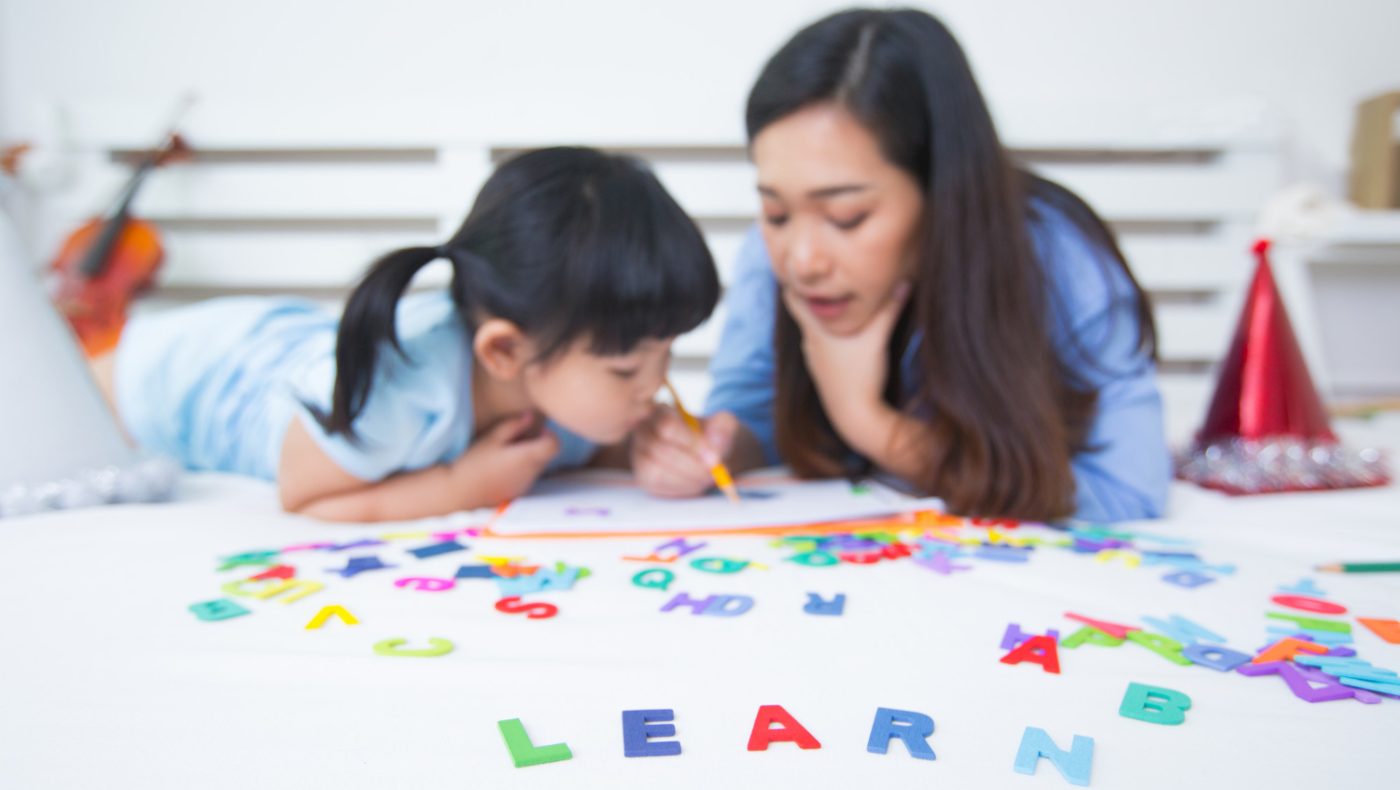
Activities That Strengthen Working Memory in Children

Working memory is like the brain’s notepad, helping us hold onto information temporarily while using it. For children, having a strong working memory is especially important because it plays a role in learning and everyday activities. Whether they’re absorbing new concepts in PSLE Maths or following instructions in a science experiment, working memory is a key player. It allows them to juggle tasks, retain details, and understand complex ideas. Without it, simply navigating daily routines can become more of a challenge.

Imagine a child trying to remember the steps needed to solve a problem in PSLE Science without getting sidetracked. Working memory helps keep everything organised in their minds, like a well-packed school bag. By strengthening this mental skill, children can improve their ability to process information more effectively. This ultimately boosts their self-confidence and performance not just in school, but in other activities as well.

Fun Memory Games

Engaging children in fun memory games can be a delightful way to bolster their working memory. These games not only entertain, but they also provide a brain workout that helps strengthen cognitive skills. For instance, memory matching cards can turn playtime into a productive session. By flipping over cards and trying to recall their locations, kids are challenged to use their memory muscles in a fun and interactive manner.

Adding twists can enhance the enjoyment and learning. For example, you can incorporate themes that interest children, such as animals or characters from their favourite stories. Simon Says is another great game that blends following instructions with memory retention. As these games evolve in complexity, they continue to challenge children without overwhelming them. Parents can play with their kids, making the experience a bonding opportunity as well as an educational one.

Games like these are easy to set up and can be played with groups of friends or one-on-one, making them versatile for different environments. Plus, they serve a dual purpose: they keep children entertained and actively engaged, all while giving their brains a healthy dose of exercise. Such activities fit well within a child’s routine, seamlessly incorporating into periods meant for both learning and play.

Interactive Learning Activities

Interactive learning activities serve as a practical route for enhancing working memory through engagement and fun. They are effective because they require children to actively participate in the learning process, empowering them to explore concepts in a hands-on manner. Puzzles, for example, compel children to focus, remember patterns, and strategize their moves, working as a low-pressure workout for their memory.

Appropriate educational apps also contribute significantly to this process. These apps often integrate gaming elements with educational content, captivating children while simultaneously challenging their memory and cognitive skills. By solving puzzles or participating in memory-based games, children encounter learning that doesn’t feel like a chore. An added bonus is how these methods help in their PSLE English, Maths, and Science studies, particularly through thematic applications in language and problem-solving.

Including activities that mix learning and fun caters to multiple areas of development. They improve memory while supporting the understanding of educational subjects. Parents can encourage activities such as DIY science experiments and building projects that naturally require children to recall sequences and follow multi-step instructions. This encourages logical thinking and reinforces concepts previously learned in a structured yet dynamic setting.

Daily Routines to Boost Memory

Integrating memory-boosting activities into your child’s daily routine can significantly enhance their cognitive abilities. These routines don’t have to be cumbersome; simple practices can effectively train memory. For instance, establishing a habit of repeating sequences can improve a child’s recall abilities. This can be as straightforward as naming the days of the week or listing planets in the solar system.

Storytelling is another routine that offers substantial cognitive benefits. Encourage children to recall and narrate short stories, perhaps one they’ve read or heard. This not only aids memory but also boosts language skills and creativity. Singing favourite songs can also serve as a memory exercise, as they involve both remembering lyrics and synchronising rhythmically. To keep things engaging, consider creating a morning or bedtime routine that incorporates one or more of these activities, slowly building them into your child’s daily life.

Creating routines that encourage interaction with the world around them can further enhance learning. For example, during a walk in the park, a child can memorise different species they encounter, or keep track of steps taken or distances travelled. This experience not only provides mental exercise but also fosters an appreciation for nature and a healthy lifestyle.

Importance of Healthy Lifestyle

A balanced lifestyle is often the backbone of effective cognitive development. Sleep, nutrition, and physical activity are key pillars that support the functioning of memory in children. Adequate sleep ensures that the brain has enough time to process and store information acquired during the day. It also helps in maintaining concentration levels when learning new things.

Nutritional balance is critical. A diet rich in fruits, vegetables, and proteins nourishes the brain, laying the groundwork for improved mental functions. Foods rich in Omega-3 fatty acids, such as fish, are known to benefit brain health. Encouraging healthy eating habits ensures a steady supply of essential nutrients required for brain growth and development.

Exercise complements cognitive development as well. Physical activity increases blood flow to the brain, promoting the release of hormones that contribute to brain growth and function. Activities like cycling, swimming, or even a playful session of catch in the backyard contribute to a healthier lifestyle while nurturing cognitive skills. Making small adjustments in diet and incorporating regular physical activities can create an environment where working memory thrives.

Tailored Brain Training Programmes

Customised brain training programmes can target areas of memory improvement in children effectively. These programmes often combine fun activities with strategic memory exercises, focusing on developing the brain’s capacity to hold and process information. By tailoring these techniques to individual needs, they become more impactful and engaging for children.

Such programmes usually assess a child’s current memory skills and adapt activities that fit their learning style. For instance, if a child learns best through visual aids, activities might include visual pattern games or picture-based memory tasks. The goal is to challenge and bolster their working memory gradually, avoiding overwhelming them.

Personalised brain training also provides an avenue to nurture a child’s strengths while addressing specific weaknesses. Being mindful of a child’s progress allows for adjustments in activities to ensure that they remain stimulating yet manageable. This tailored approach ensures that memory training is aligned with the child’s pace, encouraging improvements in their academic and everyday life.

Encouraging a Positive Mindset

Fostering a positive and stress-free environment plays a significant role in memory enhancement. Children learn better when they’re relaxed and motivated, so creating a space where they feel comfortable taking on challenges is crucial. Encouragement from family and educators can boost a child’s self-esteem, making them more receptive to learning new things.

Parents can support their children by offering praise for effort rather than success, helping to instill a growth mindset. This encourages children to view challenges as opportunities to learn rather than as obstacles. Celebrating small wins and progress builds confidence and cements the belief that improvement is as rewarding as achieving a goal.

Adults can also help by reducing unnecessary stressors and providing consistent support, guiding children gently through tasks they find difficult. With a supportive framework, children can develop resilience and determination, essential qualities for learning and memory retention. Setting realistic expectations and recognising their efforts ensure these young learners enjoy the journey of growth.

Memory-Boosting Activities: A Daily Habit

Incorporating memory-enhancing activities into a child’s daily routine can lead to notable improvements in their working memory. These activities, paired with a balanced lifestyle and supportive environment, provide a strong foundation for cognitive growth and learning success. When memory training becomes part of everyday life, its effects are more profound and lasting.

Parents and educators play a key role in making these changes part of a child’s routine. When young learners engage consistently in activities that challenge their memory, it promotes ongoing cognitive development. By embracing these activities, children not only perform better academically but also gain skills that benefit them throughout their lives.

Making memory improvement fun and engaging encourages children to appreciate the learning process. This mindset not only enhances current academic performance but also fosters a lifelong love of learning, ultimately contributing to well-rounded, confident individuals ready to take on future challenges.

Encouraging children to improve their working memory can have lasting positive effects on their learning journey. Engaging them in activities that blend fun and education is a great start. To take your child’s cognitive development to the next level, explore our programmes focused on enhancing cognitive skills. Discover the benefits of brain training with ILLAC, designed to support memory improvement through engaging and interactive learning experiences.

Techniques for Mastering Comprehension Inference Questions

Comprehension inference questions can seem like mysterious puzzles in the world of PSLE English. These questions ask students to go beyond the text and figure out the meaning behind the words. They’re like detectives in a story, where clues are hidden throughout the passage that must be pieced together. Mastering these questions not only boosts your exam score but also enhances your overall comprehension skills, which are useful across all subjects.

Understanding how to tackle these questions can give students an edge in their PSLE preparation. These types of questions encourage a deeper level of thinking and analysis than mere recall, asking students to deduce, infer, and reason like seasoned explorers of the English language.

Understanding Comprehension Inference Questions

Comprehension inference questions differ from simple factual or direct questions. Instead of asking directly for information stated in the text, inference questions require students to read between the lines. They involve making connections and interpreting hints that aren’t overtly stated but are implied within the text. For example, if a passage describes a character shivering while mentioning swirling snow, an inference question might ask why that character is cold without directly stating it.

These questions can take various forms and often involve words like infer, suggest, or imply, indicating that the answer isn’t directly in the text but rather hinted at. Recognizing these cues within the question is the first step in deducing the required response. Typically, students need to pull information from different parts of the text, making logical connections to arrive at a conclusive answer.

Not only do these skills help in exams, but they also enhance critical thinking abilities, encouraging students to think beyond the obvious. Understanding and practising these questions will prepare students to handle them effectively, building both competence and confidence.

Techniques to Improve Inference Skills

Mastering inference questions starts with sharpening certain skills. One of the most effective techniques is active reading. This involves engaging with the text by asking questions, making predictions, and summarizing sections. As you read, picture the story or information in your mind, ensuring each detail is considered. This proactive approach helps in catching not just what’s written, but what’s implied as well.

Another powerful tool is using context clues. These are hints found around unknown words or concepts that give clues to their meaning. For example, if a sentence mentions someone ‘fleeing from a ferocious storm,’ words like ‘fleeing’ and ‘ferocious’ hint at a situation that isn’t calm or safe. Recognizing such hints helps make educated guesses even when every detail isn’t directly spelled out.

It’s also helpful to watch out for question keywords that often signal inference questions. Words like infer, suggest, and imply are good indicators. These words suggest the need to go beyond the text to find an answer. Students often find it easier to deduce answers when they can connect the passages to what they already know. For instance, understanding the emotional response to events can often be inferred by linking them to personal or familiar experiences.

Practising these techniques consistently enables students to naturally integrate inference skills into their reading habits, making them automatic and effective in an exam scenario.

Practising Inference Questions

Building confidence with inference questions requires regular practice. Here are some practical exercises students can try:

  • Pick a paragraph from a book and identify two sentences that might require inference. Write down what you think they mean based on the context.
  • Read a short story and summarise it with your conclusion on what the story was truly about. See if your interpretation matches with others’.
  • During daily reading, pause occasionally and ask what the author might want you to feel or understand, even if not directly stated.

Integrating a few of these exercises into everyday reading routines enhances inference skills. Whether it’s reading a chapter from a fiction book or a news article, pausing to infer and discuss the deeper meanings with friends or family can be beneficial.

Regular practice helps solidify these skills, making them second nature during exams. By practising consistently, students develop a habit of thinking critically, which is invaluable for tackling various challenges beyond their PSLE exams.

Common Mistakes to Avoid

As students hone their inference skills, being aware of common mistakes helps avoid pitfalls. A frequent error is disregarding the context of a passage. Students sometimes jump to conclusions based on a single sentence without considering the entire paragraph or chapter, leading to misinterpretations. It’s crucial to consider the surrounding text in forming accurate inferences.

Another mistake is inferring based on assumptions rather than evidence from the text. It’s easy to let personal biases cloud judgment, leading to wrong conclusions. Ensuring that each inference is backed by specific parts of the text keeps interpretations grounded.

Avoid rushing through the text. Inference requires thoughtful consideration and patience. Skimming might miss the subtle cues essential for correct understanding.

Recognising these mistakes and adopting strategies to address them enhances accuracy, preparing students better for inference questions on the PSLE and beyond. It is an ongoing learning process that pays dividends in nuanced comprehension and critical thinking.

Achieving a strong foundation in inference skills is key to doing well in exams and understanding complex reading materials. It’s never too early to start enhancing these crucial skills. For those interested in elevating their PSLE preparation with engaging and effective learning strategies, explore the comprehensive enrichment options offered by ILLAC. You can find more information about our tailored programs that support students in reading, maths, and science by visiting the website.

Ways Preschool Enrichment Can Help Your Child

Preschool enrichment programmes can play a crucial role in a child’s early development. These programmes are designed to enhance various skills that are important for both academic and personal growth. From boosting cognitive functions to improving social skills, enrichment activities can make a significant difference in a child’s life.

Children are naturally curious and eager to learn, making the preschool years an ideal time for enrichment. By introducing structured yet fun activities, we can help children develop a love for learning. These programmes focus on various subjects, including maths, phonics, and critical thinking, providing a well-rounded educational experience.

In addition to academic benefits, preschool enrichment also nurtures emotional and social development. Activities that involve teamwork, sharing, and communication help children build strong social skills. These skills are essential for forming friendships and adapting to new environments, such as starting primary school. This article will explore the importance of preschool enrichment, highlight its top benefits, and offer guidance on choosing the right programme for your child.

The Importance of Preschool Enrichment

Preschool enrichment is an essential component of early childhood education. It goes beyond the standard curriculum, offering activities and experiences that stimulate a child’s development across various domains. These programmes aim to foster a love for learning and develop crucial skills in young children.

One key aspect of preschool enrichment is its role in cognitive development. Activities designed to stimulate the brain help children improve their memory, attention, and problem-solving skills. For example, brain training exercises and structured play can make a significant impact on a child’s ability to grasp new concepts quickly and effectively.

Social and emotional growth is another critical area that preschool enrichment addresses. Through group activities and collaborative projects, children learn important social skills such as sharing, empathy, and teamwork. These experiences build a strong foundation for forming relationships and adapting to different social environments, crucial for their future schooling years.

Furthermore, preschool enrichment programmes are tailored to meet the unique needs of each child. This personalised approach ensures that children receive the support and challenges they need to thrive. By focusing on individual strengths and areas for improvement, these programmes help children build confidence and develop a positive attitude towards learning.

Top Benefits of Enrichment Programmes for Preschoolers

Enrichment programmes offer numerous benefits that can significantly enhance a child’s early development. Here are some of the top benefits:

1. Enhanced Cognitive Skills:

Participating in enrichment activities helps children develop critical cognitive skills. Brain training exercises, such as puzzles and memory games, boost memory and concentration. These activities lay a strong foundation for future academic success by making learning more efficient.

2. Improved Social Skills:

Enrichment programmes provide opportunities for children to interact with their peers in a structured environment. Group activities teach important social skills like sharing, cooperation, and effective communication. These interactions help children feel more comfortable in social settings and build lasting friendships.

3. Language and Literacy Development:

Activities focused on phonics and storytelling enhance language skills and literacy. Engaging in these activities helps children develop vocabulary, comprehension, and communication skills. Strong language abilities are crucial for academic achievement and overall confidence.

4. Emotional and Behavioural Growth:

Enrichment programmes support the emotional development of children by teaching them how to manage their emotions and behaviours. Activities that involve role-playing and team challenges help children understand empathy and patience, which are essential for emotional intelligence.

5. Physical Development:

Many enrichment activities include physical components that promote motor skills and coordination. Activities such as dancing, outdoor play, and structured games help children develop strength, balance, and physical awareness. A healthy body supports a healthy mind, further enhancing cognitive abilities.

By offering a holistic approach to development, enrichment programmes ensure that children grow into well-rounded individuals. These benefits not only prepare children for academic success but also equip them with the skills needed for personal and social growth.

Examples of Effective Enrichment Activities

There are many effective enrichment activities that can greatly enhance a child’s learning and development. Here are some examples:

1. Phonics Classes:

Phonics classes help children understand the relationship between letters and sounds. Through fun and engaging activities like singing phonics songs or playing educational games, children can improve their reading and spelling skills. This forms a strong foundation for literacy.

2. Maths Games and Activities:

Combining maths with play makes it more enjoyable and less intimidating for children. Simple activities, such as counting objects, playing number matching games, or solving puzzles, can help children grasp basic maths concepts. These activities build confidence and interest in maths.

3. Brain Training Exercises:

Brain training activities like memory matching games, pattern recognition, and simple problem-solving tasks can boost cognitive abilities. These exercises improve memory, attention, and logical thinking. This helps children learn faster and tackle academic challenges with ease.

4. Creative Arts and Crafts:

Arts and crafts activities nurture creativity and fine motor skills. Activities like drawing, painting, and crafting help children express themselves and develop hand-eye coordination. Creative projects also teach patience and planning.

5. Physical Activities and Outdoor Play:

Physical activities like dancing, sports, and outdoor play are essential for physical development. These activities promote strength, balance, and coordination. They also help children release energy, making them more focused and attentive during learning activities.

Choosing the Right Enrichment Programme for Your Child

Selecting the right enrichment programme for your child involves considering several factors to ensure it meets their needs and interests. Here are some tips to help you make the best choice:

1. Identify Your Child’s Interests and Strengths:

Observe what your child enjoys and where their strengths lie. If they love stories and reading, phonics classes might be beneficial. If they show a keen interest in numbers, a maths-focused programme could be the best fit.

2. Look for Personalised Learning:

Every child is unique, so it’s important to choose a programme that offers personalised learning experiences. Look for programmes that tailor their activities to meet individual needs, ensuring your child gets the most out of their learning.

3. Check the Curriculum:

Review the curriculum to understand what the programme covers. Make sure it includes a variety of activities that target different areas of development, such as cognitive skills, social interaction, and physical growth.

4. Consider the Environment:

The learning environment plays a crucial role in a child’s development. Ensure the programme offers a safe, warm, and stimulating environment. The setting should encourage children to explore, play, and learn without stress.

5. Ask for Recommendations and Reviews:

Talk to other parents and read reviews to get insights into different programmes. Personal experiences can provide valuable information about the effectiveness and quality of the enrichment activities.

Conclusion

Preschool enrichment programmes are invaluable in nurturing a child’s overall development. They provide diverse activities that enhance cognitive, social, and physical skills, preparing children for their academic journey and future life challenges. By participating in enrichment activities, children develop a love for learning, build confidence, and acquire skills that set the foundation for their educational success.

If you’re looking for a holistic approach to early childhood education that combines both fun and effective learning strategies, consider exploring our ILLAC Junior Programme. Our unique blend of maths and phonics classes, along with comprehensive brain training exercises, will help your child become a confident and capable learner. Get in touch with us at ILLAC to learn more about how our programmes can benefit your child’s development. Join us in making learning an exciting and enriching experience for your little one!

The Power of Mixing Maths and Phonics

Combining maths and phonics in preschool education is a powerful approach to nurturing young minds. These two critical subjects may seem initially unrelated, but they complement each other well. Integrating them can lead to a more holistic understanding of both concepts and make learning more engaging and enjoyable for children.

This article will explore the benefits of integrating these subjects, explore practical strategies for merging them, and provide tips for incorporating this integrated learning approach into everyday activities.

Understanding the Connection Between Maths and Phonics

At first glance, math and phonics seem like distinct subjects with little overlap. However, both disciplines share fundamental principles that support each other in learning. Understanding these connections can enhance a child’s comprehensive development and make learning more cohesive.

Maths focuses on patterns, sequences, and problem-solving. These are also crucial in phonics, where key components include recognising letter patterns, understanding sound sequences, and solving language puzzles. For example, the concept of patterns in maths is directly related to recognising repeated sounds and syllables in words. This similarity helps children connect mathematical thinking with language skills.

Phonics teaches children to decode words by recognising the relationship between letters and sounds. This decoding skill can be linked to mathematical reasoning, where children learn to break down complex problems into simpler parts. Both subjects’ analysis and synthesis skills reinforce each other, making learning more intuitive.

Another connection is found in activities like counting rhymes and songs, which combine numerical and linguistic elements. These activities make it easier for children to grasp both concepts simultaneously, enriching their cognitive abilities. By exploring the overlapping principles of maths and phonics, we can create an integrated learning approach that benefits a child’s overall development.

Cognitive Benefits of Integrating Maths and Phonics

Integrating maths and phonics offers several cognitive benefits, significantly enhancing a child’s learning abilities. Here are some key advantages:

1. Improved Memory and Recall

Combining maths and phonics activities helps children strengthen their memory. They learn to remember patterns, sequences, and associations between numbers and sounds, which boosts their recall ability. This improved memory aids in both mathematical problem-solving and reading comprehension.

2. Enhanced Problem-Solving Skills

Integrated learning involves various problem-solving tasks that engage different parts of the brain. Children develop a more versatile approach to problem-solving by working on puzzles that include numbers and words. This flexibility is crucial for tackling a wide range of academic challenges.

3. Better Focus and Attention

Activities that blend maths and phonics require sustained attention and concentration. Whether it’s through counting games incorporating letter sounds or solving word problems with numerical elements, these tasks help children develop better focus. Enhanced attention is vital for academic success and overall cognitive development.

4. Increased Cognitive Flexibility

Cognitive flexibility is the ability to switch between different tasks and thinking styles. Integrated learning fosters this flexibility by requiring children to shift between numerical and linguistic tasks. This adaptability helps children approach new learning situations more effectively and confidently.

5. Strengthened Executive Functions

Executive functions include skills such as planning, organising, and executing tasks. Activities that merge maths and phonics often involve multi-step processes that enhance these executive functions. Improved organisational skills help children manage their time and resources better, providing a more efficient learning experience.

Integrating maths and phonics can create a rich, engaging learning environment that maximises these cognitive benefits. This holistic approach ensures that children develop well-rounded skills that lay a strong foundation for future academic success.

Effective Strategies to Combine Maths and Phonics

Combining maths and phonics can be seamless and enjoyable with the right strategies. Here are some effective methods to integrate these subjects:

1. Use Stories and Songs

Stories and songs that incorporate numbers and phonetic sounds can be very compelling. For example, a story that involves counting objects while using repetitive sounds helps children link numerical concepts with language. Likewise, songs that include rhyming numbers can reinforce maths and phonics skills in a fun, memorable way.

2. Interactive Games

Interactive games that mix maths and phonics engage children and make learning enjoyable. Games like “Number Bingo”, which uses cards with numbers and corresponding phonetic sounds, or “Maths and Letters Hopscotch”, where children hop on numbers and letters while solving simple problems, can be particularly beneficial.

3. Visual Aids and Manipulatives

Visual aids such as flashcards, charts, and educational apps can enhance learning by providing visual and interactive elements. Flashcards with numbers and corresponding words (e.g., “2” apples) help children make visual connections between concepts. Manipulatives like letter and number blocks can also create various engaging activities.

4. Routine Integration

Incorporating math and phonics into daily routines can reinforce learning. Activities such as setting the table (“How many plates? How do you spell plate?”) or grocery shopping (“We need 5 apples. What letter does ‘apple’ start with?”) make learning practical and applicable.

Using these strategies, we can make integrating maths and phonics efficient and enjoyable for young learners, ensuring a well-rounded educational experience.

How to Incorporate Integrated Learning in Everyday Activities

Incorporating integrated learning of maths and phonics into everyday activities can make learning continuous and fun. Here are some simple ways to achieve this:

1. Daily Chores

Turn daily chores into learning opportunities. Ask children to count while they help you with tasks such as setting the table or sorting laundry by colours and sizes. Additionally, you can introduce new vocabulary words related to the chores, helping them link numbers and words in real-life contexts.

2. Reading Time

Choose books that include counting elements or repetitive phonetic patterns during reading time. Point out numbers and words as you read together. For example, while reading a book about animals, you can count them and discuss their names, highlighting starting sounds and letters.

3. Playtime

Make playtime educational by incorporating games that require counting and word recognition. Building blocks with numbers and letters, puzzles that require matching numbers to words, and board games like “Scrabble Junior” can make learning interactive and enjoyable.

4. Outdoor Activities

Outdoor activities provide ample opportunities for integrated learning. While walking, you can count steps, identify different objects, spell out names, and discuss natural patterns. Activities like scavenger hunts with a list of items to find and count can also be engaging.

By incorporating these integrated learning activities into everyday life, we can create a seamless and enjoyable educational experience for children, enhancing their ability to grasp and retain new concepts effectively.

Conclusion

The power of mixing math and phonics lies in its ability to create a holistic and engaging learning environment for children. By understanding the natural connections between these subjects, we can help children develop their mathematical reasoning and language skills more effectively. This integrated approach has vast cognitive benefits, enhancing memory, problem-solving abilities, focus, mental flexibility, and executive functions.

Visit I Love Learning to learn more about our innovative approach to integrated learning through the ILLAC Junior programme. Let’s work together to create a fun, stress-free learning of math for kindergarten students so they can thrive and achieve their full potential.

Boost Learning: Enrichment Ideas for Preschool-Aged Kids

Preschool is a magical time in a child’s life filled with exploration, creativity, and discovery. It’s a period where young minds are incredibly receptive and eager to learn new things. Providing enriching activities during these formative years can significantly boost a child’s development, setting the stage for future academic success and personal growth.

Engaging activities do more than just keep children entertained. They help develop essential skills such as critical thinking, problem-solving, and social interaction. From creative arts and crafts to interactive storytelling, these activities stimulate cognitive and emotional growth. Plus, they make learning fun, which is crucial for fostering a lifelong love for education.

Parents and educators are always seeking new ways to enrich the preschool experience. This article will delve into some awesome preschool enrichment ideas that can be easily implemented at home or in the classroom. 

Whether it’s through hands-on science experiments or integrated games that combine maths and phonics, these activities aim to provide a well-rounded and enjoyable learning experience for young children.

Creative Arts and Crafts Activities

Arts and crafts activities are fantastic for preschool enrichment. These activities not only spark creativity but also help develop fine motor skills. Simple projects like drawing, painting, and crafting with various materials can cultivate a child’s imagination and dexterity.

1. Collage Making:

Provide children with magazines, coloured paper, glue, and scissors. They can create collages by cutting out pictures and shapes to assemble on a blank sheet. This activity enhances their ability to plan and organise while practising their cutting and pasting skills.

2. Clay Modelling:

Using clay or playdough, children can create models of animals, vehicles, or even imaginary creatures. This hands-on activity encourages sensory exploration and improves hand-eye coordination. It’s also a great way for kids to express their creativity and learn about shapes and textures.

3. Painting and Drawing:

Introduce different painting techniques using brushes, sponges, or even fingers. Watercolours, acrylics, and crayons can all offer unique experiences. Encourage children to draw scenes from their day or illustrate stories they’ve heard. These activities develop fine motor skills and allow children to experiment with colours and patterns.

Interactive Storytelling and Dramatic Play

Interactive storytelling and dramatic play are vital for developing language and social skills. These activities help children understand narratives, express emotions, and improve their communication abilities.

1. Puppet Shows:

Create simple puppets using socks or paper bags and let the children put on a show. They can adapt known stories or create their own plots. Puppet shows help children develop their storytelling skills and gain confidence in public speaking.

2. Role-Playing Games:

Set up scenarios where children can role-play various jobs or situations, like being a doctor, a chef, or a teacher. Provide props and costumes to make the play more engaging. Role-playing helps children understand different perspectives and improves their problem-solving skills.

3. Story Circles:

Gather the children in a circle and tell a story with plenty of expression and gestures. Invite them to join in by adding their own parts to the story. This collaborative storytelling can enhance their listening skills and boost their creativity. Encourage children to take turns being the storyteller to build their confidence.

These activities not only foster a love for reading and writing but also help children develop socially and emotionally. By engaging in interactive storytelling and dramatic play, children learn to collaborate, negotiate, and empathise with others, setting the foundation for strong social skills.

Hands-On Science Experiments

Hands-on science experiments are a brilliant way to introduce preschoolers to the wonders of the natural world. These activities ignite curiosity and stimulate critical thinking, allowing young learners to explore concepts in a fun and engaging manner.

1. Simple Chemistry:

One exciting activity is making a baking soda and vinegar volcano. You’ll need baking soda, vinegar, food colouring, and a small container. Have the children mix the baking soda with the colouring in the container and then add vinegar. The resulting eruption fascinates kids and provides a basic introduction to chemical reactions.

2. Plant Growing:

Planting seeds and watching them grow is another excellent science experiment. Use clear cups so children can observe the roots and shoots. Discuss the growth stages and the importance of sunlight, water, and soil. This activity teaches children about biology and the life cycle of plants.

3. Sink or Float:

Fill a basin with water and gather a variety of objects. Ask the children to predict whether each item will sink or float. Then, test their predictions. This simple experiment introduces concepts of buoyancy and density, while encouraging observation and hypothesis testing.

Maths and Phonics Integrated Games and Activities

Integrating maths and phonics into games makes learning dynamic and enjoyable. These activities support cognitive development and lay the groundwork for literacy and numeracy skills.

1. Letter and Number Hunt:

Hide letters and numbers around the classroom or at home. Provide the children with a list of what they need to find. Once all items are collected, they can arrange the letters to form words and use the numbers for simple addition or subtraction problems.

2. Counting Stories:

Read stories that include numbers and counting. Pause occasionally to ask questions like “How many apples do you see?” or “Can you count the ducks on this page?” This activity blends literacy with numeracy, reinforcing comprehension and counting skills simultaneously.

3. Phonics Bingo:

Create bingo cards with letters, blends, or simple words. Call out sounds or words, and let the children mark their cards. This game helps kids practice their phonics skills while also recognising numerical patterns on their bingo cards.

Inspiring Preschool Enrichment Activities for Curious Kids

Preschool enrichment activities are essential for fostering the overall development of young children. From creative arts and crafts to hands-on science experiments, these activities nurture a child’s cognitive, emotional, and social skills. Interactive storytelling and dramatic play enhance language and empathy, while integrated maths and phonics games build foundational academic skills in a joyful and engaging way.

At ILLAC, we understand the importance of these formative years and strive to provide a learning environment that is both educational and fun. Our programmes are designed to stimulate young minds and prepare them for a lifetime of success. By incorporating these enrichment ideas at home or in school, you can contribute significantly to your child’s growth and development.

For more exciting and educational ideas, explore our programmes at our enrichment centre in Singapore. Let’s make learning fun and meaningful for your child!

Empower Your Child with Strong Reading Skills Through Phonics Classes

Reading is among the most vital skills a child can acquire, as it serves as the foundation for success in a wide range of academic subjects and personal pursuits. Mastering the art of reading at an early age not only instills a love for learning but also has a profound impact on a child’s confidence and overall potential. As a committed tuition centre, we are passionate about equipping young learners with the tools they need to excel, which is why we proudly offer exceptional phonics classes as part of our curriculum.

Phonics is the process of learning to read by understanding the relationship between letters and sounds. It provides children with a systematic approach to decoding words, making reading both accessible and enjoyable. By fostering solid phonics skills from the outset, children are well-positioned to tackle more complex texts and boost their academic performance in both the short and long term.

In this article, we will explore the numerous benefits of phonics classes for children, delving into why it is such an effective method of reading instruction, and how it contributes to overall language development. As a trusted provider of phonics classes, we will also offer insights into our engaging and purposeful approach to teaching phonics in a fun and stress-free environment. Whether you are a parent seeking to support your child’s reading journey or simply want to gain a deeper understanding of phonics classes, we welcome you to join us as we unveil the power and lasting impact of this indispensable learning tool.

1. Unravelling the Benefits of Phonics Classes for Children

Phonics-based instruction has been lauded as a catalyst for improving reading skills among young learners. Let’s take a closer look at its numerous advantages:

a. Strong Decoding Skills: Phonics classes equip children with the ability to break words into individual sounds, fostering proficient decoding skills essential for reading fluency.

b. Vocabulary Expansion: As children gain confidence in decoding unfamiliar words, they naturally expand their vocabulary, which, in turn, enhances reading comprehension.

c. Spelling Proficiency: When children understand the relationship between letters and sounds, they can apply this knowledge to spell words more accurately.

d. Boosted Confidence: Mastery in reading and spelling fosters self-esteem and motivation, enabling children to embrace new academic challenges with confidence.

2. Our Unique Phonics Classes Curriculum: A Comprehensive Approach

Our phonics classes incorporate a holistic, multimodal approach to teaching, ensuring an engaging and effective learning experience for your child:

a. Systematic Instruction: Our lessons follow a logical progression of learning, starting with basic letter-sound relationships and gradually advancing to more complex sound patterns and word structures.

b. Multisensory Activities: We utilise a variety of visual, auditory, and kinesthetic activities to cater to diverse learning styles and enhance skill retention.

c. Engaging Lessons: Our classes blend fun, interactive components and purposeful practice to maintain students’ interest and motivation throughout the learning process.

d. Personalised Attention: We maintain small class sizes, allowing our experienced teachers to provide individualised support and feedback tailored to each child’s needs.

3. Supporting Phonics Learning at Home

In addition to enrolling your child in our phonics classes, there are numerous ways you can support their reading development at home:

a. Read Aloud: Sharing stories with your child helps develop a love for reading and exposes them to rich language patterns. Encourage your child to join in and read words they can decode.

b. Phonics-based Games: Engage your child in simple yet fun phonics games such as matching letters to sounds, blending sounds to form words, and segmenting words into individual sounds.

c. Leverage Technology: There are numerous phonics apps and online resources available that reinforce phonics skills through interactive activities, games, and animated stories.

d. Create a Reading Haven: Designate a cosy, inviting space at home for your child to read independently, nurturing a love for reading that will last a lifetime.

4. When to Begin Phonics Classes for Your Child

While each child’s reading journey is unique, there are a few indicators to help you determine when your child might be ready for structured phonics instruction:

a. Letter Recognition: Your child demonstrates basic familiarity with letters and can identify most or all lowercase and uppercase letters.

b. Phonemic Awareness: Your child recognises that words are made up of individual sounds and can identify the initial sounds in simple words.

c. Pre-reading Skills: Your child has a foundational understanding of print concepts, such as tracking words from left to right and identifying the parts of a book.

d. An Eagerness to Learn: Your child demonstrates an interest in reading and is motivated to acquire new skills.

The Lasting Impact of Phonics Classes on Your Child’s Success

Phonics classes provide children with a strong foundation in reading, setting them on a path towards academic success and paving the way for a lifelong love of learning. Our comprehensive approach to phonics instruction, coupled with supportive, engaging lessons, ensures that your child thrives in a fun, stress-free learning environment.

Unlock your child’s reading potential and set them on the path to success by enrolling them in our exceptional phonics classes. Start their journey towards mastery in reading with us today.

Cool Preschool Enrichment Activities for Better Learning

Preschool enrichment plays a crucial role in a child’s development, offering fun and engaging ways to boost their learning. It’s about providing activities that stimulate young minds and help them grasp new concepts effortlessly. From playing educational games to participating in creative arts, these activities are designed to make learning an enjoyable experience.

By incorporating enrichment activities, children are not only having fun but also developing essential skills. They improve their cognitive abilities, enhance their social skills, and build a strong foundation for future learning. Enrichment activities can range from simple crafts to interactive storytelling sessions, each designed to make learning feel like play.

Understanding the importance of preschool enrichment is the first step towards helping your child thrive. By choosing the right activities, parents can support their child’s growth in a holistic manner, ensuring they are well-prepared for the challenges of formal education. With the right mix of activities, children can develop a love for learning that will stay with them throughout their lives.

Let’s delve into some cool preschool enrichment activities that can make a significant difference in your child’s learning journey.

Understanding the Importance of Preschool Enrichment

Preschool enrichment is vital for a child’s early development. It’s more than just keeping kids occupied—these activities help shape their future learning capabilities. Enrichment activities offer an opportunity for children to explore new ideas and concepts in a fun and engaging way, which can foster a love for learning from a young age.

Developing Cognitive Skills:

Through various enrichment activities, children develop critical cognitive skills. Puzzles, for example, enhance problem-solving abilities, while storytime sessions improve listening and comprehension skills. These activities are designed to challenge young minds and promote intellectual growth.

Boosting Social Skills:

Participating in group activities helps children learn to cooperate and work as a team. Activities like group games and collaborative projects teach kids to communicate effectively, share, and take turns. These social skills are essential as they prepare for kindergarten and beyond.

Encouraging Creativity and Imagination:

Many enrichment activities encourage children to use their imagination and be creative. Art projects, music sessions, and role-playing games allow kids to express themselves in unique ways. Encouraging creativity helps children develop a sense of individuality and confidence in their abilities.

Providing structured but enjoyable enrichment activities ensures that children are not only having fun but also building the foundational skills they need for academic and personal success.

Top Enrichment Activities for Preschoolers

Finding the right activities to engage preschoolers can make a big difference in their learning journey. Here’s a look at some top enrichment activities that can provide a well-rounded development experience.

Educational Games and Puzzles:

Games and puzzles are excellent tools for teaching problem-solving, logic, and critical thinking. Activities like matching games, jigsaw puzzles, and number games can be both fun and educational. They help children learn to recognise patterns and develop fine motor skills.

Interactive Storytime:

Reading sessions where children can participate actively boost their listening and comprehension skills. Involving children in storytelling by asking them questions or letting them predict what happens next makes reading interactive and engaging. This method also enhances their vocabulary and phonics knowledge.

Creative Arts and Crafts:

Arts and crafts projects encourage creativity and improve dexterity. Simple activities like painting, drawing, and making collages can be very rewarding. These projects allow kids to express their ideas visually and develop hand-eye coordination.

Music and Movement:

Incorporating music and movement activities helps children develop rhythmic awareness and physical coordination. Singing songs, dancing, and playing musical instruments can be incredibly stimulating and enjoyable for young kids. These activities also provide an excellent outlet for energy and promote physical fitness.

Outdoor Exploration:

Outdoor activities like nature walks or playground visits expand a child’s learning environment. Exploring nature helps children understand the world around them and stimulates their curiosity. It also provides ample opportunities for physical exercise and developing observational skills.

Choosing a mix of these activities ensures a balanced approach to enrichment, catering to the diverse interests and developmental needs of preschoolers.

How to Incorporate Maths and Phonics in Daily Activities

Incorporating maths and phonics into daily activities can be fun and seamless. Here are some practical ways to blend these essential skills into everyday routines.

Counting Everyday Objects:

Counting objects found at home, like toys, fruits, or even steps climbed, is a simple way to weave maths into daily life. While doing this, introducing phonics by sounding out the names of the objects helps children learn both concepts concurrently. For example, counting apples and saying, “A is for apple.”

Interactive Reading:

Reading books that include numbers and simple maths problems can be very beneficial. Books that involve counting, like “Five Little Monkeys,” allow children to practise maths while enjoying a story. Highlighting phonics during reading sessions by pointing out and sounding out words ensures that phonics learning is reinforced alongside reading.

Daily Routine Charts:

Creating a daily routine chart with times, activities, and their respective durations can help children understand the concept of time and sequence. Using pictures and words on the chart also reinforces their phonics skills. Encouraging your child to read the activities aloud further strengthens phonetic learning.

Cooking Together:

Involving children in cooking activities where they need to measure ingredients combines practical maths with fun. Reading the recipe aloud and discussing the steps helps integrate phonics. For example, “Two cups of flour. How do we spell flour? F-L-O-U-R.”

Crafting a Balanced Enrichment Schedule

Creating a balanced enrichment schedule ensures your child receives a well-rounded development experience. Here are some key elements to consider when crafting such a schedule.

Mix of Activities:

Incorporate a variety of activities, ensuring a balance between cognitive, physical, and creative tasks. A typical week might include reading and phonics sessions, interactive maths games, creative art projects, and physical playtime. This variety keeps children engaged and addresses all areas of development.

Time Management:

Allocate appropriate amounts of time for each activity. Short, frequent activities are often more effective than long sessions for young children. For instance, 15-20 minutes of focused activity followed by a short break can help maintain their attention and interest.

Routine Flexibility:

While routine is essential, flexibility is key. Be prepared to adjust based on your child’s interests and energy levels. Some days, they might be more interested in reading, while other days they might prefer outdoor play. Listening to your child’s cues will help in crafting a schedule that is both enriching and enjoyable.

Incorporating Free Play:

Free play is crucial in a child’s development. It allows them to explore their interests and develop independence. Ensure that the schedule includes time for unstructured play, where children can choose activities that they enjoy, such as playing with toys, engaging in imaginative play, or exploring the outdoors.

Conclusion

Incorporating preschool enrichment activities into your child’s daily routine can significantly boost their learning and development. From fun games to interactive reading sessions, these activities foster a love for learning while building essential skills. By integrating maths and phonics into everyday tasks and crafting a balanced schedule, you can create a thriving environment for your little one.

At ILLAC, we believe in the power of engaging and diverse learning experiences. Our programmes are designed to enhance executive functions, helping students learn faster and better. Ready to boost your child’s learning journey? Visit ILLAC and explore our range of enrichment classes today!

Easy Brain Training Tips for Children

Helping children develop their cognitive skills is essential for their overall growth and academic success. One effective way to boost these skills is through brain training activities that are both fun and educational. These activities can be seamlessly incorporated into their daily routine, making learning enjoyable and stress-free.

This article will explore various brain training tips that are easy to implement and incredibly beneficial for children. By integrating these activities into everyday life, parents and educators can support the cognitive development of young learners in a fun and effective way.

1. Games and Puzzles to Boost Cognitive Skills

Games and puzzles are fantastic tools for enhancing children’s cognitive abilities. They challenge the brain, improve problem-solving skills, and make learning feel like play. Here are some types of games and puzzles that can effectively boost cognitive skills.

Memory Games

Memory games, such as matching pairs or recalling sequences, help improve working memory. These games require children to remember information and use it to solve problems, which strengthens their memory and concentration.

Jigsaw Puzzles

Jigsaw puzzles enhance spatial awareness and problem-solving skills. As children fit pieces together, they learn to recognise patterns and develop persistence. Puzzles with varying levels of difficulty can keep children engaged and challenged.

Strategy Games

Board games like chess and checkers encourage strategic thinking and planning ahead. These games require children to think through their moves and anticipate the consequences, improving their decision-making skills and foresight.

Word Games

Games like Scrabble or word searches are excellent for expanding vocabulary and improving spelling. These games also enhance attention to detail and encourage children to think about word structures and patterns.

Logic Puzzles

Sudoku, mazes, and brain teasers challenge children to think logically and systematically. These puzzles help develop critical thinking skills and encourage persistence when faced with challenging problems.

Incorporating these games and puzzles into a child’s routine can make a significant difference in their cognitive development. They provide a fun and engaging way for children to practise and improve essential brain functions.

2. Using Everyday Activities for Brain Development

Everyday activities offer countless opportunities for cognitive development. By tweaking common tasks and routines, you can transform them into brain-boosting exercises. Here are some simple activities that can make a big difference.

Cooking Together

Cooking involves measuring ingredients, following steps, and timing. These tasks help children practise maths skills like counting and measuring, as well as sequencing and planning. Letting the child take the lead in simple recipes can build confidence and independence.

Shopping Trips

A trip to the grocery store can turn into a learning adventure. Ask your child to help make a shopping list, count items, or read food labels. These tasks encourage both language development and numerical skills, making them fun and practical.

Household Chores

Even chores like sorting laundry or setting the table can boost brain function. Sorting laundry by colour or size promotes categorisation skills while setting the table involves counting plates, utensils, and napkins, which helps with numerical understanding and organisation.

Nature Walks

Nature walks provide a great opportunity for observational learning. Encourage your child to notice different plants, animals, or weather patterns. Asking questions like “How many birds can you spot?” or “What shapes do you see in the leaves?” engages their curiosity and observational skills.

Storytime Discussions

Reading stories is a wonderful way to develop language skills. Engaging your child in discussions about the story enhances comprehension and critical thinking. Ask questions like “What do you think will happen next?” or “Why did the character do that?” to encourage deeper thinking and understanding.

3. Interactive Storytelling and Its Benefits

Interactive storytelling is a powerful tool for brain development in children. By engaging a child’s imagination and prompting them to participate actively in the story, you can enhance their cognitive and language skills effectively.

Creativity and Imagination

Storytelling encourages children to use their creativity. When they create their own endings or predict what happens next, they are using their imagination and critical thinking skills. This process also helps them to think outside the box and come up with unique solutions to problems.

Vocabulary Building

Listening to and telling stories introduces children to a wide range of vocabulary. This exposure helps to expand their word bank and improves their understanding and use of language. Discussing the stories further deepens this understanding and encourages effective communication skills.

Comprehension and Cognitive Skills

When children are involved in storytelling, they develop better comprehension skills. They learn to understand the sequence of events, character motivations, and plot twists. This helps in enhancing their memory, attention span, and ability to follow complex narratives.

Emotional Intelligence

Interactive storytelling also helps children develop empathy by exposing them to different characters and situations. They learn to understand and share the feelings of others, which is crucial for social development and emotional regulation.

To make storytelling even more interactive, consider using props, puppets, or even acting out parts of the story. This not only makes the activity more engaging but also helps children retain information better.

4. Physical Activities That Enhance Brain Function

Physical activities are not just good for the body; they are also vital for brain health. Engaging in regular physical exercise can significantly enhance a child’s brain function, making it an essential part of brain training.

Coordination and Motor Skills

Activities such as dancing, playing catch, or even simple exercises like hopping and skipping improve coordination and motor skills. These activities require children to use their brains to control their body movements, enhancing neural pathways and brain function.

Memory and Learning

Physical exercises increase blood flow to the brain, which helps in improving memory and learning. Activities like yoga, which combine physical movement with mental focus, are particularly effective in enhancing cognitive functions.

Concentration and Focus

Sports and games that require strategy and quick decision-making, like football or basketball, improve concentration and focus. Children learn to pay attention, follow rules, and think on their feet, which are essential skills for academic success.

Stress Relief

Physical activity is a great way to relieve stress and improve overall mental well-being. When children engage in fun and energetic activities, their bodies release endorphins, which are natural mood lifters. This helps in reducing anxiety and improving emotional health.

Encouraging children to participate in various physical activities can lead to better brain health and cognitive development. It’s important to find activities they enjoy so they are motivated to keep moving and learning.

Conclusion

Helping children develop their cognitive skills through brain training doesn’t have to be complicated. By incorporating games, puzzles, interactive storytelling, and physical activities into their daily routine, you can make learning enjoyable and effective. These activities are not just beneficial for brain development but also promote a healthy, balanced lifestyle.

If you’re looking for more ways to enrich your child’s learning experience, consider exploring our preschool enrichment programmes at ILLAC. We offer a variety of courses designed to enhance cognitive and academic skills in a fun and stress-free environment. Contact us today to learn more and enrol your child in a programme that will set them up for lifelong success.

ILLAC Junior Programme: A New Way to Learn Maths and Phonics

Education for young children should be engaging and holistic. The ILLAC Junior Programme aims to achieve just that. By combining the teaching of maths and phonics, we create a well-rounded learning experience that is both fun and effective.

Children often learn best through interactive and multi-sensory activities. Our programme taps into this by integrating two fundamental subjects in a way that makes learning more cohesive and enjoyable. Phonics helps kids understand the sounds and patterns of language, while maths develops their logical and numerical skills. Teaching these subjects together supports a more comprehensive understanding of both.

The unique approach of the ILLAC Junior Programme also focuses on enhancing executive function skills. These skills, such as memory, attention, and problem-solving, play a vital role in learning and overall development. By nurturing these abilities from a young age, we help children become more confident and independent learners.

This article will delve into what makes the ILLAC Junior Programme stand out, how it effectively combines maths and phonics, the key benefits it offers, and some success stories that highlight its real-world applications. This holistic and engaging method sets children up for a successful educational journey.

What is the ILLAC Junior Programme?

The ILLAC Junior Programme is a specially designed educational initiative that blends the teaching of maths and phonics into one cohesive learning experience. It’s tailored for young children, aiming to build a strong foundation in both subjects while fostering essential cognitive skills.

This programme goes beyond traditional teaching methods by integrating executive function training into daily lessons. Executive functions like memory, attention, and problem-solving are crucial for effective learning and overall development. By emphasising these skills, the ILLAC Junior Programme ensures that children not only acquire academic knowledge but also the thinking skills needed to apply that knowledge effectively.

The ILLAC Junior Programme uses interactive, multi-sensory activities to make learning engaging and fun for children. This approach keeps kids interested and motivated, allowing them to grasp complex concepts more easily. In addition, the programme is structured to accommodate different learning styles, ensuring that each child can benefit regardless of their preferred way of learning.

Overall, the ILLAC Junior Programme stands out by offering a holistic education experience. It combines the rigour of academic learning with the benefits of executive function training, all within a nurturing and enjoyable environment. This innovative approach sets children up for success in their educational journey and beyond.

How Maths and Phonics are Taught Together

Teaching maths and phonics together in the ILLAC Junior Programme creates a seamless learning experience that benefits children in multiple ways. This integrated approach helps children make connections between different areas of knowledge, enhancing their overall understanding and retention.

Integrated Lessons:

Our programme uses thematic lessons where maths and phonics concepts are taught within a single context. For example, a lesson on animals might include counting animal figures (maths) and spelling their names (phonics). This method helps children see the relevance of what they’re learning and how different subjects interrelate.

Multi-sensory Activities:

Hands-on activities are a core part of our teaching strategy. Children might use letter tiles to spell out numbers or play games that involve both counting and reading. These activities engage multiple senses, which aids memory and understanding. Kids who are actively involved in their learning process are more likely to retain information and enjoy their education.

Story-based Learning:

Stories and narratives are another effective tool. Maths problems can be woven into a story, making them more interesting and relatable. For instance, a story about a trip to the market can include counting items and reading signs, combining both phonics and maths. This approach not only makes learning more engaging but also enhances comprehension skills as children have to understand the context to solve problems.

Collaborative Tasks:

Group activities that require children to work together also integrate maths and phonics. For example, a game where children solve puzzles involving both spelling and arithmetic encourages teamwork and reinforces the concepts being taught.

By blending maths and phonics in these interactive and engaging ways, the ILLAC Junior Programme ensures children develop a well-rounded skill set. This integrated approach not only makes learning more enjoyable but also instils a deeper understanding of both subjects.

Key Benefits of the ILLAC Junior Programme

The ILLAC Junior Programme offers several key benefits that make it an excellent choice for early childhood education. Here’s how it stands out:

Holistic Learning:

Our integrated approach ensures that children develop a balanced skill set. By teaching maths and phonics together, kids gain both numerical and language proficiency. This dual focus helps them understand how different areas of knowledge connect, making learning more meaningful.

Enhanced Cognitive Skills:

The programme emphasises the development of executive functions, such as memory, attention, and problem-solving. Activities are designed to challenge these skills in engaging ways, preparing children to handle complex tasks efficiently. This not only aids their academic performance but also equips them with tools for everyday problem-solving.

Increased Engagement:

Interactive and multi-sensory activities capture children’s interest, making learning fun. This increased engagement leads to better retention and understanding of the material. When children enjoy what they’re learning, they’re more likely to remain motivated and curious.

Improved Social Skills:

Group activities and collaborative tasks are a key part of the programme. These experiences teach children how to work well with others, share ideas, and communicate effectively. Developing these social skills early sets a strong foundation for future interactions both inside and outside the classroom.

Personalised Learning Experience:

The ILLAC Junior Programme is designed to accommodate different learning styles, ensuring that each child can benefit from the lessons. This personalised approach helps address individual strengths and areas for improvement, providing a tailored educational experience.

By focusing on these benefits, the ILLAC Junior Programme equips children with a strong start in their educational journey, ensuring they are well-prepared for future challenges.

Success Stories and Real-world Applications

The effectiveness of the ILLAC Junior Programme can be seen through numerous success stories and real-world applications. Here are a few examples that highlight how our approach has made a difference.

Emma’s Journey:

Emma, a shy kindergartener, struggled with reading and basic maths. After joining the ILLAC Junior Programme, her parents noticed a significant improvement. The integrated lessons and interactive activities helped her grasp phonics and numbers more effectively. Within months, Emma gained confidence, not just in her academic skills but in her ability to communicate with peers.

Group Project Success:

In one success story, a group of children worked on a project about garden plants. They counted seeds (maths) and labelled plant parts (phonics). This collaborative effort enhanced their understanding of both subjects. The children learned how to break down tasks, work together, and present their findings confidently. Their teacher reported a remarkable improvement in their teamwork and problem-solving skills.

Real-world Connection:

John, a lively preschooler, used to struggle with staying focused. The multi-sensory activities of the ILLAC Junior Programme engaged his senses and held his attention. Through story-based learning, he connected academic concepts to real-world scenarios. For example, a story about shopping included both reading labels and tallying prices. John became more attentive and better at managing tasks at home and in school.

These success stories illustrate how the ILLAC Junior Programme not only improves academic skills but also prepares children for practical, real-world situations. The holistic and engaging approach ensures that children gain more than just knowledge—they develop the confidence and skills to apply what they’ve learned in everyday life.

Conclusion

Combining phonics and maths in a single cohesive programme lays a strong foundation for young learners. The ILLAC Junior Programme’s unique approach ensures that children not only understand fundamental concepts but also develop essential cognitive and social skills. By focusing on holistic education, our programme prepares children for academic success and real-world challenges.

These success stories and benefits highlight the programme’s effectiveness in creating a well-rounded educational experience. From improved engagement and personal growth to real-world applications, the ILLAC Junior Programme stands out as a comprehensive solution for early childhood education.

Ready to give your child a head start in learning? Discover the ILLAC Junior Programme at ILLAC and see how our innovative approach can make a difference. Visit our website to learn more and enrol your child today!

Maximising Early Learning with Preschool Enrichment Activities

Early childhood is a vital stage for cognitive and emotional development. During these formative years, children are like sponges, ready to absorb new information and skills. Providing them with the right enrichment activities can significantly enhance their learning journey. 

Preschool enrichment activities are designed to stimulate young minds, making learning enjoyable and effective. These activities foster creativity, improve problem-solving skills, and build a strong foundation for future academic success.

At the heart of effective preschool programmes are carefully structured activities that integrate critical areas like phonics and maths. These foundational skills not only lay the groundwork for literacy and numeracy but also help develop analytical thinking and cognitive flexibility. Our approach combines these elements to ensure a holistic early education experience that caters to various learning styles and needs.

Moreover, brain training activities play a crucial role in boosting cognitive development. These exercises are aimed at enhancing executive functions such as memory, attention, and self-control. By incorporating such activities into a preschool curriculum, we can equip children with the tools they need to excel in both academic and everyday settings.

Together, these enrichment activities create a nurturing and engaging environment where young learners can thrive. Let’s delve deeper into the importance of these activities and how they can be integrated to maximise early learning.

The Importance of Preschool Enrichment Activities

Preschool enrichment activities are more than just fun and games. They play a crucial role in the early stages of a child’s cognitive and emotional development. By engaging in a variety of structured and unstructured activities, children develop essential skills that support their learning and growth.

Enrichment activities target multiple areas of development, such as language, maths, and motor skills. For example, activities like storytelling sessions, building blocks, and musical games help children enhance their vocabulary, understand basic maths concepts, and improve hand-eye coordination. 

These activities also foster creativity and critical thinking, which are vital for problem-solving. Through interactive and engaging tasks, children learn to navigate different challenges, making them more resilient and adaptable.

Moreover, these activities aid in social and emotional development. Participating in group activities teaches children how to communicate, share, and work as a team. They learn to express their emotions, understand others’ feelings, and build strong relationships. Such experiences are fundamental for developing empathy and cooperation, essential traits for thriving in a community.

Integrating Phonics and Maths in Early Learning

A strong foundation in phonics and maths is essential for a child’s academic success. Integrating these two subjects in early learning can make the educational process more engaging and effective. In our ILLAC Junior programme, we combine the teaching of phonics and maths to provide a well-rounded learning experience.

Phonics classes focus on the sounds of letters and words, which is crucial for developing reading and writing skills. By understanding phonics, children can decode words, improving their reading comprehension. Activities such as rhyming games, letter matching, and sound blending exercises make learning phonics enjoyable and interactive.

On the other hand, early maths skills involve basic concepts like counting, recognising shapes, and understanding patterns. Incorporating maths into phonics lessons can be done through counting letters in words, identifying shapes in written characters, and solving basic problems related to stories. Using games and practical examples helps children grasp these concepts more effectively.

Combining phonics and maths not only enriches the learning experience but also reinforces the connection between different subjects. This integrated approach ensures that children develop a comprehensive understanding of language and numerical skills, setting a strong foundation for future academic achievement.

By making learning both fun and informative, we can help children develop a love for these subjects early on, encouraging a lifelong passion for learning.

Brain Training Activities to Boost Cognitive Development

Brain training activities are designed to enhance cognitive functions such as memory, attention, and problem-solving. These activities are crucial in developing a child’s ability to learn, adapt, and perform tasks more efficiently. Here are some excellent brain training exercises that can be incorporated into a preschool curriculum:

  • Memory Games: Simple memory games like matching cards or remembering sequences can significantly boost a child’s working memory. These games require children to hold information in their minds and recall it, which strengthens their memory skills over time.
  • Puzzles and Mazes: Solving puzzles and navigating mazes help in developing problem-solving abilities and cognitive flexibility. These activities encourage children to think critically and adapt their strategies to find solutions.
  • Attention-Boosting Activities: Exercises that require focus, such as “Simon Says” or “Red Light, Green Light,” help children improve their attention span. By engaging in these tasks, children learn to concentrate on given instructions and control their impulses.
  • Mindfulness Practices: Simple mindfulness exercises, like deep breathing or guided imagery, teach children to focus their attention and develop self-control. These practices help children manage stress and enhance their overall mental well-being.

Incorporating these brain training activities into daily routines can significantly improve children’s cognitive abilities. As a result, they become more capable learners, ready to tackle academic challenges with confidence.

How to Choose the Right Enrichment Programme for Your Child

Choosing the right enrichment programme for your child can be a daunting task. With so many options available, it’s essential to consider a few key factors to ensure you select a programme that best meets your child’s needs and interests. Here are some tips to guide you:

  • Identify Your Child’s Interests and Strengths: Observe your child’s interests and strengths. Whether they have a keen interest in reading, maths, or creative activities, understanding their preferences can help you choose a programme that will keep them engaged and motivated.
  • Check the Curriculum: Look for programmes that offer a balanced curriculum focusing on essential skills like phonics, maths, and cognitive development. Ensure the activities are designed to enhance executive functions and support overall learning and growth.
  • Consider the Learning Environment: A supportive and nurturing environment is crucial for effective learning. Visit the programme centres, meet with the instructors, and observe the activities to ensure the setting is conducive to your child’s learning style.
  • Seek Recommendations and Reviews: Speak to other parents, read reviews, and gather feedback about different programmes. Personal experiences and testimonials can provide valuable insights into the effectiveness of a programme.

By carefully evaluating these factors, you can choose an enrichment programme that aligns with your child’s development needs and helps them thrive.

Conclusion

Preschool enrichment activities are vital for the holistic development of young learners. They help build essential skills and lay a strong foundation for future academic success. By integrating phonics and maths, engaging in brain training activities, and carefully selecting the right enrichment programme, we can maximise early learning and give children the tools they need to excel.

Our approach at ILLAC focuses on creating a fun, supportive, and enriching environment that enhances children’s learning abilities. If you want to learn more about how preschool enrichment in Singapore can benefit your child, contact us today. Let’s work together to make early education a joyous and effective journey for your little ones!

Contact Us

enquiry@ilovelearning.com.sg
(65) 9711 8963
Jurong East Branch 2 Venture Drive #06-15 Vision Exchange Singapore 608526
Clementi Branch Blk 612 Clementi West St 1 #01-292 Singapore 120612
Woodlands Branch Blk 306 Woodlands St 31 #02-35
Singapore 730306

© 2025 – I Love Learning. All Rights Reserved. Website Design By Advergreen Digital