
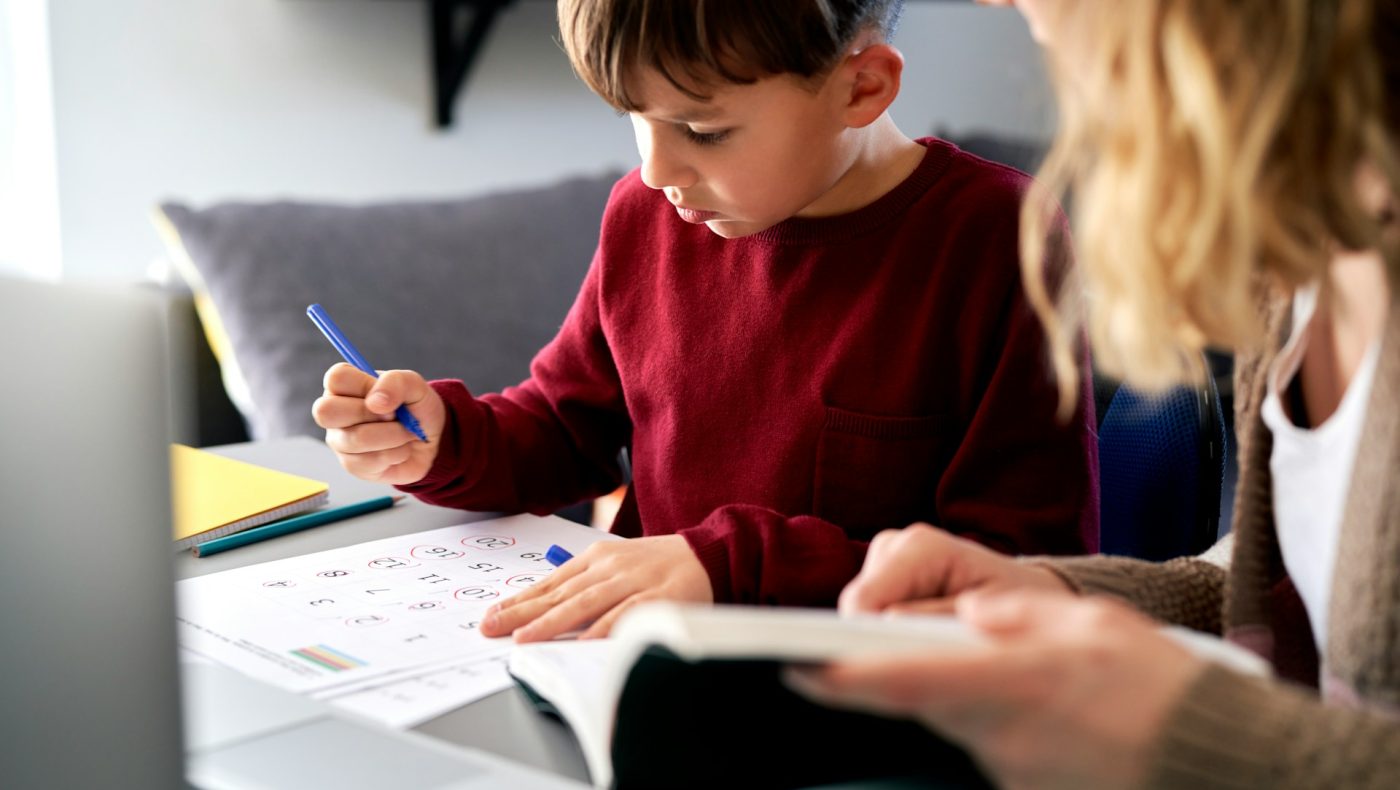
Lots of parents in Singapore want a strong start for their little ones, so they begin with maths for kindergarten. It seems like a good plan. Counting, number writing and basic shapes all seem like useful building blocks. And they are, no doubt about it. But when we focus only on numbers, we might miss out on other ways our children learn and grow.
Many of the skills young children need before Primary 1 go beyond maths. Things like memory, focus, thinking clearly, and even using language all play a role in solving problems confidently. Let’s talk about why a mix of learning styles can work better for long-term growth.
Why Maths Alone Can’t Do It All
Maths is a great place to start. Kids learn to recognise numbers, count in order, and spot patterns. They may even understand shapes, sizes, and simple measurements like comparing “more” and “less.” These are great building blocks for early learning.
But early maths lessons often stay on the surface. They do not always help children think through tricky problems or explain their ideas. To really understand maths, children need more than counting. They need to make sense of ideas, remember steps, and stay focused long enough to solve a task.
Those are thinking skills, and they are just as important as knowing amounts or spotting patterns. A child might know that 2 plus 2 equals 4, but without memory or clear language, they may struggle to explain how they know it. If we focus only on numbers, we miss chances to help children build these parts of the learning puzzle.
Parents sometimes notice that when their child faces a new maths problem, they freeze or guess instead of trying to break it down. This happens because just knowing numbers is not enough. Children also need to learn how to approach a challenge, ask questions, and try different ways until they find a solution that works for them. That ability grows from mixing number skills with a wider set of skills.
The Power of Blended Learning at an Early Age
One way to support full learning is by mixing subjects. When we teach maths together with phonics, children learn to connect different ideas. They see numbers, letters and sounds as parts of the same world, not separate tasks. This makes learning feel more natural and sink in more deeply.
For example, our preschool classes introduce children to both letters and numbers, helping build a stronger foundation for later learning. During a shared story time, children might count pictures on a page, then sound out the words in the story. They are building maths and reading skills without needing to switch from one lesson to another. That kind of learning builds both sides of their brain, helping them process information in more than one way.
When we give children ways to connect ideas, they start to feel more capable. They use more tools to solve problems and are not scared of getting it wrong. This kind of early confidence sets them up for Primary 1 and beyond.
Parents often ask how they can blend learning at home. Simple activities like singing number songs, playing matching games with letter and number cards, or sorting toys by shape and colour while naming them out loud all help. These everyday experiences show children that maths is connected to language and the world around them.
In the classroom, blended learning also fosters social development. When children work together on group activities that cross subjects, they practise teamwork, sharing, and communicating. These skills are just as valuable as academic learning and will play a big part in their future success in school.
How Executive Function Skills Make a Big Difference
Some parts of learning do not show up on a worksheet, but they matter a lot. These include things like:
- Working memory – holding a number in your head long enough to use it
- Cognitive flexibility – switching from one idea to another without getting stuck
- Focus and self-control – staying on task, even when something is tricky
These executive function skills help children plan, stay calm and find different ways to solve problems. We build these skills through more than drill. Structured play, open-ended questions, and guided group activities can all grow a child’s mental flexibility and attention.
When these brain skills are strong, children do better not just in maths, but in all their school subjects. They remember longer steps in science, stick with reading even when it’s hard, and make sense of big ideas more quickly. It is like giving them the tools to become better learners, no matter what they are learning.
The development of these executive function skills often starts before children can even read or do sums. By learning to wait their turn, remember a simple set of steps in a game, or try something a new way, they are building habits that prepare them for bigger challenges later on. Teachers and parents can encourage this growth by giving children time to solve small problems on their own before stepping in to help.
Children who practise these skills in a safe, playful setting are more willing to take risks and try new solutions as they move up in school. They also learn that it is okay to make mistakes, as long as they keep trying. This positive mindset can make a big difference in how they feel about learning as they grow older.
Preparing for Primary School with a Broader Base
Starting formal school is a big step. Having a wider set of skills can make this move feel smoother and less stressful. Children who have practised more than just basic counting come in with confidence. They have already worked with words, solved mini-problems, and thought through everyday challenges.
This broader mix helps them settle more easily into classroom routines. Instead of needing to learn new habits while learning new content, they have already had some practice. Things feel more familiar, which means they can focus on the learning.
When we think long term, especially about the PSLE years, it is helpful to build strong learning habits early. Listening well, recalling steps, taking on tasks with a plan, all of these start long before Primary 5. A combination of subjects and brain-skills training gives children a base they will use again and again over the years.
A child who has built up language, memory, and problem-solving skills early on is usually more at ease during lessons that ask them to reflect, explain, or recall several steps in order. This advantage carries forward throughout primary school and beyond. Teachers can then build on this strong base, knowing that their students are ready for both the content and the challenge.
Giving Your Child a Head Start That Lasts
Starting with maths for kindergarten is a helpful first step. But by focusing only on numbers, we may miss early chances to build deeper thinking, flexible memory and thinking stamina. That is why we believe early learning works better when it includes more than maths.
ILLAC’s preschool enrichment programme in Singapore is designed to help children build a strong foundation in both language and numeracy through enjoyable play-based lessons and activities. Combining numbers with letters, language and brain skills helps children grow into better thinkers and more confident learners. With that mix, they are not just school-ready, they are ready to take in new ideas faster, remember more, and bring curious questions into every lesson that comes next.
At ILLAC, we believe early learning should offer variety, nurturing thinking, memory, and language skills alongside numbers. Our balanced approach builds your child’s confidence before Primary 1, offering support beyond basic maths for kindergarten by helping young learners connect ideas and develop flexible thinking. We can support your child’s learning during these important early years.