
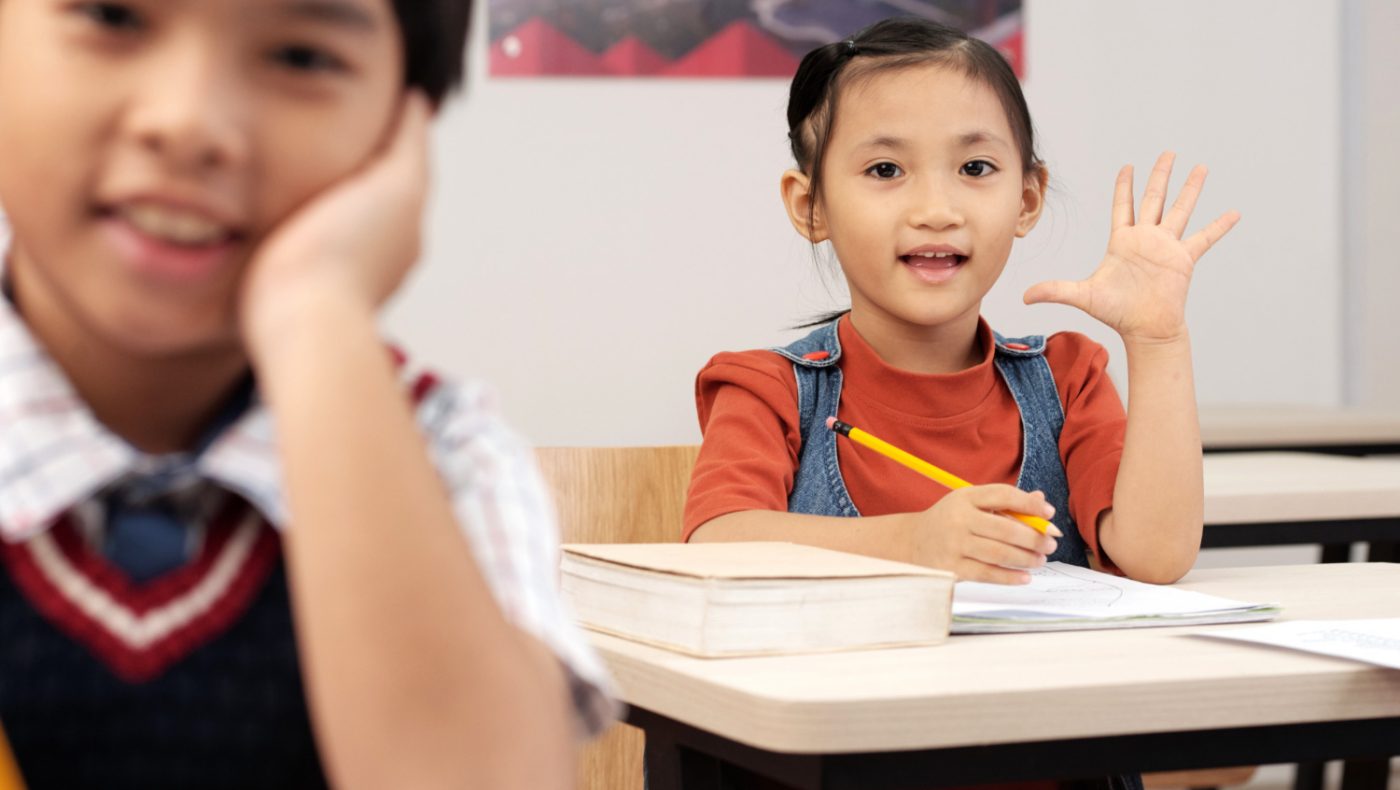
PSLE preparation can feel like a massive task for many kids in Singapore, especially after the year-end break. The start of a new school term brings a quick shift in gear, jumping straight into revision for a high-pressure exam. For most Primary 6 students, this is the first big test that is seen as important for their future, and that can make it feel extra stressful.
There is pressure coming from school, expectations at home, and even comparisons with friends. Kids are trying to keep up in English, maths, and science all at the same time, which is not easy for everyone. Each subject asks for different ways of thinking and different skills, and not every child learns in the same way. When routines suddenly pick up speed and revision takes over everything, it is no surprise some children start to feel overwhelmed. Here is why that pressure builds up and what could help ease it.
Understanding the Pressure Around PSLE at Home and School
For many families, PSLE is a major milestone. Parents naturally want their children to do well, and that care sometimes turns into more reminders, more assessment books, and more worry. Even gentle encouragement can feel like added pressure when kids are already feeling the weight of the exam.
At school, the approach ramps up quickly. Some topics are covered in a rush, and revision classes often expect children to keep pace or fall behind. That kind of speed does not give much space for questions or deeper thinking.
On top of this, talk about “getting into the right school” adds another load. Children hear adults saying things like “This exam will affect your future,” which makes it feel like there is no room for mistakes. For a student who is still learning how to manage stress, it all builds up fast.
- At home: Encouragement can feel like pressure when repeated too often
- In school: Fast revision might skip over the tools children really need
- Around friends: Constant talk about grades and schools adds more stress
When Learning Styles Don’t Match Standard Revision Methods
Most PSLE preparation often looks the same: past papers, repeated drills, worksheets, and timed tests. While that might work for some children, it does not suit everyone. Some students learn best when they can move, see pictures, or talk things through. Others understand better by making connections between topics instead of memorising them.
So when the method used does not match how a child learns, tension builds. A strong English student might get stuck in science revision because they need more support with the concepts, not more mock tests. A maths learner who understands best through hands-on examples might struggle when only taught through notes.
- Not all learners respond to standard revision
- Using just one way of teaching leaves many children behind
- Confusion and stress grow when understanding does not improve
When a child is doing their best but still feels like they are not getting anywhere, it does not take long for confidence to shrink. Some begin to believe they are just “bad” at a subject, when in reality, they may simply need a different way of learning it.
The Role of Time and Energy in PSLE Stress
By the time kids reach P6, their school day is already packed. After that, there is homework, extra lessons, and for many, tuition too. Add revision into that and suddenly, a young student’s whole day is filled with learning, leaving little time for rest or play.
We put a lot of focus on how much they can study, but not enough on how much energy they actually have left. A tired brain cannot absorb new information well, no matter how many hours are spent on revision.
As the weeks go by, burnout creeps in. Subjects they once liked might feel like hard work now. Even the idea of picking up their books after school can start to feel heavy.
- PSLE preparation often takes over a child’s daily routine
- Less rest means lower focus, slower thinking, and rising stress
- Without regular breaks, learning loses its joy
The problem is not that kids are not trying. Often, they are trying very hard. But without a balance, their effort turns into frustration. Every child needs time to step back and recharge without feeling like they are falling behind.
Why Executive Function Matters More Than Just More Practice
We often focus so much on subject knowledge during PSLE prep, we miss something else just as important: how kids learn. These are skills like paying attention, staying organised, remembering what they revised last week, and planning how to start a paper.
All these are part of what is called executive function, and they play a big role in how children manage learning. A child who understands the topic but forgets steps in maths or gets distracted during a science question might not be short on knowledge, they might just need time to build these inner skills.
Some students have not fully developed these abilities yet. That does not mean they are lazy or not trying. It just means they need more support with learning how to focus, how to process instructions, and how to manage stress.
- Executive function affects focus, memory, and task planning
- Not all students have these skills at the same level
- Practising papers over and over is not helpful if these gaps are not filled first
Helping kids build stronger learning habits often does more than endless revision. When students have those tools, they learn better and feel more in control too.
Building Confidence and a Positive Learning Environment
Creating a fun and stress-free learning experience makes a significant difference for children facing PSLE challenges. Our teaching methods are based on proven brain science, helping children develop cognitive skills and resilience. By offering supportive and enjoyable enrichment programmes, we address both academic content and the way children manage pressure and self-doubt.
Many students benefit from our unique combination of interactive lessons, regular encouragement, and personalised strategies that build confidence. Such environments help children feel safe to ask questions, reduce anxiety about tests, and motivate them to keep trying even when a topic feels tough.
Supporting Your Child: The ILLAC Approach
For many families in Singapore, PSLE preparation becomes a central focus during Primary 6. But what often gets missed is how it makes children feel. Behind the worksheets and practice tests, many students are carrying the weight of pressure, tiredness, and self-doubt.
It is not just about what they are learning, it is about how much they are expected to hold all at once. Managing English, maths, and science is hard enough, but mix in emotions, worries about results, and different learning needs, and the load becomes much heavier.
The good news is that when we pay attention to those signs early on, support can come in the right form. A quiet talk, a pause in the day, or a different way of learning can help a child feel understood. When they know they are not alone, they stand a better chance of enjoying their learning again, even through PSLE season.
At ILLAC, we understand how overwhelming PSLE year can become for children, with each student having their own unique learning style. Sometimes they need more than just practice, they need support that suits them best. Our programmes are made to help children overcome challenges and gain confidence. Find out about how we support children in their PSLE preparation. We are here to answer your questions and talk about how we can help your child thrive.