
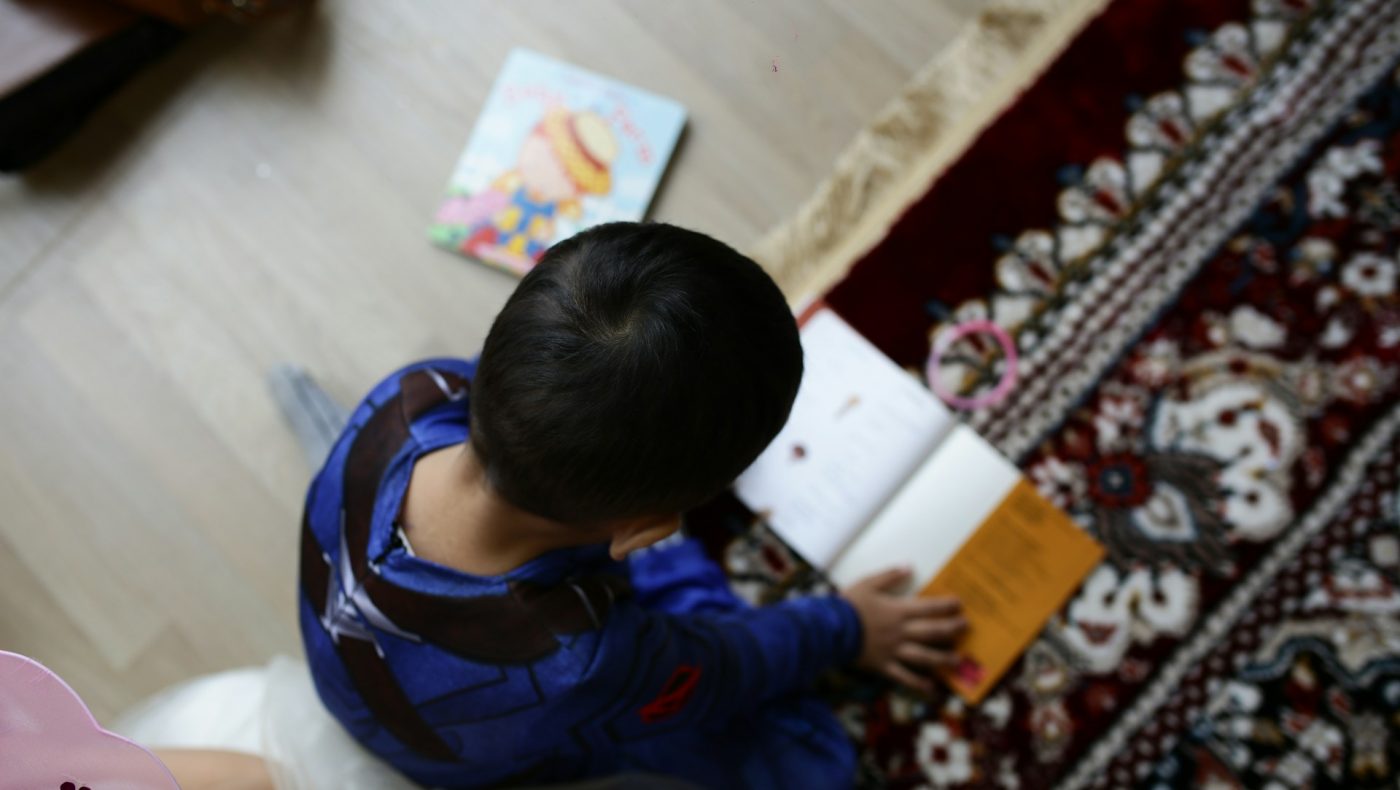
When children are just starting to read, the way they learn really matters. Reading with confidence does not happen overnight. It grows step by step, and phonics is often where it starts. Phonics helps children match letters to sounds, spot word patterns, and slowly build the courage to try new words without fear of being wrong. That small boost of confidence makes a big impact over time.
For many families, phonics tuition in Singapore gives children a space to practise reading in a way that feels safe and calm. Before schoolwork speeds up or the pressure of primary-level English sets in, early phonics support can help children feel ready, not rushed. It is not just about being able to read, but wanting to. Confidence makes the difference between staring at a book and actually enjoying what is inside.
Why Confidence Matters in Early Reading
Some children take to reading quite easily, but many feel unsure at the start. That nervousness can show up in many ways. A child might mumble through a sentence, skip tricky words, or pretend they are not paying attention. More often than not, they are not lazy or bored. They are just not confident yet.
- Confidence helps children feel brave enough to try
- When they believe they can do it, they stop avoiding harder words
- Each success, even a small one, builds trust in themselves
Enjoying reading is not only about loving books. It is about feeling good when reading, especially out loud. Children who feel sure of themselves are quicker to speak up in class and explore books on their own. The earlier that confidence shows up, the easier everything else becomes.
How Phonics Helps Children Decode Words More Easily
Phonics gives children the tools to figure out words without needing someone to tell them. Instead of guessing a word they do not know, they learn how to break it into sounds. It is like putting together puzzle pieces.
- “Cat” becomes /c/ /a/ /t/, a simple mix of sounds
- “Shop” teaches that “sh” makes a different sound together
- Over time, children begin to spot word patterns in longer words too
When they learn to blend sounds and match them with letters, new words do not feel so scary. They start to apply these patterns to other words, building independence along the way. When we reduce the guessing, we make reading feel easier. That is when readers stop second-guessing themselves and focus on what the story is actually saying.
The Role of Guided Practice in Tuition Settings
At home, it is hard to know how much help is too much. Do you correct every mistake? Should your child read the word again or keep going? This is where structured support makes a clear difference. Guided reading builds trust and gives children the space to practise in a way that helps, not rushes, their skills.
- Tutors break down new sounds step by step
- Sessions move at the child’s pace, with time to repeat tricky parts
- Feedback is gentle and clear, helping the child adjust and try again
This type of steady, familiar practice leads to better focus. It trains the brain to listen, think and read more carefully. When children feel supported, they are more likely to ask questions and reflect, not just rush through the pages.
Why Phonics Tuition in Singapore Fits into Local Learning Goals
Children in Singapore move quickly from learning basic reading to handling English comprehension exams like the PSLE. That jump can feel big if the foundation is not strong. With extra support in phonics, especially during the lower primary years, children get an early boost in both skill and self-belief.
At ILLAC, our phonics lessons are rooted in tried-and-tested techniques that have benefitted many young learners. The curriculum is designed to support both blending and segmenting skills, key areas for fluent reading. By combining reading, listening, and speaking activities, we ensure our students enjoy the process while building a solid base for English learning.
Families are often juggling school, activities and everything in between. Having regular touchpoints where children can work on spoken and written language, without pressure, helps balance things out. Early confidence from phonics lessons does not just pay off during English lessons. It prepares children for subjects like science, where they need to read carefully and follow instructions accurately.
From Sounding Out to Reading with Understanding
At first, phonics is all about sounding out words. But before long, it leads to more. Readers start to connect the dots between what they are saying and what those words mean. They begin to notice small details, ask questions, and express how a sentence feels, not just how it sounds.
This is where true reading confidence starts showing up in other lessons too. In science, readers need to spot key terms to answer correctly. In maths, word problems become easier when they can hold ideas in their head while solving. Reading is not just a subject on its own. It supports everything else.
Growing Lifelong Readers, One Step at a Time
Phonics teaches more than sounds and letters. It teaches children how to stick with something, even when it is hard. Each step, from saying a new sound to reading a book without help, builds a bit more confidence. Over time, these small wins become habits.
Confident readers often become confident learners. They are more willing to ask questions, write their own thoughts, and keep trying when things get tricky. Phonics gives them a way in, and with the right kind of support, that first step leads to much more than learning how to read, it helps them love it too.
At ILLAC, we make reading support calm, steady, and adapted to your child’s pace during those all-important early years. Children who feel relaxed and understood find it easier to discover new words, express themselves, and truly enjoy learning. For patient, step-by-step help, our phonics tuition in Singapore is set up to boost both skills and confidence. Whether your child is mastering sounds or starting to read sentences, we are here to guide them every step of the way. Contact us to learn how your child can begin their reading journey.