
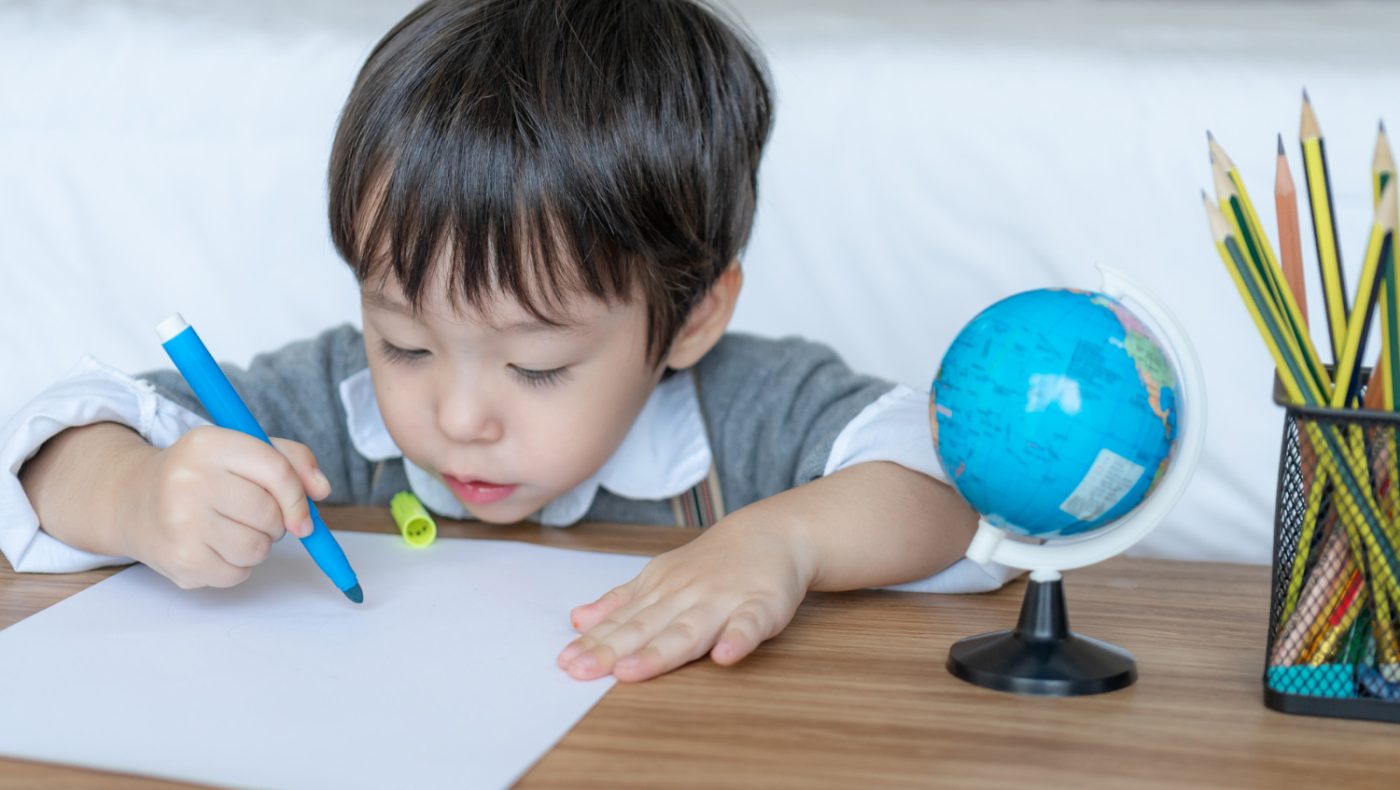
The earliest years of a child’s life are filled with discovery, play, and rapid growth. During this time, children not only grow physically but also start building the mental skills they’ll need for the rest of their lives. One of the most important areas of growth is in their executive functions — the mental tools that help with memory, self-control, task management, and decision-making. These skills don’t come overnight. They develop gradually, shaped by the people, activities, and environments children are exposed to.
Structured activities that support executive function development can make a big difference, especially when they’re presented in ways that are hands-on, playful, and part of regular routines. Whether it’s remembering the rules of a game, following instructions, or working through everyday problems, early learning activities give children the chance to grow these skills without relying on classroom drills or worksheets. This approach brings in both fun and structure, which, together, build a strong foundation for future learning success.
Understanding Executive Functions
Executive functions refer to the mental processes that help us plan, focus, remember instructions, and juggle multiple tasks. For young children, these skills are still very much in development. You can think of them as the brain’s air traffic control system, helping kids manage their thoughts, actions, and emotions, especially when situations become more complex.
In early childhood, building executive functions is less about getting children to sit still and more about guiding them through activities that challenge them in age-appropriate ways. Core areas include:
- Working memory, which helps them hold bits of information long enough to use it. For example, remembering the steps to brush their teeth or rules of a game.
- Inhibitory control, which is about self-control and the ability to stop one action in favour of another. This helps with waiting for a turn or resisting a strong urge to grab a toy.
- Cognitive flexibility, which involves shifting attention and seeing things from different angles. If a puzzle piece doesn’t fit, for instance, a flexible thinker will try another spot instead of giving up.
These functions come into play across all areas of a child’s daily life, from problem-solving while playing, to managing transitions between activities, to interacting with others. When developed through positive, structured engagements, executive functions support school readiness, learning independence, and social skills. For example, a child who can follow two-step instructions, wait patiently, and think through what to do next will be better prepared for the kinds of demands found in early learning settings.
By giving attention to this area of development early on, parents and caregivers can help reduce future frustration for children, whether that’s in learning new subjects or managing their daily responsibilities. The good news is that there are many ways to support these skills with simple, engaging activities at home.
Engaging Activities to Develop Executive Functions
Children are naturally curious, so the best way to help them build executive functions is by making these skills part of everyday play. The goal isn’t to force structured lessons but to weave useful skills into fun games and experiences that kids will actually enjoy coming back to. Here are a few different ideas to try.
1. Memory Games
- Games like Matching Cards or What’s Missing? challenge children to recall pictures, sequences, or objects. This strengthens working memory in a playful setting.
- Try a version of Simon Says but with growing steps. Begin with “Simon says touch your nose” and work up to “Simon says touch your nose, then clap twice, then jump.” It’s light-hearted but sharpens their memory and listening skills.
2. Role-Playing and Imaginative Play
- Imaginative play helps children practise planning and flexibility. Whether they’re pretending to be chefs, teachers, or astronauts, they’re learning how to stick to roles, create storylines, and shift focus as the game changes.
- Even simple set-ups like playing clinic at home can encourage planning. For example: “We’ll need a doctor, a patient, and tools.” It also builds empathy as children think through others’ perspectives.
3. Problem-Solving Puzzles
- Jigsaw puzzles, matching blocks, or arranging objects by category all encourage children to think critically and adjust their approach when things don’t go as expected.
- You can also use household items. Give them a handful of buttons or bottle caps and ask: “Can you sort these by colour? Now by size?” This encourages categorisation and shifting perspectives.
By introducing these kinds of games a little at a time, you create small learning moments that build across days and weeks. They’re enjoyable, require no fancy tools, and most importantly, give kids the chance to practise thinking flexibly, managing attention, and solving problems in ways that feel natural.
Interactive Storytelling and Listening Games
Storytelling creates a perfect space for children to stretch their imagination while practising thinking, focus, and communication. Stories offer chances to explore emotions, recall key details, and even predict what might happen next. When you pause in the middle of a story and ask, “What do you think will happen?” you invite your child to consider possibilities and explain their thinking. That encourages cognitive flexibility, comprehension, and planning all at once.
Listening games during storytime can also sharpen attention span. Try saying: “Every time you hear the word ‘dragon’, touch your elbow.” This simple task keeps them actively listening and boosts memory and control. You can adjust the complexity depending on age. Older preschoolers might do well with two actions for two trigger words. These little challenges help children practise switching attention on command, something important for success in many learning tasks later on.
Stories also work well for helping children manage emotions. If a character in the book feels scared or disappointed, take a moment to ask how the story character manages those feelings. It helps kids build self-regulation by watching others handle emotional moments. You can make interactive storytelling part of your evening routine. It becomes a time for calm connection and focused reflection, no screens needed.
Mindfulness and Focused Attention
Building attention skills doesn’t have to mean sitting still for long stretches. Shorter, focused tasks done regularly often do the job better. Mindfulness exercises are a great fit for preschoolers when kept light and playful. A simple example is the listening bell. Ask your child to close their eyes while you ring a bell, and they raise their hand when the sound stops. It’s a fun, quiet way to train both hearing and focus, all without needing to explain what mindfulness is.
You can also guide deep breathing using soft toys. Place a soft toy on their belly while they lie down and tell them to watch it rise and fall as they breathe in and out. Breathing slowly while paying attention to something visible helps younger children manage excitement or restlessness, which supports self-regulation.
Some parents use quiet missions to train focus. Tell your child, “Try to stay as quiet as you can while drawing until I finish folding all the laundry.” Coupling an activity they enjoy with a specific goal keeps things light but structured. The goal isn’t perfection. What matters is the practice, giving them regular chances to stay focused while occupied in calm, enjoyable tasks.
Making These Habits Part of Daily Life
Children respond best when learning fits smoothly into their usual rhythms. The more that executive function activities become part of everyday moments, the more comfortable and automatic these skills become. You don’t need long sessions or lots of materials. Small, steady steps make a big impact over time.
Think about adding a memory game during breakfast or turning clean-up time into a follow-the-instructions game. When heading out the door, pause and ask: “What three things do we need before we go?” and let your child recall the steps. At bedtime, they can help plan what they’ll wear or eat the next day. This supports both decision-making and planning.
Here are a few simple ways to fit these activities into your routine:
- During playtime, take turns leading a game. This strengthens control and shared attention.
- While walking outside, do a “find five blue things” game to build focus.
- Ask “Why do you think that happened?” after a story or video. It helps with reasoning and flexibility.
- Use snack time to sort their food by colour or size before eating. It adds a quick thinking task before enjoyment.
- Let them take charge of small tasks, like choosing between two shirts or helping set the table. This encourages planning and sequencing.
Building these habits around daily events helps reinforce learning in a natural way. When adults make time for these short moments, children get more chances to grow their executive functions meaningfully.
Preschool Enrichment in Singapore
In Singapore, preschoolers often take part in enrichment classes designed to give them more than just academic exposure. While foundational subjects like phonics and number sense are still key, there’s increasing attention on nurturing social-emotional learning and thinking skills too. This is where programmes that build executive functions make a noticeable difference.
Enrichment activities structured around age-appropriate play, discussion, and exploration allow students to practise focus, memory, and flexible thinking without the stress of formal lessons. Rather than sitting at desks for long blocks, children actively participate in tasks that tap into planning, teamwork, and communication. This prepares them to handle more structured learning later on, especially in key subjects like English, Maths, and Science.
A strong focus on executive function also creates a bridge between learning support and school readiness. Singapore parents often look beyond the ABCs and 123s, wanting their children to build resilience, self-control, and confidence at an early age. Enrichment classes that do this well provide children with tools that support faster learning and smoother transitions as they grow.
Skills That Stick for Years to Come
Helping children build strong executive functions early doesn’t need to involve serious lessons or long hours. What matters more is having regular experiences that stretch their thinking and give them space to make decisions, practise self-control, and solve problems. When children develop these skills through natural interactions, they’re more likely to stick. And they start building the inner habits that support lifelong learning.
Whether your child is just beginning preschool or already adjusting to early learning expectations, engaging with them through creative play, structured games, and focused routines supports their mental growth in ways that textbooks can’t. These early activities form the foundation for complex thinking later, especially in areas like PSLE English, Maths, and Science. When children can stay on task, switch gears when needed, and think flexibly, they’re better equipped to handle the demands of academic work and everyday challenges.
By focusing on this area of development, parents give their children more than just early knowledge. They provide lasting tools that strengthen communication, reasoning, and planning from the start. These are skills that will support them long after preschool ends.
To give your child a head start in building early learning skills, consider enrolling them in a programme that supports both creativity and cognitive growth. Our preschool enrichment in Singapore encourages the development of executive functions through fun, guided activities. At ILLAC, we help young learners grow with structured tools that make learning feel natural and enjoyable.