
child writing

Fixing Common Grammar Mistakes in PSLE English Papers

Good grammar skills are more than just about getting high marks in exams; they form a cornerstone of effective communication and understanding. In the context of the PSLE English papers, mastering grammar can significantly impact a student’s performance.

It might seem like a small piece of the puzzle, but grammar plays a big role in helping students express ideas clearly and accurately. When grammar is misused or overlooked, it can lead to misunderstandings that affect the overall clarity of a student’s writing. This makes it essential for students to be aware and mindful of their grammar usage during the exam.

For those sitting PSLE English in Singapore, recognising and fixing grammar mistakes can feel a bit like trying to find hidden treasures. It’s all about spotting what needs improvement and knowing how to make it better.

Fortunately, with a solution-focused approach, students can learn to identify and correct these mistakes efficiently. By honing their grammar skills, they not only boost their exam results but also enhance their confidence in using English, both in school and beyond.

Common Grammar Mistakes in PSLE English

Let’s look at some common grammar mistakes that students often make when tackling PSLE English papers. Understanding these errors is the first step in preventing them.

1. Subject-Verb Agreement: This is where the subject of the sentence and the verb must agree in number. For instance, saying “He walk to school every day” is incorrect because the verb should match the singular subject as “He walks to school every day.”

2. Tense Confusion: Students frequently struggle to keep their tenses consistent. Switching from past to present tense within the same paragraph can confuse the reader. It’s best to decide on one tense and stick to it throughout.

3. Misuse of Prepositions: Prepositions like “in,” “on,” and “at” can confuse students. An example might be saying “at the bus” instead of “on the bus.” It’s little things like this that can trip students up if they’re not careful.

Addressing these errors early can help students improve clarity and accuracy in their writing. Being aware of these pitfalls is useful for exams and builds strong foundational skills in English grammar. By focusing on these common mistakes, students can improve their writing and express themselves more effectively.

Strategies to Fix Grammar Mistakes

Once students are aware of the typical grammar pitfalls, the next step is to arm them with strategies to tackle these errors. Identifying and correcting grammar mistakes requires practice and a keen eye for detail. One effective strategy is the read-aloud method. Encouraging students to read their writing aloud can help catch awkward sentences and inconsistencies. Listening to the flow can reveal where subject-verb agreements falter or tenses change unexpectedly.

Another useful approach involves underlining or highlighting words and phrases that tend to be problematic, such as tricky prepositions or verb forms. After finishing a draft, students can revisit these marked areas with a critical eye. It’s also beneficial for them to draft in stages, focusing first on content and then on grammar, to ensure each aspect receives attention without distractions.

Regular practice through exercises designed to target specific grammar issues can greatly enhance accuracy. This repetition helps to reinforce correct patterns and build muscle memory. Such exercises, combined with periodic short quizzes to test understanding, can help solidify learning.

Tools and Resources for Grammar Improvement

In today’s tech-savvy world, there are countless resources available to aid students in mastering grammar. Grammar check apps provide immediate feedback and suggest corrections, making them a handy tool to have. These applications can highlight errors ranging from punctuation to more complex structural issues, providing students with an interactive learning experience.

Workbooks dedicated to grammar drills offer another layer of practice. They provide structured exercises that students can work through at their own pace. This methodical approach helps reinforce concepts learned in class.

Online quizzes can be a fun and engaging way to check knowledge. Many websites offer free grammar quizzes covering a variety of topics. These can be completed quickly and provide instant results, allowing students a quick way to gauge their progress and pinpoint areas needing more focus.

Encouraging Good Grammar Habits

Fostering a habit of good grammar doesn’t happen overnight. It involves commitment and reinforcement both at home and in school. Reading regularly can expose students to correct grammar in context, embedding proper usage in a natural way. By reading a variety of materials, from books to articles, students encounter different styles and structures which can enhance their own writing.

Writing practice is equally important. Keeping a journal or writing short stories can enable students to apply what they’ve learned. The act of writing, followed by reviewing and editing, helps reinforce grammatical concepts and encourages a thoughtful approach to language.

Seeking feedback from teachers or peers provides valuable insights. Constructive criticism can highlight areas for improvement and encourage students to view mistakes as learning opportunities. A supportive environment enables them to ask questions and clarify doubts without hesitation.

Achieving Better Grammar in PSLE English

Being strong in grammar is a key part of doing well in PSLE English papers. Regular practice and using resources smartly can make a big difference in a student’s understanding and confidence. With guidance and effort, they can not just fix mistakes, but avoid them altogether.

Staying consistent with these strategies is like training for a big race; it builds skills over time. Parents and students should remember that persistence pays off. By keeping the focus on improvement and taking advantage of available tools, students can go into exams prepared and equipped with the skills needed to succeed.

Preparing for the PSLE can feel overwhelming, but with the right support, students can tackle any challenge. At ILLAC, our comprehensive enrichment classes help students strengthen their skills in English, maths, and science. Dive into our tailored programmes and discover how we can assist in your child’s PSLE preparation.
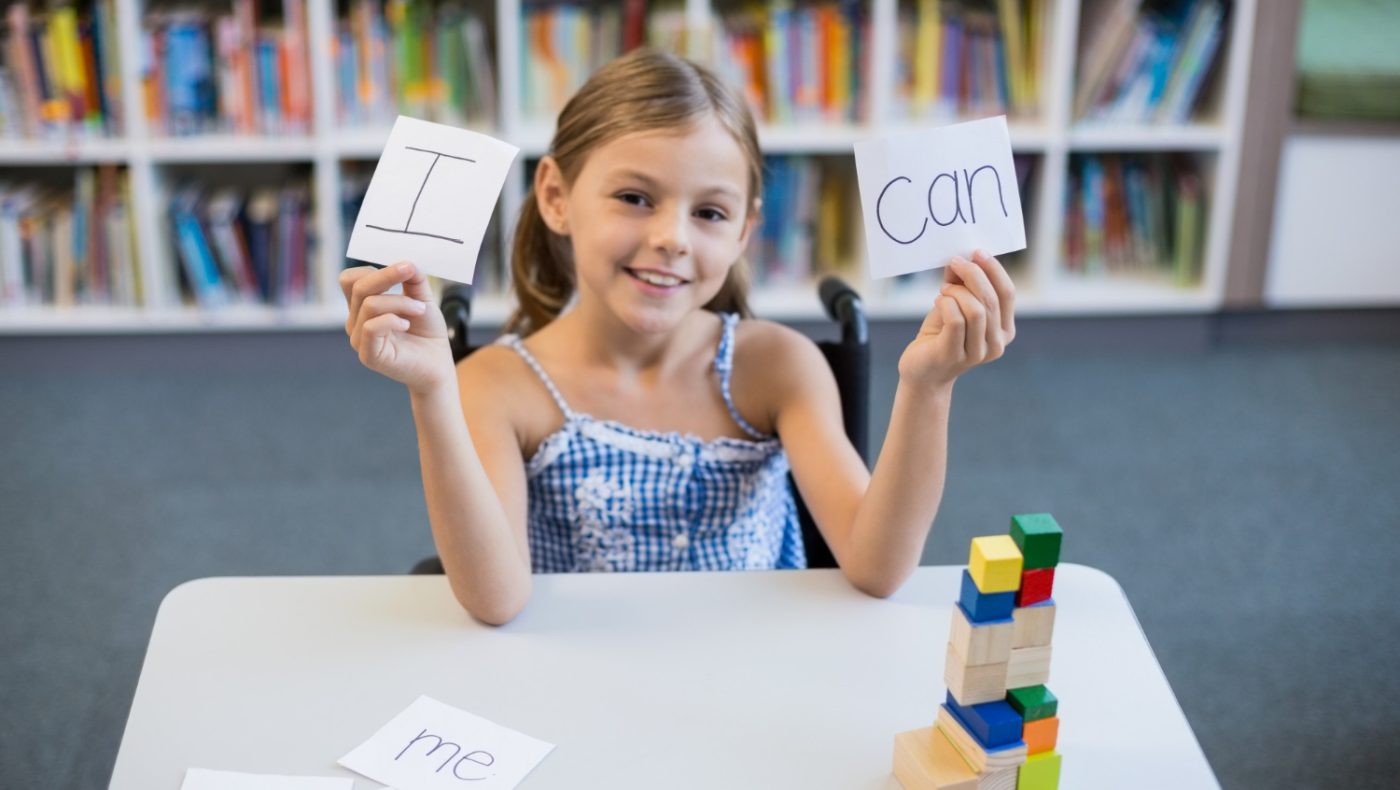

child studying english

Strategies for Tackling Synthesis and Transformation in English

Navigating the PSLE English exam can feel like tackling a giant jigsaw puzzle, especially when it comes to synthesis and transformation questions. These questions aren’t just about testing your grammar; they’re about your ability to see connections and reframe ideas in different structures. As students face these kinds of challenges, mastering synthesis and transformation becomes a key to unlocking better scores not just in grammar but across the entire English paper.

Focusing on these skills can make a big difference in your approach to English exams. Synthesis involves combining ideas to form a coherent whole, while transformation takes a statement and rewrites it with a different structure or form. By honing these abilities, students not only sharpen their understanding of the language but also learn how to communicate more effectively and flexibly. Let’s explore some practical strategies that can help students grasp these concepts with ease and boost their confidence in English exams.

Understanding Synthesis and Transformation

Synthesis and transformation tasks might sound a bit tricky at first, but breaking them down can make them more approachable. Synthesis in PSLE English involves putting together different bits of information—almost like solving a puzzle where you need to keep the meaning intact while connecting the pieces. For example, you might have to combine two separate sentences into one seamless sentence. Transformation, on the other hand, asks you to take a sentence and change its form while keeping its original meaning, such as switching from direct to indirect speech.

Students often find these tasks challenging, but understanding common pitfalls can pave the way for improvement. One challenge is maintaining the exact meaning while changing the structure, which requires precision and practice. Another difficulty is handling complex sentences where multiple pieces of information are packed together. Thankfully, working on these tasks enhances grammar, boosts creativity, and helps develop a critical eye for details in language use.

To build these skills, let’s have a quick look at a simple transformation task. Consider the active sentence: “The cat chased the mouse.” The passive transformation would be: “The mouse was chased by the cat.” This simple change alters the focus and form without losing the core meaning. As students practise more, they’ll discover that synthesis and transformation questions are manageable puzzles waiting to be solved.

Strategies for Tackling Synthesis Questions

When it comes to synthesis questions, a little structure goes a long way. The core aim here is to merge sentences seamlessly, while ensuring that the original meaning remains intact. Let’s break down this process into manageable steps:

  • Identifying Key Ideas: Start by pinpointing the main ideas in each sentence. This helps in identifying words or phrases that can be linked together.
  • Finding Common Elements: Look for overlapping elements or ideas in the sentences. These commonalities often act as natural connectors.
  • Using Connectors: Employ words like “and,” “but,” “because,” or “although” to link ideas fluidly. Ensure these words fit logically into the sentence.
  • Revising for Clarity: After combining sentences, read through to check if the new sentence maintains the initial meaning and remains coherent.

To illustrate, consider the sentences: “Jenny loves to read books. She spends her weekends in the library.” These can be combined into: “Jenny, who loves to read books, spends her weekends in the library.” Practising with various sentence patterns strengthens this skill and helps in swiftly recognising how to connect thoughts effectively.

Strategies for Tackling Transformation Questions

In transformation tasks, the aim is to alter the form without altering the meaning. Let’s explore a few types of transformations and methods to approach them:

  • Active to Passive Transformations: This involves changing the focus of the sentence. For example, “Tom cleaned the car” transforms to “The car was cleaned by Tom.”
  • Direct to Indirect Speech: When converting direct speech to indirect, adjust pronouns and tenses appropriately. For example, “She said, ‘I am happy'” transforms to “She said she was happy.”
  • Positive to Negative: Often, changing the tone of the sentence is required without changing the essence. For instance, “Everyone liked the movie” might change to “No one disliked the movie.”
  • Changing Word Class: Alter the sentence by changing the form of a word. Convert “She sang beautifully” to “Her singing was beautiful.”

Practising these transformations regularly can demystify the process. Students should start with simple sentences and advance to more complex structures over time, which will hone both their understanding and speed.

Practice and Continuous Improvement

Improvement in synthesis and transformation comes with consistent practice and feedback. Set aside regular time to practise these tasks, incorporating them into your study routine. Here are a few suggestions to support continuous progress:

  • Daily Practice: Dedicate at least ten minutes a day to synthesis and transformation exercises.
  • Self-Check Activities: Create sentences and transform or synthesize them, without using a guide, then check your versions against correct examples.
  • Feedback Loop: Share your work with peers or tutors to get constructive feedback.
  • Resource and Activity Utilisation: Use books or online resources dedicated to PSLE English to find exercises tailored to these skills.

Continuous practice not only reinforces the techniques learned but also builds confidence, paving the way for success in PSLE English.

Excelling in Synthesis and Transformation for PSLE Preparation

Mastering synthesis and transformation can significantly impact your PSLE English preparation. Through dedicated practice and understanding of these techniques, students can boost both their confidence and competence. The strategies discussed provide a roadmap, equipping learners with the tools needed to tackle these challenges effectively.

Ultimately, by applying these techniques consistently, students set themselves up for improvements not only in exams but also in their overall approach to language learning. As these skills become second nature, handling complex English tasks becomes less daunting, leading to more success in both school and beyond.

To maximise your potential in English and get fully prepared for your exams, consider immersing yourself in additional learning opportunities. At ILLAC, we offer a range of courses designed specifically for primary students. These courses focus on fostering skills crucial for tackling synthesis and transformation questions. Take the first step in your PSLE preparation today and give yourself the advantage needed to excel.

child studying science

Interpreting Data and Graphs for PSLE Science Questions

Understanding data and graphs is a key skill for excelling in the PSLE Science exam. These visual tools help simplify complex information, making it easier to grasp scientific concepts. However, many students find the prospect of analyzing graphs a bit daunting. Imagine you’re at an aquarium, and instead of looking at each fish individually, someone hands you a chart showing the types of fish present and their numbers. Suddenly, you get a clearer picture of the entire aquatic ecosystem. This is the magic that graphs can provide, turning numbers into insights.

Interpreting graphs isn’t just about decoding lines and bars on paper; it’s about piecing together information like a detective solving a mystery. When students can confidently interpret data, they gain a valuable tool that opens up deeper understanding in all scientific areas. As they continue their education journey, these skills will not only help in exams but also in everyday scenarios where data plays a big role.

Understanding Different Types Of Graphs

Graphs come in various forms, each serving a special purpose. In the PSLE Science exam, knowing which graph to use and how to read it can make a significant difference. Let’s delve into a few common types:

1. Bar Graphs: These are great for comparing quantities. Each bar represents a value, and by looking at the height or length of these bars, students can easily see differences or similarities in data.

2. Line Graphs: Perfect for showing changes over time, line graphs use points connected by lines to indicate trends. For instance, tracking temperature changes over a week becomes simpler when visualized on a line graph.

3. Pie Charts: These are ideal for displaying parts of a whole. Each slice represents a portion of the total, making it straightforward to see proportions at a glance.

When reading these graphs, focus on essential elements like titles, labels, and scales. They provide context and meaning to the data being presented. For example, in a line graph depicting rain over a month, the x-axis might show the dates, while the y-axis shows the amount of rainfall. Understanding these components allows students to accurately interpret the information and draw meaningful conclusions.

Learning to work with different graphs prepares students not just for exams but also for real-world applications. The ability to make sense of data in visual form is a valuable skill, useful throughout education and beyond.

Techniques for Interpreting Data

Interpreting data in graphs requires intuition and some attention to detail. Students can start by looking for trends and patterns. This means identifying if the data goes up, down, or stays the same. For instance, if a line graph shows temperature changes, notice whether the line rises or falls over time. This clues you in on when it was warmer or cooler.

However, simply spotting patterns isn’t enough. Knowing how to extract key information from data tables and graphs is just as vital. Focus on these elements:

  • Titles and Labels: They set the stage for what the graph is about.
  • Data Points: Pay attention to numbers or categories on axes to decipher what they represent.
  • Scales: Ensure you understand what each increment represents to gauge changes accurately.

A straightforward way to compare data points is by using simple techniques like noting the highest and lowest values, then considering what they signify in the context of the problem. This can help students quickly realise which parts of the graph are significant.

Another useful trick is to summarise the graph’s main idea in a sentence or two. This habit aids memory retention and sharpens observation skills. Doing this regularly helps build confidence and proficiency in both exam settings and everyday data interpretation.

Practical Exercises for Better Understanding

To fortify these skills, practice is key. Start with activities that students find engaging and gradually increase complexity. Here are a few exercises:

  • Draw graphs from simple datasets. This reinforces understanding by connecting the data to its visual representation.
  • Match data sets to the correct graph types. This helps with identifying which graph best illustrates particular kinds of data.
  • Solve mock questions, similar to those in PSLE papers. Picture a scenario where you’re given a bar graph of students’ favourite fruits. Ask questions like “Which fruit is the least popular?” or “How many more students prefer apples to oranges?”

Encouraging regular practice in a variety of settings, whether through schoolwork or casual inquiry, sharpens interpretation skills and ensures students can apply their knowledge wherever needed.

Common Mistakes to Avoid

When dealing with graphs, certain pitfalls can trip students up. Common mistakes often come from rushing or overlooking details. Here’s how to dodge these:

  • Misreading scales: Ensure a solid grasp of how the graph is measured. Misinterpretation of scales leads to incorrect conclusions.
  • Ignoring Labels: Labels are your guide. Misreading or ignoring them can lead to a misunderstanding of what the data reflects.
  • Confusing Graph Types: Each graph serves a distinct purpose. Mixing them up can result in misrepresenting information.

Avoid these errors by taking time to thoroughly examine each graph’s elements before drawing conclusions. Informed analysis, rather than rushing through a question, is essential.

Preparing for the PSLE Science Exam

Being adept at reading and interpreting data through graphs offers a huge advantage during exams. Mastery in this area translates to tackling other complex subjects with ease, since data literacy is central to many aspects of education. When students understand the story the data tells, they are well-equipped to answer even the most challenging questions.

The journey to becoming proficient in data interpretation is as much about practice as understanding. By regularly engaging with data in meaningful contexts, students not only prepare for tests but deepen their comprehension of the world around them.

Effective PSLE preparation takes time, a bit of dedication, and access to the right resources. Encouraging students to see data interpretation not just as an exam skill, but as a way to understand the ever-interacting world of information, can lead to a lifelong advantage. Beyond exams, this capability allows learners to engage more critically and thoughtfully with both academic content and real-world information.

To support your child’s PSLE preparation and ensure they are fully equipped to excel in science, consider exploring how ILLAC can make a difference. Our programmes focus on building a strong understanding of data interpretation and other key skills necessary for academic success. Dive into more details on our PSLE Science preparation offerings to see how we can assist in your child’s educational journey.

child studying math

Using Number Bonds to Improve PSLE Maths Performance

Mastering mathematics is a crucial part of preparing for the primary school examinations in Singapore. One of the cleverest techniques to improve Maths skills is through number bonds. At first glance, these might seem simple, but they are a powerful tool in the Maths arsenal. By understanding and applying number bonds, students can break down numbers into more manageable parts, aiding mental calculations and problem-solving. This not only makes Maths more accessible but also boosts confidence for exams.

Imagine trying to solve a word problem in Maths. It often involves several steps and can feel overwhelming. Number bonds offer a way to tackle these challenges with ease. By breaking down numbers into pairs or smaller groups, calculations become quicker and less daunting. It’s like having a shortcut where you can see the problem from a new angle. This approach is not just about finding the right answer faster; it’s about understanding numbers better and gaining a deeper insight into how Maths works.

What Are Number Bonds?

Number bonds form the building blocks of Maths, providing students with a basic yet powerful way to connect numbers. Think of them as pairs that make up a whole. For instance, if you consider the number 10, it’s easy to see it as a combination of 8 and 2 or 6 and 4. These simple relationships between numbers can significantly lighten the mental load of more complicated Maths.

Here’s how they work:

  • Basic Structure: Number bonds show how two numbers combine to make a larger number. By using these pairs, complex problems become simpler, allowing students to navigate through Maths challenges with more confidence.
  • Practical Example: Consider the relationship between 5 and 10. When you know 5 + 5 equals 10, other calculations involving these numbers become much simpler. This insight creates a mental framework that supports more intricate problem-solving.

The benefits of mastering number bonds extend beyond fast calculations. They lay a foundation for advanced concepts like addition, subtraction, and mental arithmetic. Understanding these connections is akin to finding the keys to a locked box, opening new ways to approach Maths problems. Using number bonds promotes a flexible mindset that can navigate different kinds of numeric challenges effortlessly, enhancing performance in Maths tasks, especially during exams.

Benefits of Using Number Bonds in Primary Maths

Using number bonds can transform the way students tackle complex Maths problems during the examinations. By breaking equations into manageable parts, number bonds simplify challenging tasks. When a student looks at a problem, seeing it as smaller parts, it feels less intimidating and easier to solve.

Number bonds also help in building mental maths skills. Quick mental calculations become second nature when these foundational bonds are in place. This agility with numbers boosts confidence in tackling tricky questions and enhances overall mathematical understanding. With these tools, students develop the ability to solve problems faster and more accurately.

Additionally, number bonds improve problem-solving techniques. They’re not just about quick solutions; they also encourage understanding the relationships between numbers. This skill proves invaluable when tackling a variety of questions in the examinations, where analytical thinking is crucial.

Practical Tips for Teaching Number Bonds

To make learning number bonds enjoyable, employ engaging activities. Interactive games can promote understanding, making lessons feel like play. Instead of strict lessons, integrate fun methods. For example:

  • Use card games to pair numbers that add up to a target sum.
  • Create number bond puzzles that require matching different parts to form a whole.
  • Incorporate music and rhythm to make memorising number bonds lively.

Visual aids can further enhance understanding. Charts and diagrams provide a clear picture of how number bonds fit together. Using physical objects like blocks or beads also allows students to visualise and physically manipulate parts of numbers, reinforcing their learning through hands-on practice.

Daily practice helps too. Introduce simple exercises into everyday study sessions. This constant exposure helps solidify the concept, turning what might be challenging into second nature. Consistent exposure ensures that number bonds don’t just become a repetitive task but an intuitive part of a student’s mathematical toolkit.

Real-Life Applications of Number Bonds

Number bonds aren’t just for classroom exercises; they show their value in real-world scenarios. When shopping, for instance, children can quickly add up prices to manage a budget or determine change. This practical application gives context to their learning, making it more relevant and engaging.

In cooking, understanding portions becomes easier with number bonds, especially when adjusting recipes or splitting ingredients evenly. This practical use shows learners how number bonds are useful beyond academics.

During primary maths examinations, number bonds are a strategic advantage. They facilitate the breakdown of complex problems into small, solvable parts. Students who have mastered this skill can approach their exams with increased confidence and efficiency.

Take the Next Step in Primary Examination Preparation

Mastering number bonds is a stepping stone to success in Maths. Through continuous practice, these methods will become second nature, turning hurdles into opportunities for learning. They lay a solid foundation for students, allowing them to face exams with readiness and assurance.

No matter your starting point, embracing number bonds as a part of regular Maths practice can revolutionise your approach. Consistence is key and applying these strategies in daily situations will deepen their impact. When students integrate number bonds into their daily routine, not just in preparation for exams but as a core learning strategy, they prepare themselves for lasting achievement.

Master number bonds to improve your child’s maths skills and boost their confidence. As you continue on the journey towards exam success, explore ILLAC’s programmes designed to enhance the learning of Primary Maths. For more details on how we can support your child, take the next step with us today.

child doing science experiment

Simple Home Experiments to Reinforce PSLE Science Concepts

Learning science doesn’t have to be a mundane task confined to textbooks and classrooms. With a little creativity, it’s possible to transform science into a hands-on and engaging experience right in your own home. Reinforcing PSLE Science concepts using simple experiments can make the learning process both fun and educational. This approach not only solidifies the principles students need to know but also sparks curiosity and creativity in young minds.

Home experiments offer children the chance to see science in action. This not only helps them grasp abstract concepts better but also encourages them to explore further on their own. By integrating learning with playful activities, children are more likely to retain information and develop a genuine interest in science. Below, we dive into some straightforward experiments you can try at home, which align perfectly with what your child is learning in PSLE Science.

Simple Home Experiments for PSLE Science

Home-based science experiments are valuable tools for understanding the key concepts required in the PSLE curriculum. They turn abstract ideas into tangible experiences, making the science learning process more immersive and enjoyable. By engaging in these activities, children are more likely to remember and understand complex theories, as they witness the science firsthand.

One major advantage of conducting experiments at home is the ability to control the environment for learning. Parents and children can choose the time, pace, and type of experiment that best suits the child’s learning style. Additionally, these activities allow students to ask questions, make predictions, and draw conclusions, thereby reinforcing critical thinking skills.

Experiment 1: Growing Bean Plants

Watching a seed grow into a plant is nothing short of magical for children. This experiment not only teaches them about life cycles but also about the essentials of plant biology. Here’s what you’ll need:

  • Dry beans
  • Cotton wool
  • A jar
  • Water

Steps to Grow Your Bean Plant:

  1. Line the inside of the jar with cotton wool.
  2. Place a few beans between the cotton and the jar, so they’re visible from the outside.
  3. Moisten the cotton wool, ensuring it stays damp.
  4. Place the jar on a windowsill and observe daily as the beans begin to sprout.

The growing beans help children understand photosynthesis and the life cycle of a plant. As they tend to their beans, they learn about the conditions plants need to thrive, such as sunlight and water. This hands-on experiment not only reinforces science concepts but also nurtures empathy and responsibility.

Experiment 2: DIY Water Filtration

The importance of clean water is a topic that can be effectively taught through home experiments, helping children understand how filtration works. Using basic materials, you can set up a simple water filtration system to demonstrate how impurities are removed. Here’s what you’ll need to get started:

  • Sand
  • Gravel
  • Cotton balls
  • A plastic bottle
  • Dirty water

Steps to Create a Water Filter:

  1. Cut off the bottom of the plastic bottle and turn it upside down to use as your filter holder.
  2. Place cotton balls at the neck of the bottle to act as the first filter layer.
  3. Add a layer of sand over the cotton balls, followed by a layer of gravel.
  4. Pour dirty water through your homemade filter and observe as it passes through each layer, becoming cleaner.

This experiment is an excellent way for children to visualise how water filtration systems operate. As water moves through the layers, larger particles get trapped by the gravel, while smaller particles are caught by the sand and cotton layers, resulting in clearer water. This practical demonstration highlights the essential processes of filtration and purification, linking theory to real-world practice and making learning more engaging.

Encouraging Curiosity and Learning at Home

Creating a science-friendly environment at home encourages children to learn and explore beyond the classroom. Parents can support this curiosity by providing resources and setting aside time for playful learning. It’s about creating a space where inquisitive questions are welcomed and explored thoroughly.

  • Keep materials like magnifying glasses, science kits, or even simple household items available for spontaneous experiments.
  • Schedule regular family “science nights” to experiment together.
  • Encourage children to document their findings in a notebook, helping them develop skills in observation and record-keeping.
  • Celebrate curiosity by finding answers to questions together, whether through books or the internet.

Promoting a learning culture at home helps children view science as a fun and accessible subject. It nurtures independent thinking and problem-solving abilities, encouraging them to ask more questions and seek solutions on their own.

Making Science Fun and Accessible

Home experiments are a fantastic way to reinforce PSLE Science concepts, making science both relatable and exciting. With minimal effort and materials, families can explore a wide array of topics together. It introduces science in an approachable way, ensuring it doesn’t feel like another homework chore.

When children are encouraged to engage with science in a playful manner, it fosters both understanding and an appreciation for how these concepts apply in everyday life. Exploring together not only strengthens family bonds but also instils a lifelong love for science. By turning what could be a dry study session into an interactive experience, children develop a natural curiosity and the confidence to explore the world around them.

Explore the exciting world of science at home and make learning interactive and fun. Enhance your child’s scientific curiosity and understanding with engaging activities that build on their school knowledge. For a more structured approach, ILLAC offers excellent opportunities for science enrichment in Singapore. Discover how our programmes can further support your child’s journey in science by visiting our primary science course offerings.

Activities That Strengthen Working Memory in Children

Working memory is like the brain’s notepad, helping us hold onto information temporarily while using it. For children, having a strong working memory is especially important because it plays a role in learning and everyday activities. Whether they’re absorbing new concepts in PSLE Maths or following instructions in a science experiment, working memory is a key player. It allows them to juggle tasks, retain details, and understand complex ideas. Without it, simply navigating daily routines can become more of a challenge.

Imagine a child trying to remember the steps needed to solve a problem in PSLE Science without getting sidetracked. Working memory helps keep everything organised in their minds, like a well-packed school bag. By strengthening this mental skill, children can improve their ability to process information more effectively. This ultimately boosts their self-confidence and performance not just in school, but in other activities as well.

Fun Memory Games

Engaging children in fun memory games can be a delightful way to bolster their working memory. These games not only entertain, but they also provide a brain workout that helps strengthen cognitive skills. For instance, memory matching cards can turn playtime into a productive session. By flipping over cards and trying to recall their locations, kids are challenged to use their memory muscles in a fun and interactive manner.

Adding twists can enhance the enjoyment and learning. For example, you can incorporate themes that interest children, such as animals or characters from their favourite stories. Simon Says is another great game that blends following instructions with memory retention. As these games evolve in complexity, they continue to challenge children without overwhelming them. Parents can play with their kids, making the experience a bonding opportunity as well as an educational one.

Games like these are easy to set up and can be played with groups of friends or one-on-one, making them versatile for different environments. Plus, they serve a dual purpose: they keep children entertained and actively engaged, all while giving their brains a healthy dose of exercise. Such activities fit well within a child’s routine, seamlessly incorporating into periods meant for both learning and play.

Interactive Learning Activities

Interactive learning activities serve as a practical route for enhancing working memory through engagement and fun. They are effective because they require children to actively participate in the learning process, empowering them to explore concepts in a hands-on manner. Puzzles, for example, compel children to focus, remember patterns, and strategize their moves, working as a low-pressure workout for their memory.

Appropriate educational apps also contribute significantly to this process. These apps often integrate gaming elements with educational content, captivating children while simultaneously challenging their memory and cognitive skills. By solving puzzles or participating in memory-based games, children encounter learning that doesn’t feel like a chore. An added bonus is how these methods help in their PSLE English, Maths, and Science studies, particularly through thematic applications in language and problem-solving.

Including activities that mix learning and fun caters to multiple areas of development. They improve memory while supporting the understanding of educational subjects. Parents can encourage activities such as DIY science experiments and building projects that naturally require children to recall sequences and follow multi-step instructions. This encourages logical thinking and reinforces concepts previously learned in a structured yet dynamic setting.

Daily Routines to Boost Memory

Integrating memory-boosting activities into your child’s daily routine can significantly enhance their cognitive abilities. These routines don’t have to be cumbersome; simple practices can effectively train memory. For instance, establishing a habit of repeating sequences can improve a child’s recall abilities. This can be as straightforward as naming the days of the week or listing planets in the solar system.

Storytelling is another routine that offers substantial cognitive benefits. Encourage children to recall and narrate short stories, perhaps one they’ve read or heard. This not only aids memory but also boosts language skills and creativity. Singing favourite songs can also serve as a memory exercise, as they involve both remembering lyrics and synchronising rhythmically. To keep things engaging, consider creating a morning or bedtime routine that incorporates one or more of these activities, slowly building them into your child’s daily life.

Creating routines that encourage interaction with the world around them can further enhance learning. For example, during a walk in the park, a child can memorise different species they encounter, or keep track of steps taken or distances travelled. This experience not only provides mental exercise but also fosters an appreciation for nature and a healthy lifestyle.

Importance of Healthy Lifestyle

A balanced lifestyle is often the backbone of effective cognitive development. Sleep, nutrition, and physical activity are key pillars that support the functioning of memory in children. Adequate sleep ensures that the brain has enough time to process and store information acquired during the day. It also helps in maintaining concentration levels when learning new things.

Nutritional balance is critical. A diet rich in fruits, vegetables, and proteins nourishes the brain, laying the groundwork for improved mental functions. Foods rich in Omega-3 fatty acids, such as fish, are known to benefit brain health. Encouraging healthy eating habits ensures a steady supply of essential nutrients required for brain growth and development.

Exercise complements cognitive development as well. Physical activity increases blood flow to the brain, promoting the release of hormones that contribute to brain growth and function. Activities like cycling, swimming, or even a playful session of catch in the backyard contribute to a healthier lifestyle while nurturing cognitive skills. Making small adjustments in diet and incorporating regular physical activities can create an environment where working memory thrives.

Tailored Brain Training Programmes

Customised brain training programmes can target areas of memory improvement in children effectively. These programmes often combine fun activities with strategic memory exercises, focusing on developing the brain’s capacity to hold and process information. By tailoring these techniques to individual needs, they become more impactful and engaging for children.

Such programmes usually assess a child’s current memory skills and adapt activities that fit their learning style. For instance, if a child learns best through visual aids, activities might include visual pattern games or picture-based memory tasks. The goal is to challenge and bolster their working memory gradually, avoiding overwhelming them.

Personalised brain training also provides an avenue to nurture a child’s strengths while addressing specific weaknesses. Being mindful of a child’s progress allows for adjustments in activities to ensure that they remain stimulating yet manageable. This tailored approach ensures that memory training is aligned with the child’s pace, encouraging improvements in their academic and everyday life.

Encouraging a Positive Mindset

Fostering a positive and stress-free environment plays a significant role in memory enhancement. Children learn better when they’re relaxed and motivated, so creating a space where they feel comfortable taking on challenges is crucial. Encouragement from family and educators can boost a child’s self-esteem, making them more receptive to learning new things.

Parents can support their children by offering praise for effort rather than success, helping to instill a growth mindset. This encourages children to view challenges as opportunities to learn rather than as obstacles. Celebrating small wins and progress builds confidence and cements the belief that improvement is as rewarding as achieving a goal.

Adults can also help by reducing unnecessary stressors and providing consistent support, guiding children gently through tasks they find difficult. With a supportive framework, children can develop resilience and determination, essential qualities for learning and memory retention. Setting realistic expectations and recognising their efforts ensure these young learners enjoy the journey of growth.

Memory-Boosting Activities: A Daily Habit

Incorporating memory-enhancing activities into a child’s daily routine can lead to notable improvements in their working memory. These activities, paired with a balanced lifestyle and supportive environment, provide a strong foundation for cognitive growth and learning success. When memory training becomes part of everyday life, its effects are more profound and lasting.

Parents and educators play a key role in making these changes part of a child’s routine. When young learners engage consistently in activities that challenge their memory, it promotes ongoing cognitive development. By embracing these activities, children not only perform better academically but also gain skills that benefit them throughout their lives.

Making memory improvement fun and engaging encourages children to appreciate the learning process. This mindset not only enhances current academic performance but also fosters a lifelong love of learning, ultimately contributing to well-rounded, confident individuals ready to take on future challenges.

Encouraging children to improve their working memory can have lasting positive effects on their learning journey. Engaging them in activities that blend fun and education is a great start. To take your child’s cognitive development to the next level, explore our programmes focused on enhancing cognitive skills. Discover the benefits of brain training with ILLAC, designed to support memory improvement through engaging and interactive learning experiences.

Techniques for Mastering Comprehension Inference Questions

Comprehension inference questions can seem like mysterious puzzles in the world of PSLE English. These questions ask students to go beyond the text and figure out the meaning behind the words. They’re like detectives in a story, where clues are hidden throughout the passage that must be pieced together. Mastering these questions not only boosts your exam score but also enhances your overall comprehension skills, which are useful across all subjects.

Understanding how to tackle these questions can give students an edge in their PSLE preparation. These types of questions encourage a deeper level of thinking and analysis than mere recall, asking students to deduce, infer, and reason like seasoned explorers of the English language.

Understanding Comprehension Inference Questions

Comprehension inference questions differ from simple factual or direct questions. Instead of asking directly for information stated in the text, inference questions require students to read between the lines. They involve making connections and interpreting hints that aren’t overtly stated but are implied within the text. For example, if a passage describes a character shivering while mentioning swirling snow, an inference question might ask why that character is cold without directly stating it.

These questions can take various forms and often involve words like infer, suggest, or imply, indicating that the answer isn’t directly in the text but rather hinted at. Recognizing these cues within the question is the first step in deducing the required response. Typically, students need to pull information from different parts of the text, making logical connections to arrive at a conclusive answer.

Not only do these skills help in exams, but they also enhance critical thinking abilities, encouraging students to think beyond the obvious. Understanding and practising these questions will prepare students to handle them effectively, building both competence and confidence.

Techniques to Improve Inference Skills

Mastering inference questions starts with sharpening certain skills. One of the most effective techniques is active reading. This involves engaging with the text by asking questions, making predictions, and summarizing sections. As you read, picture the story or information in your mind, ensuring each detail is considered. This proactive approach helps in catching not just what’s written, but what’s implied as well.

Another powerful tool is using context clues. These are hints found around unknown words or concepts that give clues to their meaning. For example, if a sentence mentions someone ‘fleeing from a ferocious storm,’ words like ‘fleeing’ and ‘ferocious’ hint at a situation that isn’t calm or safe. Recognizing such hints helps make educated guesses even when every detail isn’t directly spelled out.

It’s also helpful to watch out for question keywords that often signal inference questions. Words like infer, suggest, and imply are good indicators. These words suggest the need to go beyond the text to find an answer. Students often find it easier to deduce answers when they can connect the passages to what they already know. For instance, understanding the emotional response to events can often be inferred by linking them to personal or familiar experiences.

Practising these techniques consistently enables students to naturally integrate inference skills into their reading habits, making them automatic and effective in an exam scenario.

Practising Inference Questions

Building confidence with inference questions requires regular practice. Here are some practical exercises students can try:

  • Pick a paragraph from a book and identify two sentences that might require inference. Write down what you think they mean based on the context.
  • Read a short story and summarise it with your conclusion on what the story was truly about. See if your interpretation matches with others’.
  • During daily reading, pause occasionally and ask what the author might want you to feel or understand, even if not directly stated.

Integrating a few of these exercises into everyday reading routines enhances inference skills. Whether it’s reading a chapter from a fiction book or a news article, pausing to infer and discuss the deeper meanings with friends or family can be beneficial.

Regular practice helps solidify these skills, making them second nature during exams. By practising consistently, students develop a habit of thinking critically, which is invaluable for tackling various challenges beyond their PSLE exams.

Common Mistakes to Avoid

As students hone their inference skills, being aware of common mistakes helps avoid pitfalls. A frequent error is disregarding the context of a passage. Students sometimes jump to conclusions based on a single sentence without considering the entire paragraph or chapter, leading to misinterpretations. It’s crucial to consider the surrounding text in forming accurate inferences.

Another mistake is inferring based on assumptions rather than evidence from the text. It’s easy to let personal biases cloud judgment, leading to wrong conclusions. Ensuring that each inference is backed by specific parts of the text keeps interpretations grounded.

Avoid rushing through the text. Inference requires thoughtful consideration and patience. Skimming might miss the subtle cues essential for correct understanding.

Recognising these mistakes and adopting strategies to address them enhances accuracy, preparing students better for inference questions on the PSLE and beyond. It is an ongoing learning process that pays dividends in nuanced comprehension and critical thinking.

Achieving a strong foundation in inference skills is key to doing well in exams and understanding complex reading materials. It’s never too early to start enhancing these crucial skills. For those interested in elevating their PSLE preparation with engaging and effective learning strategies, explore the comprehensive enrichment options offered by ILLAC. You can find more information about our tailored programs that support students in reading, maths, and science by visiting the website.

Ways Preschool Enrichment Can Help Your Child

Preschool enrichment programmes can play a crucial role in a child’s early development. These programmes are designed to enhance various skills that are important for both academic and personal growth. From boosting cognitive functions to improving social skills, enrichment activities can make a significant difference in a child’s life.

Children are naturally curious and eager to learn, making the preschool years an ideal time for enrichment. By introducing structured yet fun activities, we can help children develop a love for learning. These programmes focus on various subjects, including maths, phonics, and critical thinking, providing a well-rounded educational experience.

In addition to academic benefits, preschool enrichment also nurtures emotional and social development. Activities that involve teamwork, sharing, and communication help children build strong social skills. These skills are essential for forming friendships and adapting to new environments, such as starting primary school. This article will explore the importance of preschool enrichment, highlight its top benefits, and offer guidance on choosing the right programme for your child.

The Importance of Preschool Enrichment

Preschool enrichment is an essential component of early childhood education. It goes beyond the standard curriculum, offering activities and experiences that stimulate a child’s development across various domains. These programmes aim to foster a love for learning and develop crucial skills in young children.

One key aspect of preschool enrichment is its role in cognitive development. Activities designed to stimulate the brain help children improve their memory, attention, and problem-solving skills. For example, brain training exercises and structured play can make a significant impact on a child’s ability to grasp new concepts quickly and effectively.

Social and emotional growth is another critical area that preschool enrichment addresses. Through group activities and collaborative projects, children learn important social skills such as sharing, empathy, and teamwork. These experiences build a strong foundation for forming relationships and adapting to different social environments, crucial for their future schooling years.

Furthermore, preschool enrichment programmes are tailored to meet the unique needs of each child. This personalised approach ensures that children receive the support and challenges they need to thrive. By focusing on individual strengths and areas for improvement, these programmes help children build confidence and develop a positive attitude towards learning.

Top Benefits of Enrichment Programmes for Preschoolers

Enrichment programmes offer numerous benefits that can significantly enhance a child’s early development. Here are some of the top benefits:

1. Enhanced Cognitive Skills:

Participating in enrichment activities helps children develop critical cognitive skills. Brain training exercises, such as puzzles and memory games, boost memory and concentration. These activities lay a strong foundation for future academic success by making learning more efficient.

2. Improved Social Skills:

Enrichment programmes provide opportunities for children to interact with their peers in a structured environment. Group activities teach important social skills like sharing, cooperation, and effective communication. These interactions help children feel more comfortable in social settings and build lasting friendships.

3. Language and Literacy Development:

Activities focused on phonics and storytelling enhance language skills and literacy. Engaging in these activities helps children develop vocabulary, comprehension, and communication skills. Strong language abilities are crucial for academic achievement and overall confidence.

4. Emotional and Behavioural Growth:

Enrichment programmes support the emotional development of children by teaching them how to manage their emotions and behaviours. Activities that involve role-playing and team challenges help children understand empathy and patience, which are essential for emotional intelligence.

5. Physical Development:

Many enrichment activities include physical components that promote motor skills and coordination. Activities such as dancing, outdoor play, and structured games help children develop strength, balance, and physical awareness. A healthy body supports a healthy mind, further enhancing cognitive abilities.

By offering a holistic approach to development, enrichment programmes ensure that children grow into well-rounded individuals. These benefits not only prepare children for academic success but also equip them with the skills needed for personal and social growth.

Examples of Effective Enrichment Activities

There are many effective enrichment activities that can greatly enhance a child’s learning and development. Here are some examples:

1. Phonics Classes:

Phonics classes help children understand the relationship between letters and sounds. Through fun and engaging activities like singing phonics songs or playing educational games, children can improve their reading and spelling skills. This forms a strong foundation for literacy.

2. Maths Games and Activities:

Combining maths with play makes it more enjoyable and less intimidating for children. Simple activities, such as counting objects, playing number matching games, or solving puzzles, can help children grasp basic maths concepts. These activities build confidence and interest in maths.

3. Brain Training Exercises:

Brain training activities like memory matching games, pattern recognition, and simple problem-solving tasks can boost cognitive abilities. These exercises improve memory, attention, and logical thinking. This helps children learn faster and tackle academic challenges with ease.

4. Creative Arts and Crafts:

Arts and crafts activities nurture creativity and fine motor skills. Activities like drawing, painting, and crafting help children express themselves and develop hand-eye coordination. Creative projects also teach patience and planning.

5. Physical Activities and Outdoor Play:

Physical activities like dancing, sports, and outdoor play are essential for physical development. These activities promote strength, balance, and coordination. They also help children release energy, making them more focused and attentive during learning activities.

Choosing the Right Enrichment Programme for Your Child

Selecting the right enrichment programme for your child involves considering several factors to ensure it meets their needs and interests. Here are some tips to help you make the best choice:

1. Identify Your Child’s Interests and Strengths:

Observe what your child enjoys and where their strengths lie. If they love stories and reading, phonics classes might be beneficial. If they show a keen interest in numbers, a maths-focused programme could be the best fit.

2. Look for Personalised Learning:

Every child is unique, so it’s important to choose a programme that offers personalised learning experiences. Look for programmes that tailor their activities to meet individual needs, ensuring your child gets the most out of their learning.

3. Check the Curriculum:

Review the curriculum to understand what the programme covers. Make sure it includes a variety of activities that target different areas of development, such as cognitive skills, social interaction, and physical growth.

4. Consider the Environment:

The learning environment plays a crucial role in a child’s development. Ensure the programme offers a safe, warm, and stimulating environment. The setting should encourage children to explore, play, and learn without stress.

5. Ask for Recommendations and Reviews:

Talk to other parents and read reviews to get insights into different programmes. Personal experiences can provide valuable information about the effectiveness and quality of the enrichment activities.

Conclusion

Preschool enrichment programmes are invaluable in nurturing a child’s overall development. They provide diverse activities that enhance cognitive, social, and physical skills, preparing children for their academic journey and future life challenges. By participating in enrichment activities, children develop a love for learning, build confidence, and acquire skills that set the foundation for their educational success.

If you’re looking for a holistic approach to early childhood education that combines both fun and effective learning strategies, consider exploring our ILLAC Junior Programme. Our unique blend of maths and phonics classes, along with comprehensive brain training exercises, will help your child become a confident and capable learner. Get in touch with us at ILLAC to learn more about how our programmes can benefit your child’s development. Join us in making learning an exciting and enriching experience for your little one!

The Power of Mixing Maths and Phonics

Combining maths and phonics in preschool education is a powerful approach to nurturing young minds. These two critical subjects may seem initially unrelated, but they complement each other well. Integrating them can lead to a more holistic understanding of both concepts and make learning more engaging and enjoyable for children.

This article will explore the benefits of integrating these subjects, explore practical strategies for merging them, and provide tips for incorporating this integrated learning approach into everyday activities.

Understanding the Connection Between Maths and Phonics

At first glance, math and phonics seem like distinct subjects with little overlap. However, both disciplines share fundamental principles that support each other in learning. Understanding these connections can enhance a child’s comprehensive development and make learning more cohesive.

Maths focuses on patterns, sequences, and problem-solving. These are also crucial in phonics, where key components include recognising letter patterns, understanding sound sequences, and solving language puzzles. For example, the concept of patterns in maths is directly related to recognising repeated sounds and syllables in words. This similarity helps children connect mathematical thinking with language skills.

Phonics teaches children to decode words by recognising the relationship between letters and sounds. This decoding skill can be linked to mathematical reasoning, where children learn to break down complex problems into simpler parts. Both subjects’ analysis and synthesis skills reinforce each other, making learning more intuitive.

Another connection is found in activities like counting rhymes and songs, which combine numerical and linguistic elements. These activities make it easier for children to grasp both concepts simultaneously, enriching their cognitive abilities. By exploring the overlapping principles of maths and phonics, we can create an integrated learning approach that benefits a child’s overall development.

Cognitive Benefits of Integrating Maths and Phonics

Integrating maths and phonics offers several cognitive benefits, significantly enhancing a child’s learning abilities. Here are some key advantages:

1. Improved Memory and Recall

Combining maths and phonics activities helps children strengthen their memory. They learn to remember patterns, sequences, and associations between numbers and sounds, which boosts their recall ability. This improved memory aids in both mathematical problem-solving and reading comprehension.

2. Enhanced Problem-Solving Skills

Integrated learning involves various problem-solving tasks that engage different parts of the brain. Children develop a more versatile approach to problem-solving by working on puzzles that include numbers and words. This flexibility is crucial for tackling a wide range of academic challenges.

3. Better Focus and Attention

Activities that blend maths and phonics require sustained attention and concentration. Whether it’s through counting games incorporating letter sounds or solving word problems with numerical elements, these tasks help children develop better focus. Enhanced attention is vital for academic success and overall cognitive development.

4. Increased Cognitive Flexibility

Cognitive flexibility is the ability to switch between different tasks and thinking styles. Integrated learning fosters this flexibility by requiring children to shift between numerical and linguistic tasks. This adaptability helps children approach new learning situations more effectively and confidently.

5. Strengthened Executive Functions

Executive functions include skills such as planning, organising, and executing tasks. Activities that merge maths and phonics often involve multi-step processes that enhance these executive functions. Improved organisational skills help children manage their time and resources better, providing a more efficient learning experience.

Integrating maths and phonics can create a rich, engaging learning environment that maximises these cognitive benefits. This holistic approach ensures that children develop well-rounded skills that lay a strong foundation for future academic success.

Effective Strategies to Combine Maths and Phonics

Combining maths and phonics can be seamless and enjoyable with the right strategies. Here are some effective methods to integrate these subjects:

1. Use Stories and Songs

Stories and songs that incorporate numbers and phonetic sounds can be very compelling. For example, a story that involves counting objects while using repetitive sounds helps children link numerical concepts with language. Likewise, songs that include rhyming numbers can reinforce maths and phonics skills in a fun, memorable way.

2. Interactive Games

Interactive games that mix maths and phonics engage children and make learning enjoyable. Games like “Number Bingo”, which uses cards with numbers and corresponding phonetic sounds, or “Maths and Letters Hopscotch”, where children hop on numbers and letters while solving simple problems, can be particularly beneficial.

3. Visual Aids and Manipulatives

Visual aids such as flashcards, charts, and educational apps can enhance learning by providing visual and interactive elements. Flashcards with numbers and corresponding words (e.g., “2” apples) help children make visual connections between concepts. Manipulatives like letter and number blocks can also create various engaging activities.

4. Routine Integration

Incorporating math and phonics into daily routines can reinforce learning. Activities such as setting the table (“How many plates? How do you spell plate?”) or grocery shopping (“We need 5 apples. What letter does ‘apple’ start with?”) make learning practical and applicable.

Using these strategies, we can make integrating maths and phonics efficient and enjoyable for young learners, ensuring a well-rounded educational experience.

How to Incorporate Integrated Learning in Everyday Activities

Incorporating integrated learning of maths and phonics into everyday activities can make learning continuous and fun. Here are some simple ways to achieve this:

1. Daily Chores

Turn daily chores into learning opportunities. Ask children to count while they help you with tasks such as setting the table or sorting laundry by colours and sizes. Additionally, you can introduce new vocabulary words related to the chores, helping them link numbers and words in real-life contexts.

2. Reading Time

Choose books that include counting elements or repetitive phonetic patterns during reading time. Point out numbers and words as you read together. For example, while reading a book about animals, you can count them and discuss their names, highlighting starting sounds and letters.

3. Playtime

Make playtime educational by incorporating games that require counting and word recognition. Building blocks with numbers and letters, puzzles that require matching numbers to words, and board games like “Scrabble Junior” can make learning interactive and enjoyable.

4. Outdoor Activities

Outdoor activities provide ample opportunities for integrated learning. While walking, you can count steps, identify different objects, spell out names, and discuss natural patterns. Activities like scavenger hunts with a list of items to find and count can also be engaging.

By incorporating these integrated learning activities into everyday life, we can create a seamless and enjoyable educational experience for children, enhancing their ability to grasp and retain new concepts effectively.

Conclusion

The power of mixing math and phonics lies in its ability to create a holistic and engaging learning environment for children. By understanding the natural connections between these subjects, we can help children develop their mathematical reasoning and language skills more effectively. This integrated approach has vast cognitive benefits, enhancing memory, problem-solving abilities, focus, mental flexibility, and executive functions.

Visit I Love Learning to learn more about our innovative approach to integrated learning through the ILLAC Junior programme. Let’s work together to create a fun, stress-free learning of math for kindergarten students so they can thrive and achieve their full potential.

Boost Learning: Enrichment Ideas for Preschool-Aged Kids

Preschool is a magical time in a child’s life filled with exploration, creativity, and discovery. It’s a period where young minds are incredibly receptive and eager to learn new things. Providing enriching activities during these formative years can significantly boost a child’s development, setting the stage for future academic success and personal growth.

Engaging activities do more than just keep children entertained. They help develop essential skills such as critical thinking, problem-solving, and social interaction. From creative arts and crafts to interactive storytelling, these activities stimulate cognitive and emotional growth. Plus, they make learning fun, which is crucial for fostering a lifelong love for education.

Parents and educators are always seeking new ways to enrich the preschool experience. This article will delve into some awesome preschool enrichment ideas that can be easily implemented at home or in the classroom. 

Whether it’s through hands-on science experiments or integrated games that combine maths and phonics, these activities aim to provide a well-rounded and enjoyable learning experience for young children.

Creative Arts and Crafts Activities

Arts and crafts activities are fantastic for preschool enrichment. These activities not only spark creativity but also help develop fine motor skills. Simple projects like drawing, painting, and crafting with various materials can cultivate a child’s imagination and dexterity.

1. Collage Making:

Provide children with magazines, coloured paper, glue, and scissors. They can create collages by cutting out pictures and shapes to assemble on a blank sheet. This activity enhances their ability to plan and organise while practising their cutting and pasting skills.

2. Clay Modelling:

Using clay or playdough, children can create models of animals, vehicles, or even imaginary creatures. This hands-on activity encourages sensory exploration and improves hand-eye coordination. It’s also a great way for kids to express their creativity and learn about shapes and textures.

3. Painting and Drawing:

Introduce different painting techniques using brushes, sponges, or even fingers. Watercolours, acrylics, and crayons can all offer unique experiences. Encourage children to draw scenes from their day or illustrate stories they’ve heard. These activities develop fine motor skills and allow children to experiment with colours and patterns.

Interactive Storytelling and Dramatic Play

Interactive storytelling and dramatic play are vital for developing language and social skills. These activities help children understand narratives, express emotions, and improve their communication abilities.

1. Puppet Shows:

Create simple puppets using socks or paper bags and let the children put on a show. They can adapt known stories or create their own plots. Puppet shows help children develop their storytelling skills and gain confidence in public speaking.

2. Role-Playing Games:

Set up scenarios where children can role-play various jobs or situations, like being a doctor, a chef, or a teacher. Provide props and costumes to make the play more engaging. Role-playing helps children understand different perspectives and improves their problem-solving skills.

3. Story Circles:

Gather the children in a circle and tell a story with plenty of expression and gestures. Invite them to join in by adding their own parts to the story. This collaborative storytelling can enhance their listening skills and boost their creativity. Encourage children to take turns being the storyteller to build their confidence.

These activities not only foster a love for reading and writing but also help children develop socially and emotionally. By engaging in interactive storytelling and dramatic play, children learn to collaborate, negotiate, and empathise with others, setting the foundation for strong social skills.

Hands-On Science Experiments

Hands-on science experiments are a brilliant way to introduce preschoolers to the wonders of the natural world. These activities ignite curiosity and stimulate critical thinking, allowing young learners to explore concepts in a fun and engaging manner.

1. Simple Chemistry:

One exciting activity is making a baking soda and vinegar volcano. You’ll need baking soda, vinegar, food colouring, and a small container. Have the children mix the baking soda with the colouring in the container and then add vinegar. The resulting eruption fascinates kids and provides a basic introduction to chemical reactions.

2. Plant Growing:

Planting seeds and watching them grow is another excellent science experiment. Use clear cups so children can observe the roots and shoots. Discuss the growth stages and the importance of sunlight, water, and soil. This activity teaches children about biology and the life cycle of plants.

3. Sink or Float:

Fill a basin with water and gather a variety of objects. Ask the children to predict whether each item will sink or float. Then, test their predictions. This simple experiment introduces concepts of buoyancy and density, while encouraging observation and hypothesis testing.

Maths and Phonics Integrated Games and Activities

Integrating maths and phonics into games makes learning dynamic and enjoyable. These activities support cognitive development and lay the groundwork for literacy and numeracy skills.

1. Letter and Number Hunt:

Hide letters and numbers around the classroom or at home. Provide the children with a list of what they need to find. Once all items are collected, they can arrange the letters to form words and use the numbers for simple addition or subtraction problems.

2. Counting Stories:

Read stories that include numbers and counting. Pause occasionally to ask questions like “How many apples do you see?” or “Can you count the ducks on this page?” This activity blends literacy with numeracy, reinforcing comprehension and counting skills simultaneously.

3. Phonics Bingo:

Create bingo cards with letters, blends, or simple words. Call out sounds or words, and let the children mark their cards. This game helps kids practice their phonics skills while also recognising numerical patterns on their bingo cards.

Inspiring Preschool Enrichment Activities for Curious Kids

Preschool enrichment activities are essential for fostering the overall development of young children. From creative arts and crafts to hands-on science experiments, these activities nurture a child’s cognitive, emotional, and social skills. Interactive storytelling and dramatic play enhance language and empathy, while integrated maths and phonics games build foundational academic skills in a joyful and engaging way.

At ILLAC, we understand the importance of these formative years and strive to provide a learning environment that is both educational and fun. Our programmes are designed to stimulate young minds and prepare them for a lifetime of success. By incorporating these enrichment ideas at home or in school, you can contribute significantly to your child’s growth and development.

For more exciting and educational ideas, explore our programmes at our enrichment centre in Singapore. Let’s make learning fun and meaningful for your child!

Contact Us

enquiry@ilovelearning.com.sg
(65) 9711 8963
Jurong East Branch 2 Venture Drive #06-15 Vision Exchange Singapore 608526
Clementi Branch Blk 612 Clementi West St 1 #01-292 Singapore 120612
Woodlands Branch Blk 306 Woodlands St 31 #02-35
Singapore 730306

© 2025 – I Love Learning. All Rights Reserved. Website Design By Advergreen Digital