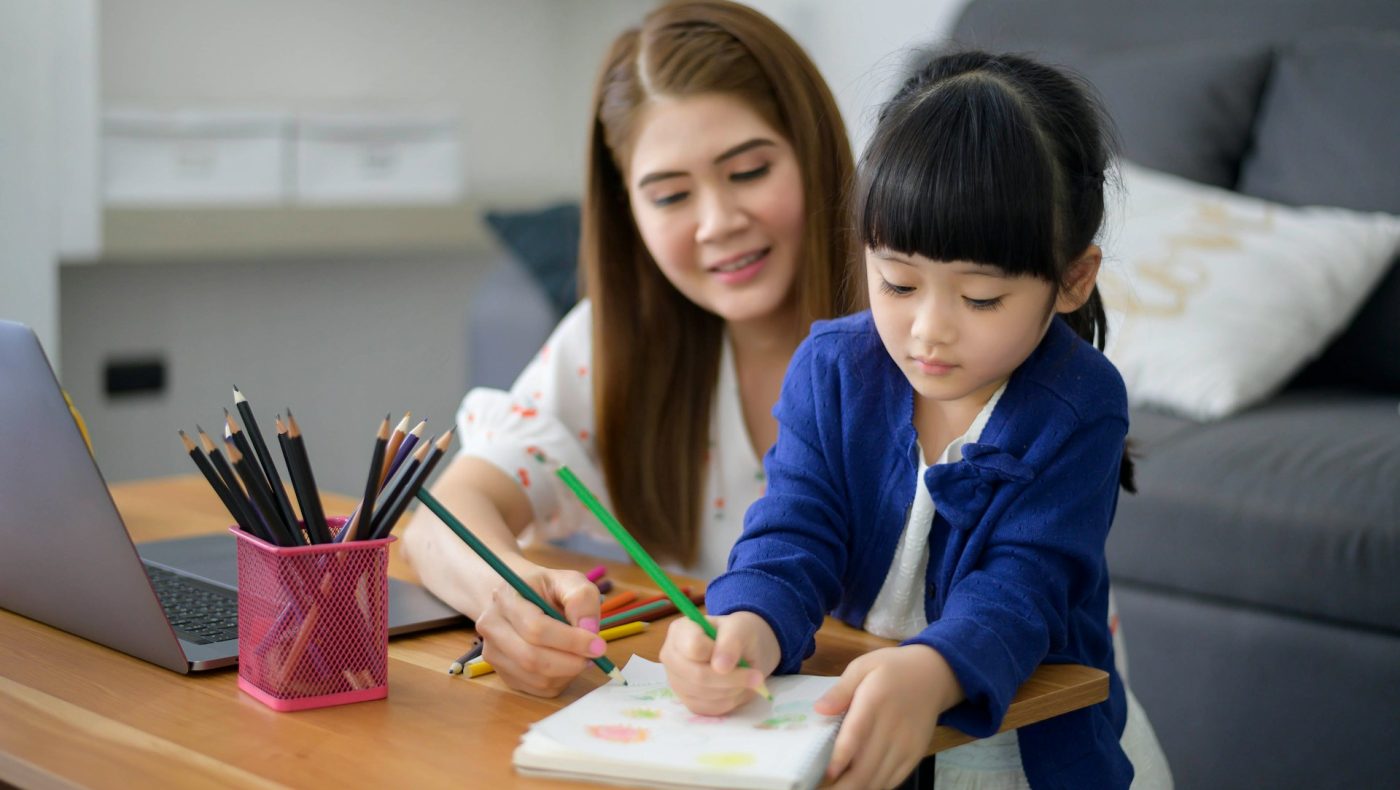
mom teaching daughter to read

How Primary English Tuition Helps Kids Stay on Track After Holidays

After the December holidays, many children in Singapore find it tough to switch back into school mode. Days without homework turn into weeks of free time, and suddenly, the habit of reading or writing each day disappears. When classes start again in January, the gap shows. Kids might feel slower with grammar, less confident when they try to write, and unsure when asked to read aloud in front of others. These small signs can add up quickly.

That is where gentle support makes a difference. Primary English tuition offers a way to rebuild learning habits without pressure. It focuses on helping students get back into their learning rhythm while easing any worries they might feel. With the right mix of revision and encouragement, kids can return to class more prepared and with more confidence.

Helping Children Rebuild Their English Routines

Over the school holidays, it is common for daily routines to fall away. Children relax their habits, spend more time with family or friends, and enjoy a break from the usual rush. That rest matters, but when classes pick up again, it can be hard to go straight from holiday mode back into focused learning. English can be one of the trickiest subjects to restart after a long pause.

  • Spelling rules get fuzzy without regular use
  • Writing takes longer when sentence structure is not being practised
  • Reading comprehension slips when kids are no longer in the habit of pausing to think while they read

Structured tuition helps bring back those habits without making kids feel like they are behind. Instead of rushing straight into new topics, a good learning environment gives students time to revise what they have already learned. When that review is mixed with fun activities, regular checkpoints, and a focus on progress, it feels less like cramming and more like reconnecting. Children do not just repeat tasks, they rebuild their confidence with each step.

Strengthening Reading and Writing Foundations

A solid base in English helps with everything: story writing, subject comprehension, and clear thinking. But when that base has not been used for weeks, some parts start to wobble. Grammar rules that were once familiar might slip away. Vocabulary that used to come easily may feel just out of reach. That is where regular revision in a relaxed setting makes a big difference.

Primary English tuition gives students the space to revisit what they already know, then gently stretch it further. Guided reading helps with tricky words and ideas, while writing practice can focus on small, manageable tasks like crafting a strong sentence or fixing punctuation. With patience and repetition, children strengthen their skills without feeling overwhelmed.

It also builds confidence. When kids feel sure about how to use paragraphs or pick the right words in their writing, they speak up more, write faster, and worry less about getting it wrong.

Making Room for Individual Learning Styles

Every child is different. Some are quick to settle into routines again while others need a bit more help getting back in gear. After the holidays, these differences can feel even bigger. One child might race through reading but struggle with sentence construction, while another gets lost halfway through writing a story.

That is why learning environments need to be flexible. Some students need to slow down and re-learn last term’s grammar exercises. Others just need encouragement and a reminder of how to start. When we match the pace with the child, not the calendar, progress feels possible and pressure goes down.

  • Visual learners might need colourful prompts or diagrams
  • Verbal learners may do better when tasks are explained aloud
  • Active learners might need short breaks or movement woven into sessions

These approaches do not just fill knowledge gaps. They help students feel seen and heard during a tricky time of transition, which can be just as important.

Reducing the Stress Around PSLE English

For Primary 6 students, January often marks the beginning of PSLE revision season. That sudden change can feel like a heavy lift, especially when the holidays are still fresh in their minds. Kids who have not written much for a few weeks can feel anxious as they start writing full compositions again. Reading comprehension feels harder, and grammar mistakes start to creep in.

Primary English tuition becomes even more useful here. It does not just remind children of past lessons. It offers calm, step-by-step help in a space where they can ask, pause, and try again without feeling embarrassed.

  • Grammar topics like tenses, subject-verb agreement, and connectors can be broken down into smaller parts
  • Open-ended writing can be practised through easier prompts or sentence starters
  • Exam questions can be approached gently, giving students the tools they need without rushing them

With time, students begin to build their stamina again. They focus longer, ask better questions, and start to believe they can manage the exam work ahead. That shift in confidence often matters just as much as any topic covered.

Moving Forward with Confidence

A well-structured English tuition programme can make all the difference in a child’s academic year. Our approach uses a blend of fun and brain-based techniques to ensure students stay motivated. Each lesson is crafted to suit different learning preferences, so children can truly enjoy building up their language skills. Small class sizes and guided practice help students receive focused attention, making it easier for them to overcome challenges in reading and writing.

It is normal for children to feel a little off-track when school starts again in early January. Everyone’s holiday looked a bit different. Some travelled, some stayed home, and some spent more time playing than reading. A slow restart is not a sign of falling behind. It is just a part of the shift back into focus.

Giving kids steady support during this time helps them feel calmer and more capable. Primary English tuition brings structure to the week in small, regular steps. Instead of feeling like they need to catch up all at once, they move through topics gradually while noticing their own growth along the way.

When they feel supported, they work with more focus. When they are not rushed, they remember things more clearly. That steady rhythm during the first term of the year helps carry them further across the months that follow.

At ILLAC, we understand how important it is for children to have a smooth start to Term 1 after a long holiday break. With the proper support, they can feel more settled and ready to grow in both skill and confidence. Our primary English tuition lays a strong foundation by guiding students through familiar revision and gentle challenges shaped to their needs. We focus on steady progress at a pace that matches each learner’s comfort level. To learn how we can support your child this term, contact us today.


psle exam preparation in singapore

Why PSLE Preparation Feels So Overwhelming for Kids in Singapore

PSLE preparation can feel like a massive task for many kids in Singapore, especially after the year-end break. The start of a new school term brings a quick shift in gear, jumping straight into revision for a high-pressure exam. For most Primary 6 students, this is the first big test that is seen as important for their future, and that can make it feel extra stressful.

There is pressure coming from school, expectations at home, and even comparisons with friends. Kids are trying to keep up in English, maths, and science all at the same time, which is not easy for everyone. Each subject asks for different ways of thinking and different skills, and not every child learns in the same way. When routines suddenly pick up speed and revision takes over everything, it is no surprise some children start to feel overwhelmed. Here is why that pressure builds up and what could help ease it.

Understanding the Pressure Around PSLE at Home and School

For many families, PSLE is a major milestone. Parents naturally want their children to do well, and that care sometimes turns into more reminders, more assessment books, and more worry. Even gentle encouragement can feel like added pressure when kids are already feeling the weight of the exam.

At school, the approach ramps up quickly. Some topics are covered in a rush, and revision classes often expect children to keep pace or fall behind. That kind of speed does not give much space for questions or deeper thinking.

On top of this, talk about “getting into the right school” adds another load. Children hear adults saying things like “This exam will affect your future,” which makes it feel like there is no room for mistakes. For a student who is still learning how to manage stress, it all builds up fast.

  • At home: Encouragement can feel like pressure when repeated too often
  • In school: Fast revision might skip over the tools children really need
  • Around friends: Constant talk about grades and schools adds more stress

When Learning Styles Don’t Match Standard Revision Methods

Most PSLE preparation often looks the same: past papers, repeated drills, worksheets, and timed tests. While that might work for some children, it does not suit everyone. Some students learn best when they can move, see pictures, or talk things through. Others understand better by making connections between topics instead of memorising them.

So when the method used does not match how a child learns, tension builds. A strong English student might get stuck in science revision because they need more support with the concepts, not more mock tests. A maths learner who understands best through hands-on examples might struggle when only taught through notes.

  • Not all learners respond to standard revision
  • Using just one way of teaching leaves many children behind
  • Confusion and stress grow when understanding does not improve

When a child is doing their best but still feels like they are not getting anywhere, it does not take long for confidence to shrink. Some begin to believe they are just “bad” at a subject, when in reality, they may simply need a different way of learning it.

The Role of Time and Energy in PSLE Stress

By the time kids reach P6, their school day is already packed. After that, there is homework, extra lessons, and for many, tuition too. Add revision into that and suddenly, a young student’s whole day is filled with learning, leaving little time for rest or play.

We put a lot of focus on how much they can study, but not enough on how much energy they actually have left. A tired brain cannot absorb new information well, no matter how many hours are spent on revision.

As the weeks go by, burnout creeps in. Subjects they once liked might feel like hard work now. Even the idea of picking up their books after school can start to feel heavy.

  • PSLE preparation often takes over a child’s daily routine
  • Less rest means lower focus, slower thinking, and rising stress
  • Without regular breaks, learning loses its joy

The problem is not that kids are not trying. Often, they are trying very hard. But without a balance, their effort turns into frustration. Every child needs time to step back and recharge without feeling like they are falling behind.

Why Executive Function Matters More Than Just More Practice

We often focus so much on subject knowledge during PSLE prep, we miss something else just as important: how kids learn. These are skills like paying attention, staying organised, remembering what they revised last week, and planning how to start a paper.

All these are part of what is called executive function, and they play a big role in how children manage learning. A child who understands the topic but forgets steps in maths or gets distracted during a science question might not be short on knowledge, they might just need time to build these inner skills.

Some students have not fully developed these abilities yet. That does not mean they are lazy or not trying. It just means they need more support with learning how to focus, how to process instructions, and how to manage stress.

  • Executive function affects focus, memory, and task planning
  • Not all students have these skills at the same level
  • Practising papers over and over is not helpful if these gaps are not filled first

Helping kids build stronger learning habits often does more than endless revision. When students have those tools, they learn better and feel more in control too.

Building Confidence and a Positive Learning Environment

Creating a fun and stress-free learning experience makes a significant difference for children facing PSLE challenges. Our teaching methods are based on proven brain science, helping children develop cognitive skills and resilience. By offering supportive and enjoyable enrichment programmes, we address both academic content and the way children manage pressure and self-doubt.

Many students benefit from our unique combination of interactive lessons, regular encouragement, and personalised strategies that build confidence. Such environments help children feel safe to ask questions, reduce anxiety about tests, and motivate them to keep trying even when a topic feels tough.

Supporting Your Child: The ILLAC Approach

For many families in Singapore, PSLE preparation becomes a central focus during Primary 6. But what often gets missed is how it makes children feel. Behind the worksheets and practice tests, many students are carrying the weight of pressure, tiredness, and self-doubt.

It is not just about what they are learning, it is about how much they are expected to hold all at once. Managing English, maths, and science is hard enough, but mix in emotions, worries about results, and different learning needs, and the load becomes much heavier.

The good news is that when we pay attention to those signs early on, support can come in the right form. A quiet talk, a pause in the day, or a different way of learning can help a child feel understood. When they know they are not alone, they stand a better chance of enjoying their learning again, even through PSLE season.

At ILLAC, we understand how overwhelming PSLE year can become for children, with each student having their own unique learning style. Sometimes they need more than just practice, they need support that suits them best. Our programmes are made to help children overcome challenges and gain confidence. Find out about how we support children in their PSLE preparation. We are here to answer your questions and talk about how we can help your child thrive.

child writing

Tips for Helping Children Express Ideas in English Writing

Writing in English is an important part of learning, especially for primary school students preparing for the PSLE. When children express their ideas clearly in writing, they grow more confident in using the language. Writing goes beyond spelling and grammar. It helps kids build their thinking and communication skills, which play a huge part in overall school performance.

But many children struggle to put their thoughts into words. They may have a lot of ideas but not know how to begin, or they may get stuck while trying to explain something. Writing often feels like a chore when there’s too much pressure. The good news is that parents can support their kids in simple, everyday ways to help them become confident writers who enjoy expressing themselves.

Encourage Reading To Inspire Writing

Reading and writing go hand in hand. When children read stories, comics, non-fiction books or even magazines that match their interests, they pick up many useful writing habits without even realising it. They learn how stories are structured, pick up new sentence patterns, see how writers express feelings, and grow their vocabulary naturally.

Reading a range of genres is one of the best ways to expose children to different ways of sharing ideas. Storybooks are great for young learners because they have a clear beginning, middle and end. Older children might enjoy mystery books or funny novels. Science books and biographies can also be helpful for kids who like facts more than stories. The key is variety, matched with what each child enjoys.

Discussing what they’ve read helps with deeper understanding. When a parent asks, “Why do you think the character made that choice?” or “What would you have done if it were you?”, it helps the child learn how to think and explain clearly. This practise builds the habit of organising thoughts, something they can apply directly to composition writing.

Reading out loud at times is useful too. It helps children notice the tone and rhythm of English. Listening to audiobooks can be another fun way to pick this up. When children feel excited by the stories they hear or read, they often get inspired to write similar ones of their own, and that’s when writing becomes less of a school task and more of a creative outlet.

Use Writing Prompts And Creative Exercises

Sometimes, the biggest problem is figuring out what to write about. That’s where writing prompts come in. Simple sentence starters or “what if” questions can open the door to a whole range of ideas. Prompts remove the pressure to be original and instead focus on practising expression.

Here’s a list of prompts and writing activities that can help:

  • What if animals could talk — what would your pet tell you today?
  • Write a letter to someone from history and ask them three questions.
  • Imagine waking up in your favourite book — what would happen next?
  • Describe the yummiest food you’ve ever eaten in as much detail as you can.
  • Create a short story using these three words: rain, shoe, dragon.

Journaling is another great way to encourage writing, especially if done without rules or grades. Children can write about their day, describe how they’re feeling, or share thoughts about a recent event or outing. What matters more than grammar or spelling at this point is the habit of writing freely. This kind of writing can even help kids explore their emotions and opinions, which strengthens both personal expression and self-awareness over time.

Creative writing also builds confidence because it gives space to experiment. There’s no wrong answer when you’re making up your own story. If parents join in and try these activities together, it can make writing sessions more fun and less serious. One idea to try is writing a silly family story together, where each person adds one sentence at a time. Activities like these don’t just improve writing skills, they spark joy and creativity.

Integrate Writing Into Daily Activities

Helping children practise writing through small, routine moments makes it feel less like homework and more like a daily habit. These tasks don’t take much time, and they encourage clear thinking while sharpening language skills without added pressure.

Here are some simple ways to build writing into daily life:

  • Let your child write the weekly grocery list. Even a few items get them thinking about spelling and categorisation.
  • Ask them to write a thank-you note or holiday card to a friend or relative.
  • Start a shared diary where both parent and child write a few lines each night.
  • Encourage writing birthday messages for family members or classmates.
  • Make a fun facts wall where they write something interesting they learned each week.

These quick writing exercises don’t need to be perfect. What matters more is developing the habit of expressing ideas on paper. When children see their writing being used, read aloud at the dinner table or stuck on the fridge, it shows them that their words matter. That helps build confidence and motivation.

Real-life writing also improves their awareness of why grammar and punctuation count. For example, missing out on a comma in a thank-you note can make their message mean something different. These moments turn basic English rules into something practical and linked to everyday interaction.

Give Thoughtful Feedback and Stay Encouraging

For writing skills to grow, children need guidance. But feedback should support rather than discourage. When kids feel corrected too often or harshly, writing can quickly become something they avoid. On the other hand, useful comments at the right time help them learn from mistakes while seeing their own progress.

An effective approach is to praise effort first, then give one or two pointers for improvement. If a child writes a short story, you might say, “I loved how you described the park, it was easy to imagine. Maybe next time you could add more about what the character was feeling.” This kind of balanced feedback helps kids feel seen and motivated to try again.

Parents can also go through the writing with their child to spot small issues together. Look for patterns rather than isolated mistakes like repeated sentence starters, overly short answers, or common grammar slips. It’s more helpful to work on one area at a time rather than trying to fix everything in one sitting.

And yes, it takes patience. Progress can be slow, especially during exam season when pressure builds. But holding space for mistakes without judgement makes it easier for children to keep practising and improving over time.

Explore English Enrichment Classes in Singapore

Sometimes children need a bit more support, especially when preparing for PSLE English or when they find composition writing especially challenging. This is where English enrichment classes can really help. The right environment gives kids focused attention, structured guidance and more chances to write regularly with helpful feedback.

Many enrichment programmes in Singapore are designed to match school-level expectations while offering extra tools for creative thinking. They also teach students techniques that make writing less stressful, such as how to plan before writing or how to build up an argument for composition questions. These skills are especially helpful for synthesis, comprehension and situational writing tasks.

It helps when lessons are in small groups or offer personalised coaching, so each child’s struggles and strengths are addressed properly. Children can also benefit from writing in different formats from personal reflections to opinion pieces, which prepares them for both schoolwork and day-to-day communication.

Parents looking into such classes should keep an eye out for well-paced programmes that allow creativity, while still building skills like grammar, sentence structure and vocabulary. The best results happen when writing becomes a shared experience, not just another exam task.

Helping Them Grow, One Word at a Time

Building strong English writing skills isn’t about pushing for perfection from day one. It’s about creating a safe space for your child to experiment, try, fail and grow. Helping a child express their ideas in writing takes time, and it’s often less about correcting mistakes than nurturing their thinking process.

Celebrate small wins like a well-written sentence, a creative phrase, or simply finishing a story after struggling to begin. These signs of progress go a long way, especially for children who feel unsure about writing. The more positive experiences they link to English, the more confident they’ll be to share their thoughts.

The earlier this support begins, the easier it becomes for your child to handle writing assignments both at school and beyond. With guidance, regular practise and encouragement, you’re helping them develop a skill that will carry them through many areas of learning and life.

To support your child’s journey in developing English writing skills, consider complementing your efforts with English enrichment classes through ILLAC. Our programmes provide personalised attention and interactive learning experiences that can nurture your child’s creativity and confidence in writing, setting a strong foundation for academic success.

asian child exams

Common Questions About the PSLE Scoring System Changes

Many parents in Singapore have been trying to make sense of the changes to the PSLE scoring system. It’s a shift that affects how children are graded, what their scores mean, and how they get into secondary school. Because the PSLE is such a major milestone, any updates to how it works can feel confusing and sometimes frustrating. But when the changes are broken down clearly, they’re much easier to follow and manage.

Understanding what the new scoring system means helps students focus better on their learning. When children and parents know what the expectations are, it’s easier to plan study habits, set realistic goals, and manage stress. With a little help, the whole PSLE experience can become more about growth and less about just chasing marks.

Overview Of The New PSLE Scoring System

The biggest change to the PSLE scoring system is the move from T-scores to Achievement Levels, or ALs. The old T-score system used a bell curve, which compared students against each other. Now, with the AL system, students are measured by how well they do in each subject, not how they did compared to their classmates.

Here’s how the new grades work:

  • Each subject is graded using a scale from AL1 to AL8
  • AL1 is the highest score and AL8 is the lowest
  • A child’s PSLE Score is the total of their AL scores across English, Maths, Science, and Mother Tongue

For example, if a student gets AL2 for English, AL3 for Maths, AL1 for Science, and AL2 for Mother Tongue, their total PSLE Score would be 8. The goal is a lower score, as this shows stronger performance across subjects.

This new format puts the emphasis on meeting success criteria rather than trying to beat a curve. It encourages students to aim for strong understanding instead of worrying about staying ahead of their peers. What matters is how well a student understands the material in each subject.

Common Questions About The New System

Since the changes, many parents and students have had questions. It’s normal to feel unsure at first, which is why it helps to look at the most commonly asked things and go through them one by one.

  • How are subject scores calculated under ALs?

Each subject result is matched with a specific band. These bands are based on scores, like 90 and above for AL1, 85–89 for AL2, and so on. These are not fixed ranges and may be adjusted slightly over time, but it helps to have a rough idea.

  • How does this affect secondary school placements?

PSLE Score is the total of the four subject ALs. When students register for secondary schools, their total score is used to decide who gets in, starting with those who have lower scores. If two students have the same score, tie-breakers like citizenship and school choices come into play.

  • Will this change how students are grouped in secondary school?

Yes, students will be placed into different courses—Express, Normal Academic, or Normal Technical—based on PSLE Score ranges. This is done to match students with the level of learning that suits their readiness.

  • Will my child be punished for being strong in some subjects but weaker in others?

No. The AL system actually allows students to show strength in individual subjects. Because every score matters equally in the overall total, children can improve their chances by working harder in a subject they enjoy to bring down their overall score.

  • Is English more important than Science or Maths?

All four subjects are weighted equally. The key is balance. Students should aim to do their best in all subjects, but if one is a little trickier, improvements in another can still help the final score.

A clear understanding of these questions can give both parents and students peace of mind. It also reinforces the idea that good learning habits in every subject matter more than ever under the current Singapore PSLE grading system.

Addressing Concerns and Misconceptions

One worry that parents often bring up is whether this scoring change will increase the pressure on their children. While it’s true that any change in evaluation can feel overwhelming at first, the AL system was actually put in place to reduce unnecessary stress. Since it doesn’t compare one child’s performance directly with others, it takes the focus off competition and allows for more individual improvement. A child working towards AL3 now has the same chance to improve as one targeting AL1. It all depends on consistent effort and understanding.

Another point that confuses some families is how these scores reflect a child’s actual ability. For instance, some parents may think that moving from AL2 to AL3 means a big drop in performance, when in fact the score range between those levels isn’t that far apart. The grading system isn’t meant to label students, but to offer clearer feedback on how well students understand the subject matter. It also helps educators better support students where they need it.

A common misconception is that the new method benefits only academically strong students. This isn’t true. The design of the AL system is meant to recognise effort at every point along the scale. It helps teachers and parents see exactly where the gaps are, instead of masking them within a curve. For example, if a child consistently gets AL5 in Science, it’s easier to spot which topics need attention, rather than assuming the child is average based on comparative scores.

Understanding these aspects can make a big difference for families trying to plan their child’s next steps. With clear goals for each subject, students can work at a steady pace instead of racing to outscore others, which often leads to burnout.

Preparing For The PSLE Under The New System

With the shift to the AL system, it’s useful to adapt how students prepare. The aim is not just to memorise content, but to build a deeper understanding of topics in English, Maths, and Science. Each subject now calls for stronger comprehension, application, and thinking skills.

Here are a few practical ways to help children prepare more effectively:

  • Break study sessions into smaller chunks: Focus on one topic at a time. A 20-minute session on grammar rules often works better than cramming an hour of mixed English content.
  • Use practice papers wisely: Don’t just rush through them. Talk about why an answer was right or wrong.
  • Reinforce key concepts regularly: For Maths, this could be working on one type of question each week, such as model drawing or number patterns.
  • Strengthen scientific thinking: Encourage children to explain why something happens, not just what happens. Ask them to describe the cause of rust or why magnets attract certain materials.
  • Read widely and often: This builds vocabulary and general knowledge, both of which are useful for English and Science comprehension tasks.

For example, a student who starts reading short factual texts like news stories about space exploration will likely do better in Science inference questions that talk about planets or gravity. Little links like that can improve both understanding and recall.

Supporting children’s focus and helping them stay calm can also make a big difference. The ability to stay on task, stay cool under stress, and be aware of mistakes in their own work can improve with practice. These are areas where small but consistent habits go a long way, like double-checking answers, writing complete sentences, and spending a few minutes reading through questions before starting.

Helping Your Child Stay Motivated In A Changing System

Getting familiar with the revised Singapore PSLE grading system takes time, but it offers more transparency for students and parents. Children are now rewarded based on how well they meet clear and consistent standards, rather than how they stack up against their classmates. This approach promotes learning for understanding, which builds a stronger foundation for secondary school and beyond.

Being open to this new way of scoring helps parents support their children in healthier and more constructive ways. Instead of pushing for perfection, the focus shifts to progress. Encourage kids to reflect on what they’ve learned week by week. Small wins matter. Whether it’s getting the hang of percentage questions in Maths or showing improvement in Science open-ended answers, every step counts. A steady mindset and the right support can turn PSLE preparation into a meaningful process, not just a high-stakes exam.

Understanding how the Singapore PSLE grading system works helps parents and students better manage their expectations and study plans. By shifting the focus toward meaningful learning over pure competition, families can support a healthier academic mindset. At ILLAC, we tailor our programmes to help primary students build strong foundations in English, Maths, and Science from the start of their journey through to PSLE.

reading with child

What Are the Building Blocks of Strong Phonics Skills?

Phonics plays a big part in helping young children learn how to read. Instead of guessing words or memorising entire texts, kids break down words into sounds. This builds confidence as they start connecting what they hear with what they see on the page. Phonics works as a tool that helps children take their first real steps into reading and writing on their own, which is why getting the basics right early on makes a big difference.

In Singapore, many students start learning phonics at a young age, which can give them a boost when they begin their formal education. For children preparing for PSLE English or just starting primary school, strong phonics skills help them keep up and even stay ahead. This article explores what phonics really means, why it matters, and the key building blocks that help children grow into confident readers. Understanding how phonics works makes it much easier for parents to support their children’s literacy journey from the very start.

Understanding Phonics and Its Importance

Phonics is the method of teaching children how letters and sounds work together. Instead of teaching children to memorise full words, phonics teaches them how to sound out a word by breaking it into parts. This means they learn how to figure out new or long words without help. Knowing how to match the right letters and groupings with the sounds they hear is what turns a child into a fluent reader.

In Singapore, many schools and enrichment centres use phonics to help children develop strong literacy skills from a young age. It plays an important role in reading, spelling, and eventually writing compositions. As children approach PSLE, these early skills make a big difference in how confidently they read comprehension passages and respond to writing tasks.

Take the word “ship,” for example. A child using phonics will break it into three parts: /sh/ /i/ /p/. They learn that the two letters “sh” make a single sound. This understanding helps them recognise similar patterns in words like “shop” or “cash.” Once children begin noticing these sound patterns, reading becomes faster, easier, and more enjoyable.

Learning phonics also builds a strong base for spelling. By applying what they know about sounds and how letters come together, children make fewer spelling errors and become more accurate in both writing and reading. This is especially useful for students working through the English demands of the upper primary years and those needing to improve their confidence before sitting for the PSLE.

Key Elements of Strong Phonics Skills

Phonics is not a single skill but a mix of smaller building blocks that work together. When children have a good handle on each part, they become more independent readers and writers. Here are five key parts of phonics that help build this strong base:

1. Letter-Sound Recognition

Children need to learn the individual sounds made by each letter as well as how they sound in common pairings. Recognising the correct sound is the first step in both reading out loud and spelling.

Using flashcards, alphabet puzzles, or phonics songs can help younger children build this skill while keeping learning fun.

2. Blending Sounds

Blending is the ability to put sounds together to form whole words. For example, combining /c/, /a/, and /t/ makes the word “cat.”

Parents can help by saying each sound slowly and asking their child to say the full word at the end. This can be turned into a fun game by using everyday words and short nonsense words.

3. Segmenting Words

Opposite of blending, segmenting helps children break a word into its individual sounds. This is how children learn to spell. For example, “frog” becomes /f/, /r/, /o/, /g/.

A good way to practise is by saying a word and having the child tap out or clap each sound. This keeps the activity light and helps them become more aware of how words are built.

4. Decoding Skills

Decoding means sounding out unfamiliar words independently, rather than guessing. It greatly boosts reading fluency and confidence.

Children can improve this skill by reading simple books with repeated patterns. Books that follow a clear phonics structure are most effective at the early stages.

5. Recognising Common Phonemes and Graphemes

English has combinations that appear often, such as “ch,” “th,” and “ee.” Recognising these common phonemes and matching them to their written form is part of expanding a child’s vocabulary.

Practising these using sound-matching games, rhymes, and sentence-building exercises can strengthen this skill through repetition and context.

These building blocks work best when used together. Regular practice, short repetition sessions, and simple reinforcement methods help phonics become second nature to children. As these skills grow, so does the child’s ability to understand what they read and express ideas clearly when writing.

Tips for Parents to Support Phonics Learning at Home

Parents play a big part in helping kids improve their phonics skills. But supporting your child at home doesn’t have to be time-consuming or complicated. Many everyday moments can become chances to reinforce what they’ve learned in school or tuition.

Here are a few simple ways to include phonics learning into daily routines:

  • Read aloud together: Choose books with repeating sound patterns and simple vocabulary. As you read, point out interesting words or ask your child to sound out words they don’t know.
  • Play oral sound games: Ask fun questions like “What word starts with the same sound as ‘sun’?” or “What sounds do you hear in ‘jump’?” These allow children to practise without sitting at a desk.
  • Label items around the house: Write names of objects like “door,” “book,” or “table” and stick them onto the items. It connects the spoken and written word without pressure.
  • Limit but use phonics apps smartly: Some online games can support blending and segmenting in short, playful bursts. Make sure they’re age-appropriate and don’t replace real reading time.
  • Celebrate success often: Let your child know when they read or spell well. Small, positive moments build their confidence and make them want to keep trying.

These ideas work because they fit into what families already do. They don’t require extra planning or long sessions. Just a few minutes of fun, repeated over time, can help children strengthen their phonics base while enjoying the learning process.

Why Phonics Tuition in Singapore Makes a Difference

While home support is helpful, sometimes children need more structured help to fill learning gaps or practise with guidance. That’s where phonics tuition in Singapore can have a big impact. With a system that moves quickly through syllabuses, early reading skills often shape how well children cope with English.

Phonics tuition gives children space to slow down if needed or move ahead when ready. In larger class settings, it’s not always possible to change pace for each student. With smaller groups or one-on-one lessons, children get more feedback, focused attention, and tailored activities suited to their level. They also benefit from reviewing sound patterns that might have been missed in school or were not taught in a way they grasped.

A well-rounded phonics tuition class in Singapore doesn’t stop at sound-letter drills. It folds in vocabulary building, reading texts, and even simple writing tasks. This makes sure the child uses phonics clearly while actually reading and writing, rather than treating it as an isolated skill with no practical use. For instance, children might focus on the “ck” sound and read a passage using words like “duck,” “back,” and “lock,” then write a few simple sentences using them.

Another advantage is consistency. Structured programmes offer regular practice, helping children build strong reading patterns that are hard to achieve through random practice. For children aiming to improve school performance and work toward PSLE readiness, phonics tuition is a way to get solid support outside the pressure of the school environment.

Giving Your Child a Strong Start in Reading

Phonics is the link between letters and sounds that helps kids read fluently and write with confidence. When children learn how to recognise letter sounds, blend them, break words down, and decode unfamiliar terms, reading becomes a skill they can grow with for years to come.

If your child tends to skip words, guess often, or struggles with spelling, they might need more practice with basic phonics. That’s completely normal. Many kids just need the right combination of support and routine. A mixture of playful learning at home and focused help through phonics tuition in Singapore can fill in the gaps and open the door to smoother, more enjoyable reading.

The habits built through solid phonics instruction help students manage the expectations of primary school, especially as they move closer to exams like the PSLE. When reading and writing stop being a struggle, children start to feel in control of their learning. And that’s when real progress begins.

With phonics forming a strong foundation for literacy, helping your child build these skills early can make learning smoother and more enjoyable. To give them a head start, consider our customised phonics tuition in Singapore at ILLAC. Our programmes are designed to support young learners as they grow into confident readers who enjoy using language in everyday life.

child in chemistry kit

How to Make Science Revision Less Stressful for Children

Science revision before the PSLE can sometimes become a source of stress for children and parents alike. With so much to understand and remember, many students start feeling overwhelmed. Add long school days and homework to the mix, and it’s easy to see why some children begin to lose motivation or feel lost during their study sessions.

But revision doesn’t have to be a struggle. It can become a time when children feel more in control and even start to enjoy learning more about how the world works. With the right setup and strategies, science revision can become something children look forward to instead of dread. The key is to make small, thoughtful changes that work for your child’s personality and pace.

Create a Relaxed Study Environment

The space your child uses to study plays a big part in how focused and calm they feel. Noisy or cluttered areas can easily lead to distractions. That’s why creating a comfortable and peaceful study corner is one of the first steps to reducing revision stress.

Keep the area quiet and clean. Use soft lighting and a simple desk setup. A chair with good support can also help them sit longer without feeling tired or fidgety. Choose a space where siblings or TV noise won’t interrupt. If your home is small, consider adding noise-cancelling headphones or calming background music to help with focus.

Personal touches can help too. Adding a favourite pencil case, a fun calendar, or even small plants can make the space feel more welcoming. Each child is different, so get them involved in setting up their area. When they have some say in how their space looks, they’ll become more comfortable using it.

It also helps to keep all basic study tools ready – sharpened pencils, highlighters, notebooks, and previous worksheets. This cuts down on wasted time and keeps the focus on revision. Knowing everything is within reach lowers frustration and builds a sense of control during study hours.

Break Down Study Sessions

Many children struggle with long study hours. They lose attention, get frustrated more quickly and at some point, stop retaining what they’re reading. Science revision doesn’t have to mean sitting down for two hours straight. It often works better when managed in smaller bits.

Here’s how to break down revision and make it more effective:

  • Start with study blocks of 20 to 30 minutes, followed by a short 5 to 10 minute break
  • Use a timer or a clock your child can see so they know how much time is left
  • Mix subjects across the week – don’t do only chemistry or human body topics every day
  • Plan revision for earlier in the day when your child is fresher
  • Keep weekends a little lighter so there’s time to recharge

Think of revision like eating – too much at once makes you full and tired, but smaller meals spaced out are easier to handle. Some children enjoy ticking off tasks from a list, so a simple daily checklist can help them feel a sense of progress.

Apps or visual schedulers can also help children who learn better with visuals. Colour-coded timetables or stickers add some fun to the process. Let your child suggest how they want to plan out their study time and adjust as needed. This builds ownership and confidence over time. When they don’t feel forced into endless sessions, the pressure fades and real learning begins.

Use Engaging and Varied Study Methods

Science concepts stick better when children enjoy the process of revising. Rather than going through page after page of notes, try using methods that bring ideas to life. Mixing up the way your child studies can improve focus and hold their attention longer.

Think hands-on. Simple home-based experiments or games can turn abstract topics into something real. For example, helping your child build a model of the water cycle using a sealed bowl, a cup of water, and cling film makes evaporation and condensation easier to see and remember.

Here are a few other ways to make science revision more fun and meaningful:

  • Use colourful posters, diagrams, and mind maps to summarise key points
  • Watch short videos related to what they’re learning
  • Use flashcards with visual clues for tough definitions or processes
  • Role-play science processes as a game, especially for kinetic learners
  • Create a quiz where family members compete with the child

Some children benefit from explaining what they’ve learned to someone else. It helps them process information in their own words. You can encourage this by letting them teach a sibling or by asking questions while they revise.

Study groups work well too, especially if your child enjoys learning with others. They can share tips, test each other, and break the tension that sometimes comes with solo revision. Just make sure the group stays focused and the sessions stay short.

Incorporate Relaxation Techniques

It’s easy to overlook how much pressure children feel during exam prep. Giving them tools to calm their nerves can make a real difference. By helping your child manage their stress, you’re also helping them study better and hold on to more of what they learn.

Start with simple breathing exercises. Deep breathing in through the nose and slowly out through the mouth helps settle nerves. It’s easy to do and can be used before or during revision sessions, or even just before an exam.

Stretching also helps. Encourage standing breaks or gentle stretches between study segments. If your child likes moving around, even walking around the flat while recalling facts can keep the brain working while easing restlessness.

Sleep plays a part too. A rested brain performs better, especially when it comes to memory and focus. Keep late-night revision to a minimum. Build relaxing pre-bed routines that help your child wind down.

Besides physical relaxation, it’s good to talk about feelings. If your child is worried about schoolwork, let them know it’s okay to share those thoughts. Having a short daily chat about how revision is going gives space for open talk and builds emotional support.

Support From Quality Science Enrichment in Singapore

Sometimes what a child needs is a bit of outside help. When science topics start feeling tricky or revision isn’t moving forward, structured support can relieve the pressure. Professional programmes focused on PSLE Science can offer clear steps and keep revision steady.

The right enrichment environment creates space for children to ask questions freely and work in a way that fits their learning style. With steady guidance and methods shaped for them, it becomes easier to stay engaged and confident.

Group learning sessions can also help children discover working tips from one another. Many feel more relaxed when working with peers who face the same topics. Lessons led by experienced educators develop clearer thinking, boost focus, and grow belief in their own progress.

When learning feels personal and within reach, children stop feeling like they’re chasing marks. They start to understand, not just memorise. That kind of shift often comes quicker with help from educators who know what PSLE science requires in Singapore.

Helping Your Child Enjoy Science Revision

The best kind of science revision is the one that doesn’t feel like extra work. When children feel relaxed in their space, have a routine that matches their pace, and try different study styles, their view of revision changes. It becomes less of a task and more of a chance to explore.

Parents shape this shift in a big way. With patience, steady encouragement, and attention that doesn’t pressure, your role becomes more than support — it’s guidance through each revision day. Stress around revision is real, but it can be managed with care, calm moments, and the right tools.

Science doesn’t have to feel hard. With time, space, and help both at home and through thoughtful support, revision becomes a way to grow both knowledge and confidence. Little changes in how children study can lead to clearer thinking, stronger understanding, and better memory.

By creating a positive revision environment at home and supporting their learning journey, parents can help children truly enjoy their studies. To further boost their learning experience, consider enrolling your child in the best science enrichment in Singapore. At ILLAC, we provide tailored support that makes science both enjoyable and easy to grasp.

toddler studying with mom

What Role Do Executive Functions Play in Early Learning

Every child has natural potential, but how they use it often depends on a set of brain skills known as executive functions. These are the skills that help children regulate emotions, remember instructions, stay focused, and manage their behaviour to achieve goals. Instead of being tied to any one subject, executive functions support learning across the board, from understanding sequences in Maths to maintaining focus while reading. These skills form the foundation for success both in and out of the classroom, even in everyday moments like packing a bag or waiting their turn.

In early childhood, the development of executive functions can influence how easily a child picks up new concepts, adapts to new situations, and handles challenges. That’s why early learning environments that support these skills make a bigger difference than we sometimes realise. Programmes that offer preschool enrichment in Singapore often weave these skills into daily routines, giving children the tools they need to enjoy learning while building important habits they’ll rely on as they grow older.

Understanding Executive Functions

Executive functions are often described as the brain’s management team. They’re made up of several mental processes that help children control their actions and thoughts. The three core components are:

  • Working memory: the ability to keep information in mind and use it when needed
  • Inhibitory control: being able to stop and think before acting, especially in emotional or tempting situations
  • Cognitive flexibility: switching gears when plans change or when adapting to a new rule or idea

These processes may sound complicated, but they play out in simple ways. A preschooler using working memory might remember the steps to wash their hands. A child with strong inhibitory control might stop themselves from shouting out during story time. One showing cognitive flexibility could handle it if their favourite activity is moved to later in the day. When these abilities develop early, children are better equipped to manage the moments that shape their learning experience.

Children use executive functions all the time, even if we don’t see it. Whether they’re taking turns in a game, following classroom instructions, or sorting blocks by colour and shape, these moments help strengthen their mental wiring. The earlier they gain these skills, the more confident they grow in handling challenges not just academic ones, but social and emotional ones too.

Executive Functions And Early Learning

Children aren’t born knowing how to focus, plan, or manage distractions. They learn these things over time, and usually by doing. That’s where early learning really matters. Executive functions help them get the most out of those first few years in school or care.

Here’s how strong executive function skills can support early learning:

  1. Better listening and following directions – Children with solid working memory and focus can listen to adults and follow step-by-step guidance more easily
  2. Improved problem-solving – Kids who can pause and think, instead of reacting straight away, are more likely to work things out on their own
  3. Stronger self-control – Managing impulses helps children sit still during circle time, wait their turn, or share toys without getting upset
  4. Clearer communication – These skills can help children organise their thoughts better, making it easier for them to express ideas and understand others
  5. Adaptability – Cognitive flexibility helps them cope with changes in routines or transitions between activities

You might notice some children naturally pick up these habits quicker than others. For example, one child might zip through a number puzzle without distraction while another struggles to stay seated for more than a minute. That’s alright. These skills grow at different rates, and learning environments play a big part. The goal isn’t to get everything perfect, but to give children the support they need to practise and improve at their own pace.

Supporting Development Of Executive Functions

Helping children build strong executive function skills doesn’t require complicated tools or high-pressure lessons. What’s most helpful is consistency, patience, and activities that let children use their minds in different ways. For preschoolers, learning happens best through doing, so routines, games, and open-ended play all have roles to play.

Here are a few simple ways to support executive function development at home or in early learning settings:

  • Set regular routines: Predictable schedules help children feel safe and give them a basic structure to follow. This also supports memory and planning
  • Offer choices: Letting children choose between two or three options helps build decision-making and self-control
  • Tell stories with order: Reading and re-telling stories with a beginning, middle, and end helps strengthen working memory and sequencing skills
  • Play stop-and-go games: Games like “Simon Says” or “Red Light, Green Light” boost inhibitory control. They’re fun and require attention and rule-following
  • Encourage pretend play: When children create their own scenarios, they use a mix of memory, flexible thinking, and self-regulation to stay in character and follow the plot
  • Ask guiding questions: Instead of giving solutions, try asking questions like, “What could you try next?” to encourage planning and reflection

At this stage, patience really matters. Children are learning how to manage their thoughts and behaviour, which takes time and repetition. If they forget what they’re supposed to do or get frustrated easily, it’s part of the process. What helps is giving them the space to practise daily and modelling the kind of self-control and flexibility we expect from them. For example, if there’s a sudden change in plans, calmly talking through what’s happening can help a child adjust more smoothly and give them a template for handling change in the future.

The Role Of Preschool Enrichment In Singapore

A strong preschool enrichment programme offers more than topics and worksheets. It builds a learning environment where brain skills like memory, focus, and control develop naturally. In Singapore, where educational expectations start early, children benefit from structured opportunities that also allow for creativity and problem-solving.

Activities in preschool enrichment often include:

  • Sequencing and sorting exercises that support working memory and planning
  • Story-telling sessions where children follow narratives and recall key details
  • Maths and phonics games that encourage flexible thinking and pattern recognition
  • Movement games that require stopping, going, and self-monitoring
  • Group projects where sharing, taking turns, and listening help with emotional control

These activities are fun on purpose. Children absorb better when they’re engaged and having a good time. That’s why enrichment programmes tend to blend learning with play, so children can challenge their minds without pressure.

The key is variety. Mixing structured lessons with open-ended tasks gives children a broad range of situations where executive function skills are used. It’s not just about sitting still or memorising facts. It’s about being able to plan, concentrate, adapt, and manage responses. These are all things that help children both socially and academically.

Nurturing A Love For Learning

When children develop strong executive functions early on, learning becomes less about stress and more about growth. They’re better able to pay attention to lessons, solve problems when they get stuck, and bounce back when things don’t go their way. As a result, the classroom feels less overwhelming and more manageable, leading to better focus and confidence.

Preschool enrichment gives children access to this kind of support before formal schooling begins. Over time, the habits they build now shape their ability to tackle PSLE English compositions, Maths problem sums, and Science experiments later on. These foundational skills help them stay calm under pressure, switch strategies when needed, and reflect on their work. These are all key parts of becoming an effective learner.

More than scoring high on tests, executive functions impact how children feel about learning. When they’re in control of their behaviour and thinking, they approach school with curiosity instead of fear. They learn faster and with greater interest, which keeps them motivated not just during PSLE prep but across their school years.

Ready To Enhance Your Child’s Learning Journey?

Executive functions lay the groundwork for how children absorb and apply knowledge. Strong focus, memory, self-control, and flexibility give young learners the tools to navigate both classroom lessons and real-world situations. Preschool enrichment supports this process by offering a balanced space for growth through guided activities and daily routines.

If you’re looking for long-term learning success, know that it starts with how your child thinks, behaves, and adapts. Programmes that integrate these skills set children up to enjoy learning, gain confidence, and handle challenges with a clearer mind. Explore how ILLAC’s preschool enrichment in Singapore is designed to nurture these skills through a supportive learning experience. Learn more at www.ilovelearning.com.sg and see how your child can benefit.

Strengthening your child’s learning foundation with executive function skills can transform their early education experience, leading to greater success in school and beyond. Explore how preschool enrichment at ILLAC can support this development in a nurturing and engaging environment. Begin the journey to foster curiosity and confidence in your young learner today.

asian student studying

Why Do Some Children Struggle with English Composition Flow

Learning to write a clear and engaging composition is a big step for students, especially those preparing for the PSLE English paper. Yet, many children struggle to get their thoughts across smoothly on paper. Their ideas may be there, but poor flow can make the writing feel disjointed or confusing. This issue can lead to frustration or even a lack of motivation during English lessons.

Understanding why composition flow breaks down is the first step to helping children improve. Each child is different. While some might face trouble connecting ideas, others might find it hard to put their thoughts in order. Some may even limit what they write out of fear that it won’t sound right. By exploring these challenges through real-life learning behaviours, we can spot the patterns and help shape more confident, expressive writers.

Lack Of Structured Thinking Affects Composition Flow

One of the biggest hurdles to writing a clear composition is the ability to think in an organised way. Children often have plenty of ideas, but they don’t always know how to put them in order. Without thinking through the beginning, middle, and end, the composition can end up without direction or connection between points.

For example, a student might start writing about an experience at the park, then jump to describing their favourite food, and finally end with a comment about a school project. While each part may sound fine on its own, there’s no clear thread linking them. This kind of writing makes it hard for readers to follow along and can lead to low marks in exams like the PSLE.

Building structured thinking skills can make a big difference. Some helpful techniques include:

  • Using mind maps or bullet points before writing to plan ideas clearly
  • Encouraging children to answer “who, what, when, where, why” before they begin a story
  • Practising sequencing activities, like putting picture cards in order to form simple narratives
  • Talking through ideas out loud to help shape organised thoughts before they’re written down

It’s not about forcing rigid outlines, but rather about helping children recognise patterns in storytelling. When they learn how to order ideas logically, their writing starts to flow more naturally and becomes easier for everyone to read and understand.

Limited Vocabulary Restricts Clear Expression

Even when children have good ideas and a basic structure in mind, they might still get stuck trying to put their thoughts into words. A limited vocabulary can make it hard for students to express themselves clearly, leading to vague or repetitive writing. If they don’t know how to describe feelings, actions, or details, their compositions can sound flat or incomplete.

Children who use the same simple words over and over, like “good,” “nice,” or “fun,” might feel like they’ve run out of ways to describe things, which can affect both flow and confidence. This issue becomes more obvious in higher primary levels when richer expression is expected.

Here’s how you can support vocabulary development in a more relaxed and consistent way:

  • Encourage regular reading of varied texts, not just school readers, but comics, magazines, and short stories
  • Play word association games to make learning new terms more interactive
  • Use vocabulary jars where children pick new words to use throughout the week in conversation or writing
  • Watch and discuss shows or audiobooks with children and talk about the words they hear
  • Keep a writing notebook where they jot down interesting words and phrases they come across

The more children are exposed to different types of language, the more tools they’ll have to work with during composition writing. Expanding vocabulary doesn’t just help improve expression, it also boosts confidence and adds life and detail to their stories.

Fear of Making Mistakes Holds Back Fluency

Some children find writing quite stressful, not because they lack ideas, but because they’re afraid their work won’t be good enough. This fear often leads to hesitation or even avoidance. A child might write very slowly, avoid using new words, or keep their sentences short and simple just to avoid getting things wrong. When writing becomes about avoiding mistakes instead of sharing thoughts, the flow gets interrupted.

Removing this fear requires small, steady changes in how writing is encouraged. It helps to treat mistakes as part of learning, not something to be punished or judged. When students feel safe trying out new phrases or creative sentence styles, they’re more likely to surprise themselves with what they can write.

Here are some supportive practices that can build writing confidence:

  • Allow messy first drafts with no pressure to get it right the first time
  • Set relaxed writing sessions where creativity is more important than grammar
  • Praise good effort or interesting ideas, not just correct answers
  • Show examples of polished work that started from rough outlines
  • Let children read their stories aloud without corrections, just to hear the rhythm

Children who feel they can write without harsh judgement are more willing to experiment with language. That freedom often leads to smoother flow and stronger writing in the long run.

Too Little Practice Limits Progress

Even naturally strong writers can lose their momentum if they don’t practise often. Like any skill, writing needs time and repetition to improve, not just in school but in everyday life. But it’s not just about writing more. It’s about making writing something that feels useful, fun, or personal.

When children aren’t interested in writing prompts or find them hard to relate to, they’re likely to write without effort or stay stuck halfway through. Giving that writing purpose, whether it’s jotting ideas for a birthday party or crafting a story for a sibling, can bring energy and focus to their work.

Try these easy ways to keep writing active and engaging at home:

  • Start a shared story where everyone in the family adds one line each day
  • Build writing into play, like making menus for make-believe restaurants
  • Encourage keeping a low-pressure journal about daily activities or feelings
  • Use comic strips or picture books and let children write their own versions
  • Ask your child to summarise a favourite TV episode in writing

The more children practise writing in a relaxed and enjoyable way, the better they’ll get at expressing themselves clearly. And once they start seeing their improvement, it naturally encourages them to keep going.

How An English Tutor In Singapore Can Support Writing Development

Many children benefit from extra support when it comes to composition skills, especially if they’re preparing for something as specific and structured as the PSLE English paper. Even with regular classroom lessons, it can be hard to address each child’s individual hurdles, whether that’s planning ideas, building vocabulary or gaining more writing fluency.

This is where working with an English tutor in Singapore can make a meaningful difference. One-to-one or small group settings allow students to ask questions freely, practise writing with focused feedback and learn techniques that match their unique pace. Some children may need help improving their introductions, while others may struggle more with transitions between paragraphs. A dedicated tutor spots these gaps early and works through them step by step.

An English tutor can also provide guided practice using past PSLE formats, which helps students get familiar with the types of compositions they’ll be asked to write. With regular writing prompts, practical tips and patient review, students gradually learn how to write more confidently and smoothly. This kind of targeted guidance helps children see progress faster than they might on their own, which lifts both their writing and their self-belief.

Helping Your Child Thrive In English Composition

Whether it’s lack of structure, limited vocabulary, or simply fear of making mistakes, every child’s writing struggle has a reason behind it. The good news is, these challenges often work themselves out when children are supported in a way that feels natural, clear, and encouraging. Writing doesn’t always need to begin with full compositions. It can start with simple observations, fun prompts, or even text messages turned into stories.

When children are given enough space to explore writing in their own voice without pressure to be right all the time, they tend to write more often and with more ease. With routine exposure to thoughtful language, paired with writing habits that feel interesting and manageable, better composition flow follows naturally. And when that happens, the jump in confidence is hard to miss.

To give your child the best support in developing their writing skills, consider the guidance of an English tutor in Singapore. At ILLAC, our experienced tutors tailor lessons to your child’s needs, helping them master the art of composition while boosting their confidence. Explore our programmes today to see how we can make a difference in your child’s educational journey.

student reading

Which Reading Skills Matter Most in Primary School?

Reading is one of the main skills every child needs to grab hold of early, especially during the primary school years. It’s the gateway to writing, understanding questions, and getting through most subjects. But reading isn’t just about sounding out words. It’s a mix of tools that help students learn better, keep up in class, and enjoy learning along the way.

When it comes to building these tools, some skills matter more than others. Whether it’s reading with expression, knowing what words mean, or spotting hidden meanings between the lines, each skill plays a part in making reading smoother and more enjoyable. With the PSLE around the corner for many primary school children, this is a good time for parents to better understand which reading skills will support their child most through school life in Singapore.

Decoding And Phonics Lay The Basics

Before students can understand what they’re reading, they first need to be able to read the words. That’s where decoding and phonics come in. Decoding is the ability to break down and sound out letters, syllables and words, while phonics is all about hearing and connecting sounds to written letters. These are the building blocks that turn reading into something automatic.

During lower primary, children often rely on phonics to figure out new words they’ve never seen before. When these skills are strong, students are more confident in trying challenging texts. If a child stumbles through every third word, the flow gets broken and meaning gets lost. But if decoding is smooth, the brain can focus on comprehension instead.

This is why many literacy-focused programmes, like the ILLAC Junior programme, include both phonics and reading instruction together. It sets a solid foundation while keeping it fun for young readers. Short, playful tasks like:

  • Matching letter sounds to flashcards
  • Reading rhyming words aloud
  • Breaking long words into syllables
  • Playing games that involve blending and segmenting sounds

These help make phonics feel less like work and more like fun. When children internalise phonics, spotting word patterns and reading longer words becomes second nature.

A child who understands the mechanics of reading doesn’t just read faster, they also feel more prepared for other subjects where strong reading skills are needed. And in primary schools in Singapore, that’s just about every lesson.

Reading Comprehension Builds Understanding

Once a child can decode words easily, the next step is understanding what the words actually mean when they’re put together. This is where reading comprehension steps in. Comprehension isn’t just knowing the meaning of a sentence. It’s about making sense of the whole paragraph, drawing connections and figuring out what the writer is trying to say.

During the PSLE English Paper, reading comprehension appears as its own section, where students answer questions about a text. These questions can cover anything from direct recall, like “What did the boy do?”, to more open-ended questions like “Why do you think the character felt upset at the end?” This means students need to:

  • Understand what’s happening in the story
  • Pick out details that support their answers
  • Read between the lines to make guesses when the answer isn’t directly stated
  • Spot the writer’s purpose or tone

Improving comprehension takes regular practice. For example, students can benefit from reading short passages followed by simple questions that ask them to describe the main idea, guess what a word means from context, or explain a character’s actions.

Sometimes parents assume that strong readers don’t need help with comprehension, but that’s not always the case. A student may read fluently but still misunderstand the story or miss small clues that are needed to answer questions properly. So it’s a good idea to focus on both speed and understanding, especially as students get ready for upper primary and more complex texts.

Vocabulary Expands Thinking

Good reading isn’t just about recognising words. It’s also about knowing what those words mean. A strong vocabulary gives children the tools they need to fully understand what they’re reading and express themselves clearly in writing. When students know more words, they read faster, pick up ideas quicker, and perform better in comprehension and writing tasks that appear in the PSLE English paper.

The tricky part is that vocabulary isn’t something students can memorise in one go. It has to be built up over time through exposure and use. One helpful way to grow vocabulary is to read widely. That means not limiting reading to storybooks. Mix it up with:

  • Short articles or fact pages about science or animals
  • Magazines made for primary readers
  • Biographies or real-life events made simple for children
  • Comics and graphic novels for relaxed reading

Another great option is to keep a personal word book. Each time your child sees a new word, they can write it down, guess what it means, and then check the meaning later. Using the word in a sentence or drawing a small picture helps anchor it in memory. Parents can also turn learning into games, from category word races in the car to word of the day challenges over breakfast.

In reading enrichment classes, vocabulary builds steadily because students are often introduced to new topics and asked to discuss what they’ve read. When students use new words out loud and in writing, they remember them. Over time, this makes deep comprehension and storytelling easier.

Critical Thinking And Inference Build Depth

Once students are comfortable understanding basic content, they need to go one step further. Reading between the lines is one of the trickier skills to build, but it becomes increasingly important as children move into upper primary and beyond. This is where critical thinking and inference come in.

Inference is the ability to figure out something that isn’t directly said. For example, if a text says, “The boy’s shoulders slumped and he walked home without a word,” the reader can guess that the boy might be feeling disappointed, even if the word isn’t used. Critical thinking happens when students examine what they read, connect it to other ideas, and decide whether it makes sense or raises questions.

Here’s how children can begin building these skills:

  • Predict what might happen next based on story clues
  • Ask “Why did that happen?” after a part of the story
  • Spot when a character’s actions don’t match their words
  • Compare what they’ve read with something they know from life or another book

Rather than memorising rules, students benefit most from short discussions after reading to bounce ideas around. Hearing different views helps broaden thinking. It also gets them used to expressing opinions with reasons, which comes up in both open-ended comprehension and oral discussion formats.

As PSLE exams often feature inference-type questions, building this kind of thinking makes a big difference. And it’s not just about English. Being able to draw conclusions also supports science-based texts, especially when questions ask students to apply what they’ve read to new ideas.

Growing A Love For Reading In The Long Term

No matter how sharp a child’s reading skills are, they won’t get far without the desire to read. That interest has to come from enjoyment, not pressure. Children who enjoy reading are more likely to choose books on their own, discover new words, and read for longer periods, all of which help academic success in the long run.

So how do you get a child to move from “I have to read” to “I want to read”? It’s usually about making reading feel like a reward, not a task. Let them choose their own books at the library, even if they go for something silly or simple. Set up a cosy reading spot with pillows and good lighting. Some families do reading time together, reading their own books in the same room.

Other ways to build reading joy:

  • Use audio books on car rides or before bed
  • Turn favourite cartoons or movies into books for follow-up
  • Pair up siblings or friends for shared reading
  • Celebrate finished books in small ways like a sticker chart or extra story at bedtime

Parents can also look into reading enrichment classes that use stories, drama, and group discussions. These often make reading much more lively and social, especially for kids who don’t enjoy reading alone.

When children see reading as fun and personal instead of stressful or graded, they’re more likely to stick with it as they grow.

How ILLAC Can Help Your Child Read Better

Strong reading habits start with the right mix of skills: fluency, comprehension, vocabulary, and thinking. But real confidence comes when those skills stay connected with enjoyment and interest. With the right guidance and support, primary school students in Singapore can learn to read with purpose while discovering how enjoyable stories and information can be.

Reading doesn’t stand alone. It affects a student’s understanding of maths questions, science concepts, and even how they follow instructions in school assessments. By paying attention to each part of reading, from sounding out words to making logical guesses, children build a learning base that supports them across all subjects. With consistent practice, encouragement, and the right programmes, they’ll move forward in school with less stress and more success.

If you’re looking to support your child’s reading journey, reading enrichment classes at ILLAC combine skill-building with the joy of stories in an encouraging and child-friendly environment. Let us help your child grow more confident and excited about reading.

student studying science

How to Support Your Child with Science Journal Writing

Science journal writing is a great way for children to make sense of the world around them. It’s one thing to learn about magnets or plants in a textbook, but when a child writes about what they observe, they’re thinking deeper. A science journal helps children break down what they see, feel, and learn, and turns everyday moments into learning opportunities. Writing things down also helps strengthen their memory, keeping concepts fresh in their minds for longer.

When done regularly, science journal writing encourages better curiosity, clearer thinking, and stronger habits when it comes to explaining ideas. These habits can make PSLE Science questions feel less like a task and more like a fun puzzle. Many students in Singapore get extra help through a science enrichment class, where they pick up inquiry-like skills in a more guided way. A good journal habit at home can work together with what they learn in these classes and boost their confidence at the same time.

Why Science Journal Writing Matters

Children learn best when they can connect classroom concepts to real-life experiences. Science journal writing gives them an easy way to do that. Instead of just learning that light travels in straight lines, a child might write about how the shadow of a tree changes shape at different times of the day. That changes the lesson from a note in a textbook to a personal experience they can always remember.

Keeping a science journal helps build thinking skills like:

– asking the right questions
– recording careful observations
– thinking logically from one step to another
– drawing simple conclusions from what they see

This sort of writing isn’t just for those who enjoy science. It helps all children become more confident when putting their ideas on paper. It also gets them used to a clearer writing style, which supports their English work too. For example, after watching some ants carry crumbs across the floor, a child might write down what the ants were doing, how long it took, and what happened when they bumped into other ants. That small entry builds observation, builds sequencing skills, and teaches the child how to show information in an organised way.

When these journaling habits happen often, they make it easier for children to handle open-ended questions in science papers. Instead of feeling stuck, they’ll be used to explaining what they see and thinking through their answers clearly.

Getting Started With Science Journal Writing

Starting a science journal doesn’t need to be complicated. All it takes is a simple notebook or a few sheets of paper. What matters most is that it belongs to the child and makes them feel like a young scientist.

Here are a few tips to kick things off:

1. Use a small notebook with enough space to write and draw
2. Label the first few pages with the date, topic, and objective
3. Include drawings, diagrams, or even glued-in photos
4. Start with short entries to build the habit
5. Keep the tone relaxed so children don’t feel it has to be perfect

If a journal looks too empty, children might lose interest. That’s why starting with quick and fun entries works well. Let them document something they already enjoy, like weather, bugs they see at the park, or what they notice about plants on the way home from school. The more they feel like they’re in charge of what’s going into the journal, the more excited they’ll be to keep writing.

It helps to link new entries with things they’ve learned recently. If a lesson at school covers water cycles, ask them to write or draw what happens when they leave a cup of water on the windowsill for a few days. These connections between lessons and everyday life strengthen their understanding in a way that lasts.

Encouraging Regular Journal Entries

Building a regular habit can be one of the hardest parts of keeping a science journal going. Children lose interest quickly when they’re unsure what to write or if it starts to feel like schoolwork. That’s where a gentle push from parents or teachers makes a big difference.

One way to keep the momentum is to make journal time feel meaningful without it being too long. A short 10-minute slot after dinner or during wind-down time in the evening works well for many students. Keep the tools needed close by—pencil case, ruler, coloured pens—so it’s easy for your child to pick them up and get started.

You can also:

– Use a calendar to mark off journal days
– Give simple prompts like “What did you notice on your way to school?”
– Read past entries together to spark new observations
– Let them share an entry during meals or bedtime chats
– Set flexible goals like two entries per week rather than daily

Writing becomes more enjoyable when children connect it to their lives. If your child enjoys nature, they might be excited to log changes in a nearby tree or cloud types from different mornings. If they prefer gadgets, encourage them to explore how devices work and describe those details in their journal.

Teachers can also pitch in by linking assignments to journaling. After a science practical in class, for example, suggest that your child copies the steps and results into their journal—not just the correct answer, but what they noticed and learned along the way. This habit not only supports PSLE Science revision, but strengthens overall thinking and memory skills.

How a Science Enrichment Class Supports Journal Writing

A science enrichment class in Singapore gives structure to skills your child can apply in their journal writing. Rather than just writing about what they saw, students pick up methods for asking questions, making predictions, and drawing proper conclusions. These are not always easy to practise on their own.

Enrichment classes often include hands-on activities that feed directly into journal content. For example, your child might carry out a group experiment on water filtration using everyday materials. At home, they can write about why certain layers filtered better than others and reflect on what changed after repeating the steps. This blend of guided instruction and personal observation fills their journal with experience-rich entries that go beyond surface-level notes.

Students also learn how to break scientific concepts into parts. This helps them when tackling tricky PSLE Science topics like energy sources, human systems, or plant reproduction. By writing down what they understood from class and pairing that with real-life observations, their grasp of content becomes stronger and more personal.

In some classes, children will be asked to present or explain what they discovered. When they’re used to writing things down properly in a journal, this process becomes smoother and more natural. They learn to express their thoughts clearly both through writing and speaking.

Celebrating Progress and Sharing Achievements

The best way to keep a child motivated is to show that their effort matters. Science journal writing isn’t about perfect grammar or spelling. It’s about recording thoughts and learning from experience. So when children look back at older entries and see how their writing or thinking has changed, that can be quite encouraging.

One idea is to set aside time every month to flip through past entries together. Let your child pick one or two they feel proud of, and talk about why. These small moments help children realise they’re making progress and that their thinking is growing.

Here’s how you can celebrate progress:

– Take photos of detailed pages and print them as a mini poster
– Help your child present a favourite entry to the family
– Store filled journals like a keepsake collection
– Let them create a title page or decorate finished journals before starting a new one

Schools might even join in by showing off journals during student showcases. When children see their work on display, it boosts their confidence and encourages them to keep improving. Science isn’t just about facts, it’s about curiosity, and celebrating that journey helps keep it alive.

Helping Your Child Grow with Every Page

When children regularly write about what they observe and learn, it builds the habit of thinking deeply. This habit strengthens their ability to connect ideas, make sense of tricky concepts, and explain things clearly—skills that support subjects far beyond science.

For PSLE preparation, especially in Science, writing strengthens not only knowledge recall but how students explain processes, experiments, and real-world applications. The act of putting thoughts into words helps with both open-ended written responses and oral presentations.

A good science journal grows alongside your child. The more they write, the more they’ll find their own voice and ways of problem-solving. If supported with the right tools, consistent encouragement, and meaningful lessons, the child who once scribbled down tree shapes or melting ice could grow into someone who learns faster, writes better, and feels more confident facing new topics. A science enrichment class in Singapore can give the right mix of structure and inspiration to keep that momentum going. It’s one way to turn casual curiosity into knowledge that sticks.

Support your child’s passion for science and strengthen their learning skills by enrolling them in a science enrichment class in Singapore. At ILLAC, our programmes encourage hands-on discovery and clear understanding, helping young minds stay curious and confident as they grow. It’s a great way to give your child a solid boost in their primary school journey.

Contact Us

enquiry@ilovelearning.com.sg
(65) 9711 8963
Jurong East Branch 2 Venture Drive #06-15 Vision Exchange Singapore 608526
Clementi Branch Blk 612 Clementi West St 1 #01-292 Singapore 120612
Woodlands Branch Blk 306 Woodlands St 31 #02-35
Singapore 730306

© 2025 – I Love Learning. All Rights Reserved. Website Design By Advergreen Digital