Boost Learning: Enrichment Ideas for Preschool-Aged Kids

Preschool is a magical time in a child’s life filled with exploration, creativity, and discovery. It’s a period where young minds are incredibly receptive and eager to learn new things. Providing enriching activities during these formative years can significantly boost a child’s development, setting the stage for future academic success and personal growth.

Engaging activities do more than just keep children entertained. They help develop essential skills such as critical thinking, problem-solving, and social interaction. From creative arts and crafts to interactive storytelling, these activities stimulate cognitive and emotional growth. Plus, they make learning fun, which is crucial for fostering a lifelong love for education.

Parents and educators are always seeking new ways to enrich the preschool experience. This article will delve into some awesome preschool enrichment ideas that can be easily implemented at home or in the classroom. 

Whether it’s through hands-on science experiments or integrated games that combine maths and phonics, these activities aim to provide a well-rounded and enjoyable learning experience for young children.

Creative Arts and Crafts Activities

Arts and crafts activities are fantastic for preschool enrichment. These activities not only spark creativity but also help develop fine motor skills. Simple projects like drawing, painting, and crafting with various materials can cultivate a child’s imagination and dexterity.

1. Collage Making:

Provide children with magazines, coloured paper, glue, and scissors. They can create collages by cutting out pictures and shapes to assemble on a blank sheet. This activity enhances their ability to plan and organise while practising their cutting and pasting skills.

2. Clay Modelling:

Using clay or playdough, children can create models of animals, vehicles, or even imaginary creatures. This hands-on activity encourages sensory exploration and improves hand-eye coordination. It’s also a great way for kids to express their creativity and learn about shapes and textures.

3. Painting and Drawing:

Introduce different painting techniques using brushes, sponges, or even fingers. Watercolours, acrylics, and crayons can all offer unique experiences. Encourage children to draw scenes from their day or illustrate stories they’ve heard. These activities develop fine motor skills and allow children to experiment with colours and patterns.

Interactive Storytelling and Dramatic Play

Interactive storytelling and dramatic play are vital for developing language and social skills. These activities help children understand narratives, express emotions, and improve their communication abilities.

1. Puppet Shows:

Create simple puppets using socks or paper bags and let the children put on a show. They can adapt known stories or create their own plots. Puppet shows help children develop their storytelling skills and gain confidence in public speaking.

2. Role-Playing Games:

Set up scenarios where children can role-play various jobs or situations, like being a doctor, a chef, or a teacher. Provide props and costumes to make the play more engaging. Role-playing helps children understand different perspectives and improves their problem-solving skills.

3. Story Circles:

Gather the children in a circle and tell a story with plenty of expression and gestures. Invite them to join in by adding their own parts to the story. This collaborative storytelling can enhance their listening skills and boost their creativity. Encourage children to take turns being the storyteller to build their confidence.

These activities not only foster a love for reading and writing but also help children develop socially and emotionally. By engaging in interactive storytelling and dramatic play, children learn to collaborate, negotiate, and empathise with others, setting the foundation for strong social skills.

Hands-On Science Experiments

Hands-on science experiments are a brilliant way to introduce preschoolers to the wonders of the natural world. These activities ignite curiosity and stimulate critical thinking, allowing young learners to explore concepts in a fun and engaging manner.

1. Simple Chemistry:

One exciting activity is making a baking soda and vinegar volcano. You’ll need baking soda, vinegar, food colouring, and a small container. Have the children mix the baking soda with the colouring in the container and then add vinegar. The resulting eruption fascinates kids and provides a basic introduction to chemical reactions.

2. Plant Growing:

Planting seeds and watching them grow is another excellent science experiment. Use clear cups so children can observe the roots and shoots. Discuss the growth stages and the importance of sunlight, water, and soil. This activity teaches children about biology and the life cycle of plants.

3. Sink or Float:

Fill a basin with water and gather a variety of objects. Ask the children to predict whether each item will sink or float. Then, test their predictions. This simple experiment introduces concepts of buoyancy and density, while encouraging observation and hypothesis testing.

Maths and Phonics Integrated Games and Activities

Integrating maths and phonics into games makes learning dynamic and enjoyable. These activities support cognitive development and lay the groundwork for literacy and numeracy skills.

1. Letter and Number Hunt:

Hide letters and numbers around the classroom or at home. Provide the children with a list of what they need to find. Once all items are collected, they can arrange the letters to form words and use the numbers for simple addition or subtraction problems.

2. Counting Stories:

Read stories that include numbers and counting. Pause occasionally to ask questions like “How many apples do you see?” or “Can you count the ducks on this page?” This activity blends literacy with numeracy, reinforcing comprehension and counting skills simultaneously.

3. Phonics Bingo:

Create bingo cards with letters, blends, or simple words. Call out sounds or words, and let the children mark their cards. This game helps kids practice their phonics skills while also recognising numerical patterns on their bingo cards.

Inspiring Preschool Enrichment Activities for Curious Kids

Preschool enrichment activities are essential for fostering the overall development of young children. From creative arts and crafts to hands-on science experiments, these activities nurture a child’s cognitive, emotional, and social skills. Interactive storytelling and dramatic play enhance language and empathy, while integrated maths and phonics games build foundational academic skills in a joyful and engaging way.

At ILLAC, we understand the importance of these formative years and strive to provide a learning environment that is both educational and fun. Our programmes are designed to stimulate young minds and prepare them for a lifetime of success. By incorporating these enrichment ideas at home or in school, you can contribute significantly to your child’s growth and development.

For more exciting and educational ideas, explore our programmes at our enrichment centre in Singapore. Let’s make learning fun and meaningful for your child!
Empower Your Child with Strong Reading Skills Through Phonics Classes

Reading is among the most vital skills a child can acquire, as it serves as the foundation for success in a wide range of academic subjects and personal pursuits. Mastering the art of reading at an early age not only instills a love for learning but also has a profound impact on a child’s confidence and overall potential. As a committed tuition centre, we are passionate about equipping young learners with the tools they need to excel, which is why we proudly offer exceptional phonics classes as part of our curriculum.

Phonics is the process of learning to read by understanding the relationship between letters and sounds. It provides children with a systematic approach to decoding words, making reading both accessible and enjoyable. By fostering solid phonics skills from the outset, children are well-positioned to tackle more complex texts and boost their academic performance in both the short and long term.

In this article, we will explore the numerous benefits of phonics classes for children, delving into why it is such an effective method of reading instruction, and how it contributes to overall language development. As a trusted provider of phonics classes, we will also offer insights into our engaging and purposeful approach to teaching phonics in a fun and stress-free environment. Whether you are a parent seeking to support your child’s reading journey or simply want to gain a deeper understanding of phonics classes, we welcome you to join us as we unveil the power and lasting impact of this indispensable learning tool.

1. Unravelling the Benefits of Phonics Classes for Children

Phonics-based instruction has been lauded as a catalyst for improving reading skills among young learners. Let’s take a closer look at its numerous advantages:

a. Strong Decoding Skills: Phonics classes equip children with the ability to break words into individual sounds, fostering proficient decoding skills essential for reading fluency.

b. Vocabulary Expansion: As children gain confidence in decoding unfamiliar words, they naturally expand their vocabulary, which, in turn, enhances reading comprehension.

c. Spelling Proficiency: When children understand the relationship between letters and sounds, they can apply this knowledge to spell words more accurately.

d. Boosted Confidence: Mastery in reading and spelling fosters self-esteem and motivation, enabling children to embrace new academic challenges with confidence.

2. Our Unique Phonics Classes Curriculum: A Comprehensive Approach

Our phonics classes incorporate a holistic, multimodal approach to teaching, ensuring an engaging and effective learning experience for your child:

a. Systematic Instruction: Our lessons follow a logical progression of learning, starting with basic letter-sound relationships and gradually advancing to more complex sound patterns and word structures.

b. Multisensory Activities: We utilise a variety of visual, auditory, and kinesthetic activities to cater to diverse learning styles and enhance skill retention.

c. Engaging Lessons: Our classes blend fun, interactive components and purposeful practice to maintain students’ interest and motivation throughout the learning process.

d. Personalised Attention: We maintain small class sizes, allowing our experienced teachers to provide individualised support and feedback tailored to each child’s needs.

3. Supporting Phonics Learning at Home

In addition to enrolling your child in our phonics classes, there are numerous ways you can support their reading development at home:

a. Read Aloud: Sharing stories with your child helps develop a love for reading and exposes them to rich language patterns. Encourage your child to join in and read words they can decode.

b. Phonics-based Games: Engage your child in simple yet fun phonics games such as matching letters to sounds, blending sounds to form words, and segmenting words into individual sounds.

c. Leverage Technology: There are numerous phonics apps and online resources available that reinforce phonics skills through interactive activities, games, and animated stories.

d. Create a Reading Haven: Designate a cosy, inviting space at home for your child to read independently, nurturing a love for reading that will last a lifetime.

4. When to Begin Phonics Classes for Your Child

While each child’s reading journey is unique, there are a few indicators to help you determine when your child might be ready for structured phonics instruction:

a. Letter Recognition: Your child demonstrates basic familiarity with letters and can identify most or all lowercase and uppercase letters.

b. Phonemic Awareness: Your child recognises that words are made up of individual sounds and can identify the initial sounds in simple words.

c. Pre-reading Skills: Your child has a foundational understanding of print concepts, such as tracking words from left to right and identifying the parts of a book.

d. An Eagerness to Learn: Your child demonstrates an interest in reading and is motivated to acquire new skills.

The Lasting Impact of Phonics Classes on Your Child’s Success

Phonics classes provide children with a strong foundation in reading, setting them on a path towards academic success and paving the way for a lifelong love of learning. Our comprehensive approach to phonics instruction, coupled with supportive, engaging lessons, ensures that your child thrives in a fun, stress-free learning environment.

Unlock your child’s reading potential and set them on the path to success by enrolling them in our exceptional phonics classes. Start their journey towards mastery in reading with us today.

Cool Preschool Enrichment Activities for Better Learning

Preschool enrichment plays a crucial role in a child’s development, offering fun and engaging ways to boost their learning. It’s about providing activities that stimulate young minds and help them grasp new concepts effortlessly. From playing educational games to participating in creative arts, these activities are designed to make learning an enjoyable experience.

By incorporating enrichment activities, children are not only having fun but also developing essential skills. They improve their cognitive abilities, enhance their social skills, and build a strong foundation for future learning. Enrichment activities can range from simple crafts to interactive storytelling sessions, each designed to make learning feel like play.

Understanding the importance of preschool enrichment is the first step towards helping your child thrive. By choosing the right activities, parents can support their child’s growth in a holistic manner, ensuring they are well-prepared for the challenges of formal education. With the right mix of activities, children can develop a love for learning that will stay with them throughout their lives.

Let’s delve into some cool preschool enrichment activities that can make a significant difference in your child’s learning journey.

Understanding the Importance of Preschool Enrichment

Preschool enrichment is vital for a child’s early development. It’s more than just keeping kids occupied—these activities help shape their future learning capabilities. Enrichment activities offer an opportunity for children to explore new ideas and concepts in a fun and engaging way, which can foster a love for learning from a young age.

Developing Cognitive Skills:

Through various enrichment activities, children develop critical cognitive skills. Puzzles, for example, enhance problem-solving abilities, while storytime sessions improve listening and comprehension skills. These activities are designed to challenge young minds and promote intellectual growth.

Boosting Social Skills:

Participating in group activities helps children learn to cooperate and work as a team. Activities like group games and collaborative projects teach kids to communicate effectively, share, and take turns. These social skills are essential as they prepare for kindergarten and beyond.

Encouraging Creativity and Imagination:

Many enrichment activities encourage children to use their imagination and be creative. Art projects, music sessions, and role-playing games allow kids to express themselves in unique ways. Encouraging creativity helps children develop a sense of individuality and confidence in their abilities.

Providing structured but enjoyable enrichment activities ensures that children are not only having fun but also building the foundational skills they need for academic and personal success.

Top Enrichment Activities for Preschoolers

Finding the right activities to engage preschoolers can make a big difference in their learning journey. Here’s a look at some top enrichment activities that can provide a well-rounded development experience.

Educational Games and Puzzles:

Games and puzzles are excellent tools for teaching problem-solving, logic, and critical thinking. Activities like matching games, jigsaw puzzles, and number games can be both fun and educational. They help children learn to recognise patterns and develop fine motor skills.

Interactive Storytime:

Reading sessions where children can participate actively boost their listening and comprehension skills. Involving children in storytelling by asking them questions or letting them predict what happens next makes reading interactive and engaging. This method also enhances their vocabulary and phonics knowledge.

Creative Arts and Crafts:

Arts and crafts projects encourage creativity and improve dexterity. Simple activities like painting, drawing, and making collages can be very rewarding. These projects allow kids to express their ideas visually and develop hand-eye coordination.

Music and Movement:

Incorporating music and movement activities helps children develop rhythmic awareness and physical coordination. Singing songs, dancing, and playing musical instruments can be incredibly stimulating and enjoyable for young kids. These activities also provide an excellent outlet for energy and promote physical fitness.

Outdoor Exploration:

Outdoor activities like nature walks or playground visits expand a child’s learning environment. Exploring nature helps children understand the world around them and stimulates their curiosity. It also provides ample opportunities for physical exercise and developing observational skills.

Choosing a mix of these activities ensures a balanced approach to enrichment, catering to the diverse interests and developmental needs of preschoolers.

How to Incorporate Maths and Phonics in Daily Activities

Incorporating maths and phonics into daily activities can be fun and seamless. Here are some practical ways to blend these essential skills into everyday routines.

Counting Everyday Objects:

Counting objects found at home, like toys, fruits, or even steps climbed, is a simple way to weave maths into daily life. While doing this, introducing phonics by sounding out the names of the objects helps children learn both concepts concurrently. For example, counting apples and saying, “A is for apple.”

Interactive Reading:

Reading books that include numbers and simple maths problems can be very beneficial. Books that involve counting, like “Five Little Monkeys,” allow children to practise maths while enjoying a story. Highlighting phonics during reading sessions by pointing out and sounding out words ensures that phonics learning is reinforced alongside reading.

Daily Routine Charts:

Creating a daily routine chart with times, activities, and their respective durations can help children understand the concept of time and sequence. Using pictures and words on the chart also reinforces their phonics skills. Encouraging your child to read the activities aloud further strengthens phonetic learning.

Cooking Together:

Involving children in cooking activities where they need to measure ingredients combines practical maths with fun. Reading the recipe aloud and discussing the steps helps integrate phonics. For example, “Two cups of flour. How do we spell flour? F-L-O-U-R.”

Crafting a Balanced Enrichment Schedule

Creating a balanced enrichment schedule ensures your child receives a well-rounded development experience. Here are some key elements to consider when crafting such a schedule.

Mix of Activities:

Incorporate a variety of activities, ensuring a balance between cognitive, physical, and creative tasks. A typical week might include reading and phonics sessions, interactive maths games, creative art projects, and physical playtime. This variety keeps children engaged and addresses all areas of development.

Time Management:

Allocate appropriate amounts of time for each activity. Short, frequent activities are often more effective than long sessions for young children. For instance, 15-20 minutes of focused activity followed by a short break can help maintain their attention and interest.

Routine Flexibility:

While routine is essential, flexibility is key. Be prepared to adjust based on your child’s interests and energy levels. Some days, they might be more interested in reading, while other days they might prefer outdoor play. Listening to your child’s cues will help in crafting a schedule that is both enriching and enjoyable.

Incorporating Free Play:

Free play is crucial in a child’s development. It allows them to explore their interests and develop independence. Ensure that the schedule includes time for unstructured play, where children can choose activities that they enjoy, such as playing with toys, engaging in imaginative play, or exploring the outdoors.

Conclusion

Incorporating preschool enrichment activities into your child’s daily routine can significantly boost their learning and development. From fun games to interactive reading sessions, these activities foster a love for learning while building essential skills. By integrating maths and phonics into everyday tasks and crafting a balanced schedule, you can create a thriving environment for your little one.

At ILLAC, we believe in the power of engaging and diverse learning experiences. Our programmes are designed to enhance executive functions, helping students learn faster and better. Ready to boost your child’s learning journey? Visit ILLAC and explore our range of enrichment classes today!

ILLAC Junior Programme: A New Way to Learn Maths and Phonics

Education for young children should be engaging and holistic. The ILLAC Junior Programme aims to achieve just that. By combining the teaching of maths and phonics, we create a well-rounded learning experience that is both fun and effective.

Children often learn best through interactive and multi-sensory activities. Our programme taps into this by integrating two fundamental subjects in a way that makes learning more cohesive and enjoyable. Phonics helps kids understand the sounds and patterns of language, while maths develops their logical and numerical skills. Teaching these subjects together supports a more comprehensive understanding of both.

The unique approach of the ILLAC Junior Programme also focuses on enhancing executive function skills. These skills, such as memory, attention, and problem-solving, play a vital role in learning and overall development. By nurturing these abilities from a young age, we help children become more confident and independent learners.

This article will delve into what makes the ILLAC Junior Programme stand out, how it effectively combines maths and phonics, the key benefits it offers, and some success stories that highlight its real-world applications. This holistic and engaging method sets children up for a successful educational journey.

What is the ILLAC Junior Programme?

The ILLAC Junior Programme is a specially designed educational initiative that blends the teaching of maths and phonics into one cohesive learning experience. It’s tailored for young children, aiming to build a strong foundation in both subjects while fostering essential cognitive skills.

This programme goes beyond traditional teaching methods by integrating executive function training into daily lessons. Executive functions like memory, attention, and problem-solving are crucial for effective learning and overall development. By emphasising these skills, the ILLAC Junior Programme ensures that children not only acquire academic knowledge but also the thinking skills needed to apply that knowledge effectively.

The ILLAC Junior Programme uses interactive, multi-sensory activities to make learning engaging and fun for children. This approach keeps kids interested and motivated, allowing them to grasp complex concepts more easily. In addition, the programme is structured to accommodate different learning styles, ensuring that each child can benefit regardless of their preferred way of learning.

Overall, the ILLAC Junior Programme stands out by offering a holistic education experience. It combines the rigour of academic learning with the benefits of executive function training, all within a nurturing and enjoyable environment. This innovative approach sets children up for success in their educational journey and beyond.

How Maths and Phonics are Taught Together

Teaching maths and phonics together in the ILLAC Junior Programme creates a seamless learning experience that benefits children in multiple ways. This integrated approach helps children make connections between different areas of knowledge, enhancing their overall understanding and retention.

Integrated Lessons:

Our programme uses thematic lessons where maths and phonics concepts are taught within a single context. For example, a lesson on animals might include counting animal figures (maths) and spelling their names (phonics). This method helps children see the relevance of what they’re learning and how different subjects interrelate.

Multi-sensory Activities:

Hands-on activities are a core part of our teaching strategy. Children might use letter tiles to spell out numbers or play games that involve both counting and reading. These activities engage multiple senses, which aids memory and understanding. Kids who are actively involved in their learning process are more likely to retain information and enjoy their education.

Story-based Learning:

Stories and narratives are another effective tool. Maths problems can be woven into a story, making them more interesting and relatable. For instance, a story about a trip to the market can include counting items and reading signs, combining both phonics and maths. This approach not only makes learning more engaging but also enhances comprehension skills as children have to understand the context to solve problems.

Collaborative Tasks:

Group activities that require children to work together also integrate maths and phonics. For example, a game where children solve puzzles involving both spelling and arithmetic encourages teamwork and reinforces the concepts being taught.

By blending maths and phonics in these interactive and engaging ways, the ILLAC Junior Programme ensures children develop a well-rounded skill set. This integrated approach not only makes learning more enjoyable but also instils a deeper understanding of both subjects.

Key Benefits of the ILLAC Junior Programme

The ILLAC Junior Programme offers several key benefits that make it an excellent choice for early childhood education. Here’s how it stands out:

Holistic Learning:

Our integrated approach ensures that children develop a balanced skill set. By teaching maths and phonics together, kids gain both numerical and language proficiency. This dual focus helps them understand how different areas of knowledge connect, making learning more meaningful.

Enhanced Cognitive Skills:

The programme emphasises the development of executive functions, such as memory, attention, and problem-solving. Activities are designed to challenge these skills in engaging ways, preparing children to handle complex tasks efficiently. This not only aids their academic performance but also equips them with tools for everyday problem-solving.

Increased Engagement:

Interactive and multi-sensory activities capture children’s interest, making learning fun. This increased engagement leads to better retention and understanding of the material. When children enjoy what they’re learning, they’re more likely to remain motivated and curious.

Improved Social Skills:

Group activities and collaborative tasks are a key part of the programme. These experiences teach children how to work well with others, share ideas, and communicate effectively. Developing these social skills early sets a strong foundation for future interactions both inside and outside the classroom.

Personalised Learning Experience:

The ILLAC Junior Programme is designed to accommodate different learning styles, ensuring that each child can benefit from the lessons. This personalised approach helps address individual strengths and areas for improvement, providing a tailored educational experience.

By focusing on these benefits, the ILLAC Junior Programme equips children with a strong start in their educational journey, ensuring they are well-prepared for future challenges.

Success Stories and Real-world Applications

The effectiveness of the ILLAC Junior Programme can be seen through numerous success stories and real-world applications. Here are a few examples that highlight how our approach has made a difference.

Emma’s Journey:

Emma, a shy kindergartener, struggled with reading and basic maths. After joining the ILLAC Junior Programme, her parents noticed a significant improvement. The integrated lessons and interactive activities helped her grasp phonics and numbers more effectively. Within months, Emma gained confidence, not just in her academic skills but in her ability to communicate with peers.

Group Project Success:

In one success story, a group of children worked on a project about garden plants. They counted seeds (maths) and labelled plant parts (phonics). This collaborative effort enhanced their understanding of both subjects. The children learned how to break down tasks, work together, and present their findings confidently. Their teacher reported a remarkable improvement in their teamwork and problem-solving skills.

Real-world Connection:

John, a lively preschooler, used to struggle with staying focused. The multi-sensory activities of the ILLAC Junior Programme engaged his senses and held his attention. Through story-based learning, he connected academic concepts to real-world scenarios. For example, a story about shopping included both reading labels and tallying prices. John became more attentive and better at managing tasks at home and in school.

These success stories illustrate how the ILLAC Junior Programme not only improves academic skills but also prepares children for practical, real-world situations. The holistic and engaging approach ensures that children gain more than just knowledge—they develop the confidence and skills to apply what they’ve learned in everyday life.

Conclusion

Combining phonics and maths in a single cohesive programme lays a strong foundation for young learners. The ILLAC Junior Programme’s unique approach ensures that children not only understand fundamental concepts but also develop essential cognitive and social skills. By focusing on holistic education, our programme prepares children for academic success and real-world challenges.

These success stories and benefits highlight the programme’s effectiveness in creating a well-rounded educational experience. From improved engagement and personal growth to real-world applications, the ILLAC Junior Programme stands out as a comprehensive solution for early childhood education.

Ready to give your child a head start in learning? Discover the ILLAC Junior Programme at ILLAC and see how our innovative approach can make a difference. Visit our website to learn more and enrol your child today!

Maximising Early Learning with Preschool Enrichment Activities

Early childhood is a vital stage for cognitive and emotional development. During these formative years, children are like sponges, ready to absorb new information and skills. Providing them with the right enrichment activities can significantly enhance their learning journey. 

Preschool enrichment activities are designed to stimulate young minds, making learning enjoyable and effective. These activities foster creativity, improve problem-solving skills, and build a strong foundation for future academic success.

At the heart of effective preschool programmes are carefully structured activities that integrate critical areas like phonics and maths. These foundational skills not only lay the groundwork for literacy and numeracy but also help develop analytical thinking and cognitive flexibility. Our approach combines these elements to ensure a holistic early education experience that caters to various learning styles and needs.

Moreover, brain training activities play a crucial role in boosting cognitive development. These exercises are aimed at enhancing executive functions such as memory, attention, and self-control. By incorporating such activities into a preschool curriculum, we can equip children with the tools they need to excel in both academic and everyday settings.

Together, these enrichment activities create a nurturing and engaging environment where young learners can thrive. Let’s delve deeper into the importance of these activities and how they can be integrated to maximise early learning.

The Importance of Preschool Enrichment Activities

Preschool enrichment activities are more than just fun and games. They play a crucial role in the early stages of a child’s cognitive and emotional development. By engaging in a variety of structured and unstructured activities, children develop essential skills that support their learning and growth.

Enrichment activities target multiple areas of development, such as language, maths, and motor skills. For example, activities like storytelling sessions, building blocks, and musical games help children enhance their vocabulary, understand basic maths concepts, and improve hand-eye coordination. 

These activities also foster creativity and critical thinking, which are vital for problem-solving. Through interactive and engaging tasks, children learn to navigate different challenges, making them more resilient and adaptable.

Moreover, these activities aid in social and emotional development. Participating in group activities teaches children how to communicate, share, and work as a team. They learn to express their emotions, understand others’ feelings, and build strong relationships. Such experiences are fundamental for developing empathy and cooperation, essential traits for thriving in a community.

Integrating Phonics and Maths in Early Learning

A strong foundation in phonics and maths is essential for a child’s academic success. Integrating these two subjects in early learning can make the educational process more engaging and effective. In our ILLAC Junior programme, we combine the teaching of phonics and maths to provide a well-rounded learning experience.

Phonics classes focus on the sounds of letters and words, which is crucial for developing reading and writing skills. By understanding phonics, children can decode words, improving their reading comprehension. Activities such as rhyming games, letter matching, and sound blending exercises make learning phonics enjoyable and interactive.

On the other hand, early maths skills involve basic concepts like counting, recognising shapes, and understanding patterns. Incorporating maths into phonics lessons can be done through counting letters in words, identifying shapes in written characters, and solving basic problems related to stories. Using games and practical examples helps children grasp these concepts more effectively.

Combining phonics and maths not only enriches the learning experience but also reinforces the connection between different subjects. This integrated approach ensures that children develop a comprehensive understanding of language and numerical skills, setting a strong foundation for future academic achievement.

By making learning both fun and informative, we can help children develop a love for these subjects early on, encouraging a lifelong passion for learning.

Brain Training Activities to Boost Cognitive Development

Brain training activities are designed to enhance cognitive functions such as memory, attention, and problem-solving. These activities are crucial in developing a child’s ability to learn, adapt, and perform tasks more efficiently. Here are some excellent brain training exercises that can be incorporated into a preschool curriculum:

  • Memory Games: Simple memory games like matching cards or remembering sequences can significantly boost a child’s working memory. These games require children to hold information in their minds and recall it, which strengthens their memory skills over time.
  • Puzzles and Mazes: Solving puzzles and navigating mazes help in developing problem-solving abilities and cognitive flexibility. These activities encourage children to think critically and adapt their strategies to find solutions.
  • Attention-Boosting Activities: Exercises that require focus, such as “Simon Says” or “Red Light, Green Light,” help children improve their attention span. By engaging in these tasks, children learn to concentrate on given instructions and control their impulses.
  • Mindfulness Practices: Simple mindfulness exercises, like deep breathing or guided imagery, teach children to focus their attention and develop self-control. These practices help children manage stress and enhance their overall mental well-being.

Incorporating these brain training activities into daily routines can significantly improve children’s cognitive abilities. As a result, they become more capable learners, ready to tackle academic challenges with confidence.

How to Choose the Right Enrichment Programme for Your Child

Choosing the right enrichment programme for your child can be a daunting task. With so many options available, it’s essential to consider a few key factors to ensure you select a programme that best meets your child’s needs and interests. Here are some tips to guide you:

  • Identify Your Child’s Interests and Strengths: Observe your child’s interests and strengths. Whether they have a keen interest in reading, maths, or creative activities, understanding their preferences can help you choose a programme that will keep them engaged and motivated.
  • Check the Curriculum: Look for programmes that offer a balanced curriculum focusing on essential skills like phonics, maths, and cognitive development. Ensure the activities are designed to enhance executive functions and support overall learning and growth.
  • Consider the Learning Environment: A supportive and nurturing environment is crucial for effective learning. Visit the programme centres, meet with the instructors, and observe the activities to ensure the setting is conducive to your child’s learning style.
  • Seek Recommendations and Reviews: Speak to other parents, read reviews, and gather feedback about different programmes. Personal experiences and testimonials can provide valuable insights into the effectiveness of a programme.

By carefully evaluating these factors, you can choose an enrichment programme that aligns with your child’s development needs and helps them thrive.

Conclusion

Preschool enrichment activities are vital for the holistic development of young learners. They help build essential skills and lay a strong foundation for future academic success. By integrating phonics and maths, engaging in brain training activities, and carefully selecting the right enrichment programme, we can maximise early learning and give children the tools they need to excel.

Our approach at ILLAC focuses on creating a fun, supportive, and enriching environment that enhances children’s learning abilities. If you want to learn more about how preschool enrichment in Singapore can benefit your child, contact us today. Let’s work together to make early education a joyous and effective journey for your little ones!

Combining Maths and Phonics for Better Learning

Combining maths and phonics in early education creates a powerful synergy that can significantly enhance a child’s learning experience. For example, counting objects while spelling out their names can simultaneously strengthen numerical understanding and phonetic skills. 

By integrating these foundational skills, children develop stronger cognitive abilities, making it easier for them to grasp complex concepts as they grow. When taught together, maths and phonics complement each other, providing a well-rounded approach to learning that can boost both numerical and literacy skills.

1. Understanding the Synergy between Maths and Phonics

Combining maths and phonics leverages the brain’s ability to make connections across different types of learning. Maths is often seen as a logical, numbers-based subject, while phonics focuses on the sounds of letters and words. When these two subjects are taught together, it creates a richer, more integrated learning experience.

Cognitive Links

Both maths and phonics require pattern recognition. Recognising patterns is crucial in phonics for understanding how letters form words and in maths for understanding sequences and relationships between numbers. Teaching these skills together helps children see similar patterns in different contexts, strengthening neural connections and enhancing overall cognitive development.

Language and Number Integration

Mathematical vocabulary often overlaps with language skills. Words like “more,” “less,” “equal,” and “together” are used in both maths and everyday language. Integrating maths and phonics means children learn these concepts in a multi-faceted way, improving their comprehension and ability to apply knowledge in various situations.

Engagement and Enjoyment

Combining these subjects also makes learning more enjoyable and varied, which can keep children engaged. Activities that mix counting with reading can be particularly effective. For instance, counting the number of syllables in a word or reading nursery rhymes that include numbers. This kind of integrated learning helps children stay interested and see the value in both subjects.

2. Benefits of Combining Maths and Phonics in Early Education

The combined approach to teaching maths and phonics offers several key benefits, enhancing children’s learning experiences and outcomes in multiple ways.

Enhanced Memory Retention

When children use different senses and types of thinking, they remember information better. Combining maths and phonics engages the brain more fully, helping children retain what they’ve learned. For example, saying the number of objects out loud while counting them boosts both memory and understanding.

Improved Problem-Solving Skills

Activities that involve both maths and phonics encourage children to think critically and solve problems. For example, identifying patterns in number sequences and word formations helps children develop analytical skills. These skills are not only useful in academics but also in everyday life situations.

Stronger Foundations for Future Learning

Combining these subjects in early education builds a solid foundation for future learning. Early exposure to integrated lessons ensures children are well-prepared for the complex thinking required in higher grades. Understanding fundamental concepts in multiple contexts enriches their knowledge base, making future learning easier and more intuitive.

Holistic Development

An integrated approach supports holistic development by addressing various aspects of a child’s growth. It nurtures cognitive skills, enhances language abilities, and improves numerical understanding simultaneously. This comprehensive development is vital for young learners, setting them up for success in multiple areas of their lives.

Integrating maths and phonics in early education provides children with a well-rounded learning experience, ensuring they build strong, interconnected skills that will benefit them throughout their schooling years and beyond.

3. Effective Techniques for Integrating Maths and Phonics

Integrating maths and phonics can be done through simple yet effective techniques that make learning both fun and meaningful for children. Here are a few strategies to make this integration seamless.

Math Stories

Creating stories that involve mathematical concepts can be very engaging. For instance, a story about animals gathering a specific number of items can help children practise counting while listening to phonics. This method helps children understand numbers in a meaningful context.

Letter and Number Games

Interactive games that combine letters and numbers are a hit with young children. Games like “Number Bingo” where each number has a corresponding word or letter sound, can help kids grasp both concepts at once. Flashcards that combine numbers and phonics can also be used for quick, fun learning sessions.

Rhythmic Counting Exercises

Incorporating rhythm and music can enhance learning. Activities that involve rhythmic counting combined with chanting phonetic sounds can be very effective. Singing songs where children count objects and pronounce words can aid in memory retention and make learning enjoyable.

Integrated Worksheets

Worksheets that ask children to count objects and then spell their names integrate both learning areas. For example, a worksheet might have pictures of apples that children need to count and then write the word “apple” below the picture. These kinds of resources provide structured practice.

Using these techniques can help children make connections between maths and phonics, reinforcing their understanding of both subjects through diverse and engaging activities.

4. Real-Life Applications and Activities for Combined Learning

Teaching children the connections between maths and phonics through real-life applications makes lessons more relatable and impactful. Here are some activities that can seamlessly combine these areas of learning.

Shopping Games

Setting up a mini-market at home where children “buy” items with play money can be a delightful way to integrate maths and phonics. They can practise counting money and reading product labels, merging numerical understanding with phonetic skills.

Cooking Activities

Cooking involves both counting and reading, making it perfect for combined learning. Measuring ingredients, counting spoonfuls, and following a recipe’s written instructions help children apply maths and phonics in a real-world scenario. This practical approach makes learning tangible and enjoyable.

Nature Walks

During nature walks, ask children to count different types of objects and spell their names. For example, they might count the number of flowers and spell out “flower.” This activity not only boosts their counting and phonics skills but also promotes an appreciation for nature.

Storytelling with Numbers

Create stories that involve numbers and letters. For instance, a tale about “Three Little Pigs” can involve counting and phonics simultaneously. Children can count the pigs and then syllabically pronounce words related to the story. This enriches their vocabulary and numerical skills.

Craft Projects

Craft projects that require counting materials and labelling them with names can be helpful. For example, children could make necklaces with a specific number of beads and then write the word “necklace” on a tag. This develops their fine motor skills while integrating days, lessons, maths, and phonics.

These activities not only teach maths and phonics but also show children the real-world importance of these skills, making learning both practical and engaging.

Conclusion

Combining maths and phonics in early education provides a holistic approach that enhances a child’s learning experience. This integrated method makes lessons more engaging and memorable, helping children develop a deeper understanding of both subjects. By using fun and interactive techniques, you can make learning enjoyable and effective, ensuring that your children build a strong foundation for future academic success.

At ILLAC, we recognise the importance of such comprehensive learning methods. Our programmes are designed to enhance children’s cognitive skills, making sure they learn faster and better. 

Whether it’s through engaging lessons or hands-on activities, we aim to provide a fun and stress-free learning environment for all our students. Explore our enrichment classes in Singapore today and see how we can help your child thrive academically and beyond!

Navigating the Maze of Secondary School Rankings in Singapore: A Guide

Singapore is known globally for its top-notch education system and emphasis on student achievement. With numerous secondary schools providing a rigorous curriculum and a myriad of academic and extracurricular opportunities, it can be challenging for parents and students to decide which school is the right fit. Secondary school rankings play an important role in this decision-making process, as they offer valuable insights into the performance of various institutions across the nation. This article aims to dive deep into the relevance of secondary school rankings, the factors that contribute to these rankings, and how ILLAC supports your child’s academic journey as they navigate through secondary education.

ILLAC is a prestigious tuition centre in Singapore, offering a stress-free and enjoyable learning environment for children aged 2-16. With courses in English, maths, science, and reading, we strive to help students enhance their academic performance and fulfil their potential.

1. The Relevance of Secondary School Rankings

Secondary school rankings offer parents and students a comprehensive overview of the academic performance and opportunities provided by various institutions in Singapore. While these rankings should not be the sole determinant factor when choosing a secondary school, they do serve as a crucial reference point, offering valuable information that can aid in making informed decisions.

It is important to remember that each child’s learning needs and preferences are unique; what may be a highly ranked school for one student may not necessarily be the best fit for another. Secondary school rankings should be considered in conjunction with other factors, like teaching methodologies, school culture, and extracurricular opportunities, to ensure that the chosen school aligns with a child’s overall development.

2. Factors Contributing to Secondary School Rankings

Secondary school rankings in Singapore are often shaped by various factors that contribute to the overall success and reputation of a particular institution. Some of the key factors are:

a. Academic Performance: This includes average PSLE scores, O-Level results, and achievements in national examinations like the A-Level.

b. Direct School Admission (DSA): Many secondary schools offer DSA, which allows students to gain admission based on their talents and achievements in specific areas like sports, arts, or leadership.

c. Co-Curricular Activities (CCAs): A school’s CCAs and extracurricular programmes play a vital role in shaping a child’s holistic development and can impact school rankings, as they reflect the diverse opportunities available to students.

d. Value-Added Measures: The Ministry of Education (MOE) employs value-added measures to assess how much a school has contributed to the academic progress of their students, regardless of their initial entrance scores.

e. Alumni and Affiliations: A school with a strong alumni network and prestigious affiliations often adds to its reputation and ranking.

3. ILLAC’s Role in Supporting Your Child’s Academic Journey

As your child navigates through the secondary school landscape, it is essential to ensure that they receive tailored support and guidance in their academic pursuits. ILLAC strives to complement your child’s secondary education, offering structured and engaging courses in English, maths, science, and reading.

Our approach at ILLAC includes:

a. Personalised Learning: Understanding that every child’s academic needs are unique, we provide personalised learning experiences that cater to their individual pace, interests, and strengths.

b. Experienced Tutors: Our dedicated team of well-qualified educators strive to impart knowledge, skills, and passion for learning to our students.

c. Comprehensive Support: As students navigate through the Singapore secondary school system, ILLAC provides academic guidance and support beyond the classroom, ensuring an enriching and enjoyable learning journey.

Conclusion

While secondary school rankings offer valuable insights into academic performance and institutional reputation in Singapore, they should not be the only consideration when determining the best school for your child. Factors like individual learning needs, teaching methodologies, and extracurricular activities should also play a significant part in the selection process.

At ILLAC, we pride ourselves on providing a supportive and enjoyable learning environment that complements your child’s secondary education through our enrichment classes in Singapore. As your child transitions through the secondary school landscape, you can trust ILLAC to provide tailored academic support, empowering them to achieve their full potential and excel in their educational journey.

What Is Full Subject-Based Banding?: What You Need to Know

The Singapore education system is known globally for its emphasis on academic excellence and its commitment to equipping students for success in an ever-evolving world. One important and relatively recent change to the system is the introduction of Full Subject-based Banding (FSBB). In this article, we will discuss the concept of FSBB, how it is implemented in schools, and the benefits it brings to your child’s learning journey.

I Love Learning, a premier tuition centre in Singapore, aims to provide excellent and stress-free learning experiences for children aged two to 16, offering courses in English, math, science, and reading. By gaining insights into FSBB, parents and guardians can make more informed decisions about their child’s education and academic needs.

The Concept of Full Subject-Based Banding

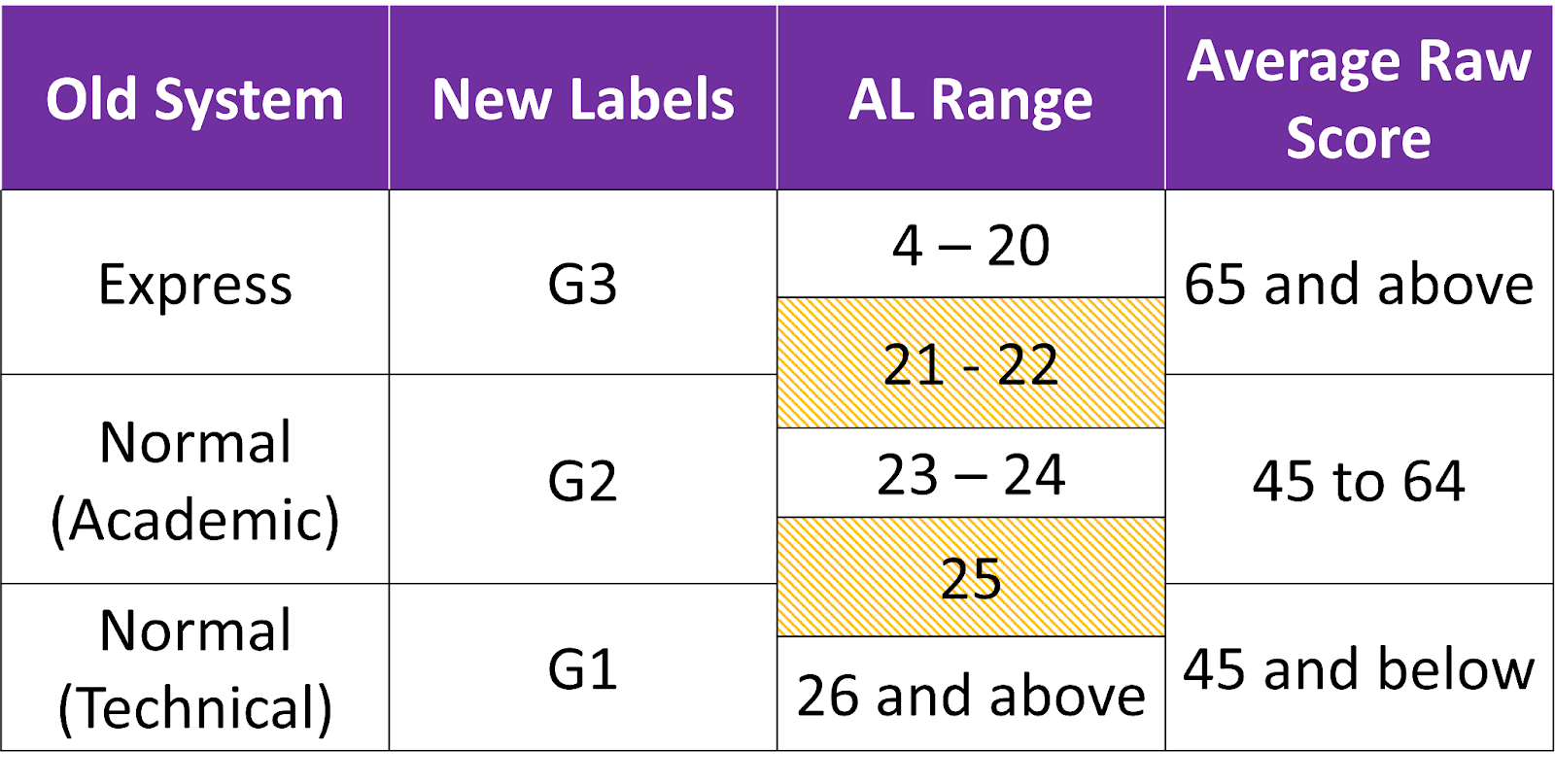
Full Subject-Based Banding is an innovative approach employed by the Singapore Ministry of Education (MOE) to better cater to students’ diverse abilities and learning styles. It replaces the traditional streaming system where students are classified into fixed academic tracks—Express, Normal (Academic), or Normal (Technical)—based on their Primary School Leaving Examination (PSLE) scores.

Instead, FSBB allows students to pursue subjects at different levels according to their competency in individual subjects. This flexible and customised learning approach helps students build on their strengths and interests while providing opportunities to enhance their skills in areas they may be weaker in.

Implementation of Full Subject-Based Banding in Schools

FSBB is intended to be rolled out in secondary schools across Singapore, with its full implementation scheduled for completion in 2024. The MOE has been piloting the programme in 28 secondary schools since 2018. Under FSBB, students can take a combination of subjects at different levels (G1, G2, and G3) based on their PSLE scores, competencies, and interests.

Upon completion of Secondary 2, students can then pick from a range of subjects based on their aptitude and aspirations, ensuring a personalised and meaningful educational experience. Furthermore, students will no longer be labelled or segregated by streaming, which can lead to negative self-esteem and hinder educational progress.

Benefits of Full Subject-Based Banding for Your Child

FSBB brings numerous benefits to a child’s learning journey, including:

  • Encouraging Strengths and Interests: With subject-based banding, children can focus on developing their strengths and interests in various subjects instead of being confined within the limitations of a fixed academic track.
  • Reducing Stigma: Removing streaming labels reduces the risk of negative stereotypes or stigmatisation, allowing students to explore their full academic potential without restraint.
  • Catering to Different Learning Needs: FSBB allows students to develop at their own pace through personalised learning experiences, ensuring their diverse learning needs are met, and they can enjoy a well-rounded education.
  • Promoting Lifelong Learning: By enabling students to craft individualised learning paths, FSBB encourages them to take a proactive role in their education, fostering an attitude of lifelong learning and adaptability.
  • Enhancing Collaboration: As students of varying abilities come together in the classroom, they can learn from each other, engage in collaboration, and appreciate the value of diversity.

Conclusion

Full Subject-Based Banding is a transformative approach in the Singapore education landscape that fosters a more inclusive, personalised learning experience for students. With its emphasis on catering to individual strengths, interests, and needs, FSBB offers a holistic approach to education that equips children with the knowledge and skills necessary for their future endeavours.

At I Love Learning, we recognise and respect each student’s unique learning needs and aspirations, offering comprehensive and engaging courses in English, math, science, and reading. As FSBB continues to reshape the education system in Singapore, parents and guardians can count on I Love Learning to provide effective and enjoyable learning experiences designed to enhance their child’s development and academic success. Unlock your child’s full potential by enrolling them in a premier education programme in Singapore today! 

5 Factors to Consider When Choosing a Secondary School

Choosing the right secondary school for your child is not only a time to look deeper into a milestone, but it is also a big responsibility. Today, there are now many options available for parents and their children, but it can still be challenging to determine which school is the best fit. 

Fortunately, with careful consideration of factors such as location, academic programs, co-curricular activities, and learning environment, you can find a school that will provide your child with a well-rounded education and set them up for success in the future. Read on to discover these five factors to consider when choosing a secondary school.

Consider the Location

One of the first factors to consider when choosing a secondary school is the location. The school should be located in a safe and accessible area. You should also consider the distance from your home or workplace, as this can impact your child’s daily commute. Additionally, if you plan to enrol your child in after-school programs or co-curricular activities, it is essential to choose a school that is conveniently located.

Consider the Academic Programs

Another critical factor to consider when choosing a secondary school is the academic programs offered. You should research the school’s curriculum and ensure that it aligns with your child’s interests and academic goals. Some schools may offer specialised programs in areas such as STEM, arts, or language immersion. It is also essential to consider the school’s academic performance, including graduation rates, college acceptance rates, and standardised test scores.

Consider the Co-curricular Activities

In addition to academic programs, co-curricular activities are also an important consideration when choosing a secondary school. These activities can provide your child with opportunities to explore their interests, develop new skills, and build relationships with their peers. Look for schools that offer a wide range of co-curricular activities, such as sports teams, clubs, and community service programs. It is also essential to consider the quality of these programs, including the level of coaching or mentorship provided.

Consider the Learning Environment

The learning environment is another critical factor to consider when choosing a secondary school. You should consider the school’s size, student-to-teacher ratio, and the overall culture of the school. A smaller school may provide a more personalised learning experience, while a larger school may offer more opportunities for diversity and a wider range of academic programs. You should also consider the school’s disciplinary policies, as well as the level of support provided for students who may need extra assistance.

Consider the School Resources

You should consider the resources available at the school. This includes the quality of the facilities, such as the classrooms, libraries, and laboratories. You should also consider the availability of technology and the level of support provided for students who may need assistance with technology-related tasks. Additionally, you should consider the level of support provided for students with special needs, including those with disabilities or who may require additional academic or emotional support.

Conclusion

Choosing the right secondary school for your child is a significant decision that requires careful consideration of many factors. By considering the school’s location, academic programs, co-curricular activities, learning environment, and resources, you can find a school that will provide your child with a well-rounded education and prepare them for success in the future. 

Remember, it is also essential to research each school carefully and to involve your child in the decision-making process to ensure that they feel comfortable and supported in their new school environment. With careful consideration and planning, you can help your child achieve their academic and personal goals and set them up for success in the future.

Are you looking into secondary education in Singapore? Give your child the gift of ILLAC Programmes and unlock their full potential today. With innovative learning for ages 2-16, our programmes will help develop key skills and enhance their love for learning. Join us now and watch your child thrive!

Achievement Levels: A Comprehensive Guide to PSLE Scoring

The Primary School Leaving Examination (PSLE) is a crucial assessment in Singapore. It serves as a benchmark for students to assess their academic strengths and weaknesses and identify areas requiring improvement. The PSLE is graded based on the Achievement Level (AL) system, which is a measure of how well a student performs in each subject. This article aims to provide a comprehensive guide to the PSLE scoring system and the different Achievement Levels.

Understanding the Achievement Levels

The Achievement Levels (ALs) are scoring bands that range from AL1 to AL8, with AL1 being the highest and AL8 being the lowest. Each AL represents a particular range of scores that a student can achieve in a subject. 

The AL scores are based on the student’s raw score. For example, a student who scores between 90 and 100 in a subject will achieve AL1, while a student who scores between 20 and 34 will achieve AL8. 

Scoring System and Calculation

The PSLE scoring system is based on the total aggregate score, which is the sum of the ALs achieved for each of the four subjects. The highest possible PSLE score is 4, and the lowest is 32. 

Interpreting the Achievement Levels

The Achievement Levels provide a measure of how well a student has performed in each subject. AL1 to AL3 are considered high levels of achievement, while AL4 to AL6 are considered average. AL7 to AL8 are considered low levels of achievement. 

Secondary schools use the ALs to determine the suitability of students for different academic streams. They accept students based on their total PSLE score and place them into G1, G2, or G3 classes. This is not a fixed level, students are able to take subjects at a more difficult level despite the academic stream they are allocated to.

Strategies for Achieving High Achievement Levels

To achieve high Achievement Levels in the PSLE, students need to understand the subject matter and develop strong study habits deeply. Students should aim to master the fundamental concepts in each subject, as well as the application of these concepts to different scenarios. Regular practice and revision are also crucial for PSLE preparation. Students should identify their areas of weakness and work on improving them through extra practice and consultation with their teachers. In addition, students should develop effective time-management skills to ensure that they can complete the examination within the allocated time. 

Conclusion

The Achievement Levels are an essential part of the PSLE scoring system in Singapore. They provide a measure of how well a student has performed in each subject relative to his or her peers and are used to determine the suitability of students for different academic streams. 

To achieve high Achievement Levels, students need to deeply understand the subject matter, develop strong study habits, and practice regularly. Parents and teachers should also provide support and guidance to help students achieve their potential. Understanding the PSLE scoring system and the different Achievement Levels is crucial for students and parents to make informed decisions regarding secondary school placement.

If you’re looking for effective PSLE preparation, look no further than ILLAC. Our experienced tutors and comprehensive curriculum will help your child excel on the PSLE and beyond. Contact us today to learn more and start your child’s journey to success.

Contact Us

enquiry@ilovelearning.com.sg
(65) 9711 8963
Jurong East Branch 2 Venture Drive #06-15 Vision Exchange Singapore 608526
Clementi Branch Blk 612 Clementi West St 1 #01-292 Singapore 120612
Woodlands Branch Blk 306 Woodlands St 31 #02-35
Singapore 730306

© 2025 – I Love Learning. All Rights Reserved. Website Design By Advergreen Digital