How to Choose the Right Primary School for Your Child

Selecting the right primary school for your child is a crucial decision, as it sets the foundation for their educational journey and significantly impacts their future growth and development. In Singapore, with its globally renowned education system, there are numerous primary schools with diverse programmes and learning environments. This abundance of options often makes the school decision-making process even more challenging for parents.

To help you navigate this vital decision, we have compiled a comprehensive guide on how to choose the right primary school for your child. We will go through crucial factors to consider, such as the school’s curriculum, location, culture, values, and overall learning environment. Additionally, we will highlight how I Love Learning Achievement Center (ILLAC), a premier tuition centre in Singapore, can support your child’s academic pursuits, ensuring a smooth and enjoyable learning journey.

ILLAC offers courses in various subjects for children aged 2-16, including English, maths, science, and reading. By creating a fun and stress-free learning environment, we aim to complement your child’s primary school education and aid in their personal and academic growth. With our unique approach to teaching, we focus on providing a factual, informative, and engaging experience to deliver the best user experience for both parents and children.

In the upcoming sections of this article, you will gain insights into the essential considerations and steps when choosing a primary school for your child and learn how ILLAC operates hand-in-hand with parents to ensure a well-rounded, enriching education for students in Singapore. So, put your worries aside and take the first step towards making an informed decision that will benefit your child in the long run.

1. Assessing the School’s Curriculum and Pedagogy

One critical aspect to consider when choosing a primary school is the curriculum offered and the pedagogical approach adopted by the institution. Although the core subjects—English, maths, science, and mother tongue language—are mandatory in all primary schools in Singapore, each school may have a unique method of delivering the curriculum that caters to different learning styles and needs.

For example, some schools may have a focus on experiential and inquiry-based learning, while others could emphasise a traditional approach to teaching. You may also want to consider schools that offer specialised programmes, such as bi-cultural programmes or those based on the International Baccalaureate (IB) Primary Years Programme (PYP).

It is essential to carefully review the school’s curriculum and teaching methods, as these factors can significantly impact how well your child adapts to the learning environment, and ultimately, their academic success.

2. Evaluating the School’s Location and Accessibility

The location of the primary school plays a crucial role in the overall experience and convenience for your family. Parents often prioritise proximity when selecting a school, as it makes daily drop-offs and pick-ups more manageable, reduces transportation costs, and provides a sense of community with nearby families.

When evaluating the school’s location, you should also consider accessibility via public transport, traffic conditions during peak hours, and the availability of school bus services. Choosing a school that is easily accessible will ensure that your child can reach school safely and punctually, while also easing the logistical challenges for parents.

3. Understanding the School’s Culture and Values

The school’s culture and values are central to fostering a nurturing and inclusive learning environment that aligns with your child’s interests, aptitude, and personality. It is vital to consider factors like the school’s focus on holistic development, emphasis on co-curricular activities (CCAs), and approach to building character and imparting values to students.

To gain a better understanding of the school’s culture and values, consider attending open houses, speaking with current parents, and reviewing online resources like the school website and social media channels. These platforms provide valuable insights into the school community and can help you make a more informed decision that aligns with your child’s educational and personal aspirations.

4. Analyzing the School’s Support System and Facilities

A comprehensive support system is critical to ensure the success and well-being of students in the primary school years. Consider factors like the school’s strategies for addressing student well-being, special needs support, and pastoral care available on campus.

Additionally, evaluate the facilities available at the school, such as classrooms, libraries, sporting facilities, and technology resources, as these can significantly enhance your child’s learning experience. State-of-the-art facilities and resources, coupled with comprehensive support systems, can contribute to a more engaging and supportive learning environment for your child.

Conclusion

Choosing the right primary school for your child entails a careful evaluation of the institution’s curriculum, location, culture, and facilities, among other factors. A well-rounded education that caters to your child’s unique needs and interests ensures that they receive the best foundation for their academic and personal growth.

At ILLAC, we offer education programmes that can help your child learn better and faster. We recognise and appreciate the vital role primary schools play in nurturing young minds, and we are committed to complementing your child’s education by providing engaging and comprehensive tuition courses in English, maths, science, and reading. With our in-depth knowledge of the Singapore education system and our passion for creating a fun, stress-free learning environment, we strive to support your child in their academic journey and foster a love for learning that will last a lifetime.
Navigating the Maze of Secondary School Rankings in Singapore: A Guide

Singapore is known globally for its top-notch education system and emphasis on student achievement. With numerous secondary schools providing a rigorous curriculum and a myriad of academic and extracurricular opportunities, it can be challenging for parents and students to decide which school is the right fit. Secondary school rankings play an important role in this decision-making process, as they offer valuable insights into the performance of various institutions across the nation. This article aims to dive deep into the relevance of secondary school rankings, the factors that contribute to these rankings, and how ILLAC supports your child’s academic journey as they navigate through secondary education.

ILLAC is a prestigious tuition centre in Singapore, offering a stress-free and enjoyable learning environment for children aged 2-16. With courses in English, maths, science, and reading, we strive to help students enhance their academic performance and fulfil their potential.

1. The Relevance of Secondary School Rankings

Secondary school rankings offer parents and students a comprehensive overview of the academic performance and opportunities provided by various institutions in Singapore. While these rankings should not be the sole determinant factor when choosing a secondary school, they do serve as a crucial reference point, offering valuable information that can aid in making informed decisions.

It is important to remember that each child’s learning needs and preferences are unique; what may be a highly ranked school for one student may not necessarily be the best fit for another. Secondary school rankings should be considered in conjunction with other factors, like teaching methodologies, school culture, and extracurricular opportunities, to ensure that the chosen school aligns with a child’s overall development.

2. Factors Contributing to Secondary School Rankings

Secondary school rankings in Singapore are often shaped by various factors that contribute to the overall success and reputation of a particular institution. Some of the key factors are:

a. Academic Performance: This includes average PSLE scores, O-Level results, and achievements in national examinations like the A-Level.

b. Direct School Admission (DSA): Many secondary schools offer DSA, which allows students to gain admission based on their talents and achievements in specific areas like sports, arts, or leadership.

c. Co-Curricular Activities (CCAs): A school’s CCAs and extracurricular programmes play a vital role in shaping a child’s holistic development and can impact school rankings, as they reflect the diverse opportunities available to students.

d. Value-Added Measures: The Ministry of Education (MOE) employs value-added measures to assess how much a school has contributed to the academic progress of their students, regardless of their initial entrance scores.

e. Alumni and Affiliations: A school with a strong alumni network and prestigious affiliations often adds to its reputation and ranking.

3. ILLAC’s Role in Supporting Your Child’s Academic Journey

As your child navigates through the secondary school landscape, it is essential to ensure that they receive tailored support and guidance in their academic pursuits. ILLAC strives to complement your child’s secondary education, offering structured and engaging courses in English, maths, science, and reading.

Our approach at ILLAC includes:

a. Personalised Learning: Understanding that every child’s academic needs are unique, we provide personalised learning experiences that cater to their individual pace, interests, and strengths.

b. Experienced Tutors: Our dedicated team of well-qualified educators strive to impart knowledge, skills, and passion for learning to our students.

c. Comprehensive Support: As students navigate through the Singapore secondary school system, ILLAC provides academic guidance and support beyond the classroom, ensuring an enriching and enjoyable learning journey.

Conclusion

While secondary school rankings offer valuable insights into academic performance and institutional reputation in Singapore, they should not be the only consideration when determining the best school for your child. Factors like individual learning needs, teaching methodologies, and extracurricular activities should also play a significant part in the selection process.

At ILLAC, we pride ourselves on providing a supportive and enjoyable learning environment that complements your child’s secondary education through our enrichment classes in Singapore. As your child transitions through the secondary school landscape, you can trust ILLAC to provide tailored academic support, empowering them to achieve their full potential and excel in their educational journey.

What Is Full Subject-Based Banding?: What You Need to Know

The Singapore education system is known globally for its emphasis on academic excellence and its commitment to equipping students for success in an ever-evolving world. One important and relatively recent change to the system is the introduction of Full Subject-based Banding (FSBB). In this article, we will discuss the concept of FSBB, how it is implemented in schools, and the benefits it brings to your child’s learning journey.

I Love Learning, a premier tuition centre in Singapore, aims to provide excellent and stress-free learning experiences for children aged two to 16, offering courses in English, math, science, and reading. By gaining insights into FSBB, parents and guardians can make more informed decisions about their child’s education and academic needs.

The Concept of Full Subject-Based Banding

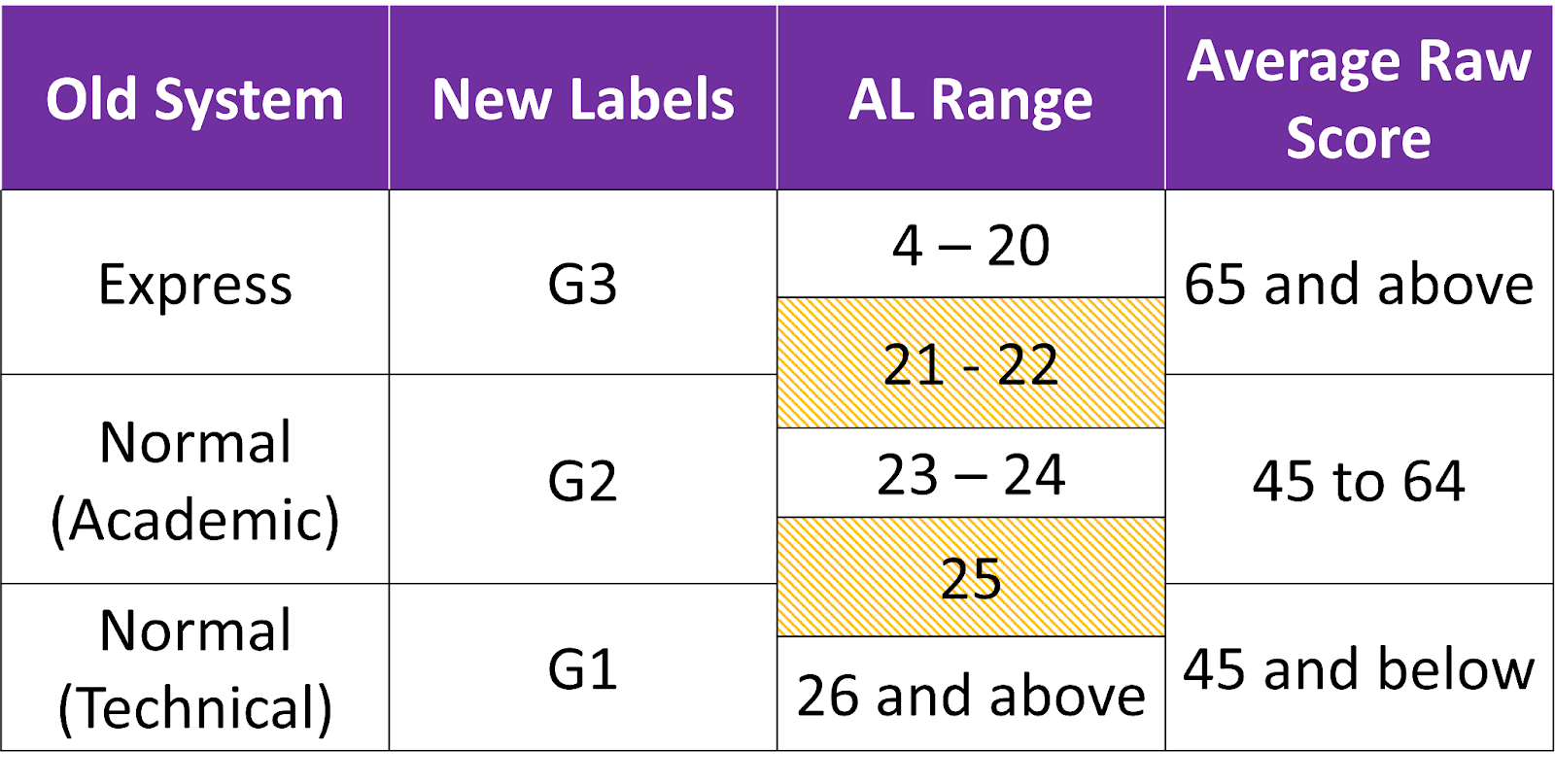
Full Subject-Based Banding is an innovative approach employed by the Singapore Ministry of Education (MOE) to better cater to students’ diverse abilities and learning styles. It replaces the traditional streaming system where students are classified into fixed academic tracks—Express, Normal (Academic), or Normal (Technical)—based on their Primary School Leaving Examination (PSLE) scores.

Instead, FSBB allows students to pursue subjects at different levels according to their competency in individual subjects. This flexible and customised learning approach helps students build on their strengths and interests while providing opportunities to enhance their skills in areas they may be weaker in.

Implementation of Full Subject-Based Banding in Schools

FSBB is intended to be rolled out in secondary schools across Singapore, with its full implementation scheduled for completion in 2024. The MOE has been piloting the programme in 28 secondary schools since 2018. Under FSBB, students can take a combination of subjects at different levels (G1, G2, and G3) based on their PSLE scores, competencies, and interests.

Upon completion of Secondary 2, students can then pick from a range of subjects based on their aptitude and aspirations, ensuring a personalised and meaningful educational experience. Furthermore, students will no longer be labelled or segregated by streaming, which can lead to negative self-esteem and hinder educational progress.

Benefits of Full Subject-Based Banding for Your Child

FSBB brings numerous benefits to a child’s learning journey, including:

  • Encouraging Strengths and Interests: With subject-based banding, children can focus on developing their strengths and interests in various subjects instead of being confined within the limitations of a fixed academic track.
  • Reducing Stigma: Removing streaming labels reduces the risk of negative stereotypes or stigmatisation, allowing students to explore their full academic potential without restraint.
  • Catering to Different Learning Needs: FSBB allows students to develop at their own pace through personalised learning experiences, ensuring their diverse learning needs are met, and they can enjoy a well-rounded education.
  • Promoting Lifelong Learning: By enabling students to craft individualised learning paths, FSBB encourages them to take a proactive role in their education, fostering an attitude of lifelong learning and adaptability.
  • Enhancing Collaboration: As students of varying abilities come together in the classroom, they can learn from each other, engage in collaboration, and appreciate the value of diversity.

Conclusion

Full Subject-Based Banding is a transformative approach in the Singapore education landscape that fosters a more inclusive, personalised learning experience for students. With its emphasis on catering to individual strengths, interests, and needs, FSBB offers a holistic approach to education that equips children with the knowledge and skills necessary for their future endeavours.

At I Love Learning, we recognise and respect each student’s unique learning needs and aspirations, offering comprehensive and engaging courses in English, math, science, and reading. As FSBB continues to reshape the education system in Singapore, parents and guardians can count on I Love Learning to provide effective and enjoyable learning experiences designed to enhance their child’s development and academic success. Unlock your child’s full potential by enrolling them in a premier education programme in Singapore today! 

5 Factors to Consider When Choosing a Secondary School

Choosing the right secondary school for your child is not only a time to look deeper into a milestone, but it is also a big responsibility. Today, there are now many options available for parents and their children, but it can still be challenging to determine which school is the best fit. 

Fortunately, with careful consideration of factors such as location, academic programs, co-curricular activities, and learning environment, you can find a school that will provide your child with a well-rounded education and set them up for success in the future. Read on to discover these five factors to consider when choosing a secondary school.

Consider the Location

One of the first factors to consider when choosing a secondary school is the location. The school should be located in a safe and accessible area. You should also consider the distance from your home or workplace, as this can impact your child’s daily commute. Additionally, if you plan to enrol your child in after-school programs or co-curricular activities, it is essential to choose a school that is conveniently located.

Consider the Academic Programs

Another critical factor to consider when choosing a secondary school is the academic programs offered. You should research the school’s curriculum and ensure that it aligns with your child’s interests and academic goals. Some schools may offer specialised programs in areas such as STEM, arts, or language immersion. It is also essential to consider the school’s academic performance, including graduation rates, college acceptance rates, and standardised test scores.

Consider the Co-curricular Activities

In addition to academic programs, co-curricular activities are also an important consideration when choosing a secondary school. These activities can provide your child with opportunities to explore their interests, develop new skills, and build relationships with their peers. Look for schools that offer a wide range of co-curricular activities, such as sports teams, clubs, and community service programs. It is also essential to consider the quality of these programs, including the level of coaching or mentorship provided.

Consider the Learning Environment

The learning environment is another critical factor to consider when choosing a secondary school. You should consider the school’s size, student-to-teacher ratio, and the overall culture of the school. A smaller school may provide a more personalised learning experience, while a larger school may offer more opportunities for diversity and a wider range of academic programs. You should also consider the school’s disciplinary policies, as well as the level of support provided for students who may need extra assistance.

Consider the School Resources

You should consider the resources available at the school. This includes the quality of the facilities, such as the classrooms, libraries, and laboratories. You should also consider the availability of technology and the level of support provided for students who may need assistance with technology-related tasks. Additionally, you should consider the level of support provided for students with special needs, including those with disabilities or who may require additional academic or emotional support.

Conclusion

Choosing the right secondary school for your child is a significant decision that requires careful consideration of many factors. By considering the school’s location, academic programs, co-curricular activities, learning environment, and resources, you can find a school that will provide your child with a well-rounded education and prepare them for success in the future. 

Remember, it is also essential to research each school carefully and to involve your child in the decision-making process to ensure that they feel comfortable and supported in their new school environment. With careful consideration and planning, you can help your child achieve their academic and personal goals and set them up for success in the future.

Are you looking into secondary education in Singapore? Give your child the gift of ILLAC Programmes and unlock their full potential today. With innovative learning for ages 2-16, our programmes will help develop key skills and enhance their love for learning. Join us now and watch your child thrive!

Achievement Levels: A Comprehensive Guide to PSLE Scoring

The Primary School Leaving Examination (PSLE) is a crucial assessment in Singapore. It serves as a benchmark for students to assess their academic strengths and weaknesses and identify areas requiring improvement. The PSLE is graded based on the Achievement Level (AL) system, which is a measure of how well a student performs in each subject. This article aims to provide a comprehensive guide to the PSLE scoring system and the different Achievement Levels.

Understanding the Achievement Levels

The Achievement Levels (ALs) are scoring bands that range from AL1 to AL8, with AL1 being the highest and AL8 being the lowest. Each AL represents a particular range of scores that a student can achieve in a subject. 

The AL scores are based on the student’s raw score. For example, a student who scores between 90 and 100 in a subject will achieve AL1, while a student who scores between 20 and 34 will achieve AL8. 

Scoring System and Calculation

The PSLE scoring system is based on the total aggregate score, which is the sum of the ALs achieved for each of the four subjects. The highest possible PSLE score is 4, and the lowest is 32. 

Interpreting the Achievement Levels

The Achievement Levels provide a measure of how well a student has performed in each subject. AL1 to AL3 are considered high levels of achievement, while AL4 to AL6 are considered average. AL7 to AL8 are considered low levels of achievement. 

Secondary schools use the ALs to determine the suitability of students for different academic streams. They accept students based on their total PSLE score and place them into G1, G2, or G3 classes. This is not a fixed level, students are able to take subjects at a more difficult level despite the academic stream they are allocated to.

Strategies for Achieving High Achievement Levels

To achieve high Achievement Levels in the PSLE, students need to understand the subject matter and develop strong study habits deeply. Students should aim to master the fundamental concepts in each subject, as well as the application of these concepts to different scenarios. Regular practice and revision are also crucial for PSLE preparation. Students should identify their areas of weakness and work on improving them through extra practice and consultation with their teachers. In addition, students should develop effective time-management skills to ensure that they can complete the examination within the allocated time. 

Conclusion

The Achievement Levels are an essential part of the PSLE scoring system in Singapore. They provide a measure of how well a student has performed in each subject relative to his or her peers and are used to determine the suitability of students for different academic streams. 

To achieve high Achievement Levels, students need to deeply understand the subject matter, develop strong study habits, and practice regularly. Parents and teachers should also provide support and guidance to help students achieve their potential. Understanding the PSLE scoring system and the different Achievement Levels is crucial for students and parents to make informed decisions regarding secondary school placement.

If you’re looking for effective PSLE preparation, look no further than ILLAC. Our experienced tutors and comprehensive curriculum will help your child excel on the PSLE and beyond. Contact us today to learn more and start your child’s journey to success.

The Ultimate Guide to Direct School Admission in Singapore

Direct School Admission (DSA) is a program introduced by the Ministry of Education (MOE) in Singapore to enable students to secure admission to secondary schools based on their talents and achievements. It is an excellent opportunity for students to showcase their skills and interests beyond academic grades. In this article, we will guide you through everything you need to know about the DSA.

What Is Direct School Admission?

Direct School Admission is a program that allows primary six students to apply for admission to secondary schools based on their achievements and talents in various fields such as sports, performing arts, leadership, and academic excellence. It is an alternative pathway to gain entry into a secondary school of their choice.

Who Is Eligible for DSA?

All primary six students are eligible to apply for DSA. They must have a genuine interest and talent in one or more of the following areas: sports, performing arts, leadership, and academic excellence. Students must also meet the eligibility criteria set by the participating schools.

How Does DSA Work?

The DSA process varies from school to school. Typically, schools will release their DSA application forms on their websites or through their affiliated primary schools. Students must fill in the application form and submit it to the school they are interested in. They can apply to multiple schools but can only accept one offer. 

After the submission deadline, schools will shortlist candidates based on their achievements and talents. Shortlisted candidates will be invited for an interview, audition, or test. The selection process may take several rounds, depending on the school. The final selection will be based on a combination of factors such as academic performance, achievements, talents, and potential.

What Are the Benefits of DSA?

DSA offers several benefits to students. Firstly, it allows students to showcase their talents and interests beyond academic grades. It also allows students to secure a place in a school of their choice, which may not be possible through the Primary School Leaving Examination (PSLE) scoring system. Moreover, DSA students are exempted from taking the Secondary One Posting Exercise, which is stressful for many students.

What Are the Different Areas of DSA?

DSA covers many areas, including sports, performing arts, leadership, and academic excellence. Students can apply for one or more areas, depending on their interests and talents. Here’s a brief overview of each area:

  • Sports: Students who excel in sports such as football, basketball, swimming, and track and field can apply for DSA under this category. They must have participated in national-level competitions and strongly committed to sports.
  • Performing Arts: Students with a talent in performing arts such as music, dance, drama, and theatre can apply for DSA under this category. They must have participated in regional or national-level competitions and have excellent performance skills.
  • Leadership: Students who possess leadership qualities such as communication, problem-solving, and team-building skills can apply for DSA under this category. They must have demonstrated leadership roles in school or community activities.
  • Academic Excellence: Students who perform well academically can apply for DSA under this category. They must have achieved outstanding results in their primary school examinations and have a passion for learning.

Conclusion

The Direct School Admission program is an excellent opportunity for primary six students to showcase their talents and interests beyond academic grades. It provides an alternative pathway to gain entry into a secondary school of their choice and exempts them from taking the stressful Secondary One Posting Exercise. 

By understanding the DSA process and the different areas, students can make an informed decision and increase their chances of success. So, if you have a talent or interest in sports, performing arts, leadership, or academic excellence, don’t hesitate to apply for DSA and take the first step towards a successful future.

Unlock your child’s full potential by enrolling them in a gifted education programme in Singapore, the best first step to their journey toward Direct School Admission (DSA)! We are an enrichment centre dedicated to fostering a passion for education in our students, helping them to see learning as an exciting and motivating journey. Get in touch with us today to get started!

What is Direct School Admission (DSA): A Comprehensive Guide

Direct School Admission (DSA) is a unique initiative in Singapore’s education landscape, allowing students with exceptional talents to gain direct entry into secondary schools without taking the Primary School Leaving Examination (PSLE) examinations. 

This comprehensive guide will help you understand the ins and outs of DSA, the application process, and how it can benefit your child’s education journey in Singapore.

What is Direct School Admission (DSA)

DSA was introduced in 2004 by the Ministry of Education (MOE) to provide a more diverse and holistic education system in Singapore. It offers an alternative pathway for students with strong abilities in specific areas, such as sports, arts, or academics, to gain direct entry into secondary schools, bypassing the traditional entrance exams.

The aim of DSA is to nurture and develop these talents by providing them with the necessary support and resources in their chosen fields. It allows students to join schools that offer a wide range of programmes, including the Integrated Programmes (IP), where they can flourish and excel in their areas of interest.

Benefits of Direct School Admission

There are many benefits of direct school admission. These include:

1. Early Admission: The most significant advantage of the DSA is the early admission it offers to students. Successful applicants secure a place in their desired school even before the release of their PSLE results. This can help to ease the pressure on students during their examination period, as they have already secured a place in their chosen school.

2. Diverse Educational Pathways: DSA provides students with an avenue to showcase their strengths and talents in non-academic areas, such as sports, arts, and leadership, which may not be adequately reflected in their academic grades. This allows them to pursue their passions and develop holistically, as they can choose schools offering specialised programmes in their areas of interest.

3. Access to Schools with Integrated Programme (IP): Another benefit of the DSA is that it provides students with the opportunity to gain admission into schools with IP, which offer a more challenging and enriched curriculum designed to cater to the needs of intellectually gifted students.

4. Exposure to Enrichment Classes and Centres: Students who are part of the DSA programme often have access to various enrichment classes and centres, which provide additional learning opportunities and support to help them excel in their chosen domain.

Applying for Direct School Admission

The DSA application process typically begins in May and ends in November. Students can apply for admission to a maximum of three schools, with each school having its own set of requirements and selection criteria. The application process involves the following steps:

1. Research and Shortlist Schools: Before applying, students should research the schools they are interested in and shortlist the ones that best match their talents and interests. They should consider the school’s culture, programmes, facilities, and track record in the desired domain. Attending the school’s open houses will definitely help.

2. Prepare Application Documents: Students must prepare a portfolio showcasing their achievements, talents, and involvement in various activities. This may include certificates, awards, testimonials, and any other relevant documents that showcase their aptitude in their chosen domain for submission to the Portal during registration period.

3. Submit Online Application: Applications can be submitted online through the DSA-Sec Portal. The application form, along with the required documents, must be submitted by the stipulated deadline (usually within May itself).

4. Attend Selection Trials or Auditions: Once the application is submitted, students may be shortlisted for selection trials, auditions, or interviews, depending on the school’s requirements (during the period of May to July). These trials and auditions are designed to assess the students’ abilities and aptitude in their chosen domain.

5. Receive Offer and Acceptance: Successful applicants will receive an offer from the school, which they must accept or reject within the stipulated timeline. Once an offer is accepted, the student’s place in that school is confirmed, and they cannot participate in the Secondary 1 Posting Exercise ie. They CANNOT change their mind even after they have received their PSLE results since they are not allowed to participate in the Secondary 1 Posting Exercise.

Conclusion

DSA is an excellent opportunity for students to pursue their passions, develop holistically, and excel in their chosen domains. It provides a more diverse and holistic education system in Singapore and allows students to join schools that offer a wide range of programmes, including the Integrated Programmes. With the right preparation and approach, DSA can benefit your child’s education journey in Singapore.

Are you looking for enrichment classes in Singapore? Then look no further than ILLAC! We offer innovative learning solutions for kids aged 2 to 16 that can help develop key skills and enhance their love for learning. Don’t miss out on the opportunity to provide your child with an exceptional education experience. Enrol them at ILLAC today to learn more about how we can help your child succeed!

Key Strategies That Develop Reading Comprehension Skills In Kids

Reading comprehension skills are crucial for children’s academic success and overall development. As children progress through their school years, their reading skills will be tested in various subjects, from science and history to literature and language arts. However, some children may struggle with reading comprehension, which can affect their performance in school and their confidence as learners. 

Fortunately, there are several effective strategies that parents and educators can use to help children develop their reading comprehension skills. In this article, we will explore some of these strategies and provide tips on how to implement them.

1 – Start with Phonics and Vocabulary

Before children can fully comprehend what they are reading, they need to have a strong foundation in phonics and vocabulary. Phonics involves learning the sounds that letters make and how to blend those sounds together to form words. Vocabulary refers to the words that children know and understand. If children do not have a solid grasp of these two areas, they will struggle with reading comprehension.

Parents and educators can help children develop their phonics and vocabulary skills by using interactive and engaging activities. For example, parents can read aloud to their children and point out the different sounds that letters make. They can also play word games and use flashcards to help children learn new words.

2 – Encourage Active Reading

Active reading means engaging with the text while reading. Children who actively read are more likely to understand what they are reading and retain the information. Active reading strategies include asking questions, making predictions, and summarizing what has been read.

Teachers can encourage active reading by modelling these strategies and asking children to do the same. For example, parents can ask their children questions about the text they are reading, such as, “What do you think will happen next?” or “What was the main idea of that paragraph?” Educators can also use graphic organizers to help children summarize what they have read.

3 – Use Visual Aids

Visual aids can help children better understand the text they are reading. For example, illustrations, diagrams, and charts can provide a visual representation of the information in the text. Visual aids can also help children make connections between different concepts and ideas.

Children can be encouraged to use visual aids by showing children pictures or diagrams that relate to the text they are reading. They can also use graphic organizers, such as Venn diagrams or mind maps, to help children organize their thoughts and ideas.

4 – Build Background Knowledge

Children who have background knowledge about a topic are more likely to understand what they are reading. Building background knowledge involves providing children with information about a topic before they start reading about it. This can help children make connections between what they already know and what they are reading.

Parents and educators can build background knowledge by introducing children to the topic before they start reading. For example, parents can take their children on a field trip or watch a documentary about the topic. Educators can also use mini-lessons to provide background knowledge before students start reading.

5 – Practice, Practice, Practice

Like any skill, reading comprehension takes practice. Children need to read regularly and be encouraged to read a variety of texts. They also need to be given opportunities to practice their reading comprehension skills.

Children can practice their reading comprehension skills by providing them with reading materials and asking them questions about what they have read. They can also use reading comprehension worksheets or online resources to provide children with additional practice.

Conclusion

Reading comprehension skills are crucial for children’s academic success and overall development. Parents and educators can help children develop their reading comprehension skills by starting with phonics and vocabulary, encouraging active reading, using visual aids, building background knowledge, and providing opportunities for practice. By implementing these strategies, children can become confident and successful readers.

If you are looking for enrichment centres in Singapore, contact IILAC. We offer innovative learning for ages 2-16. Unlock your child’s full potential with ILLAC Programmes today!

A Comprehensive Overview of the Gifted Education Programme

The Gifted Education Programme (GEP) is a specialised program designed to cater to the needs of exceptionally talented students. It offers a challenging curriculum tailored to their abilities and provides opportunities for intellectual growth. The GEP is available at various levels of education, including primary, secondary, and tertiary levels. This article provides insight into what parents need to know about the GEP.

What is the Gifted Education Programme?

The GEP is an instructional program designed to meet exceptionally talented students’ academic, social, and emotional needs. It aims to challenge these students to reach their potential and foster a love of learning. The curriculum is designed to promote critical thinking, problem-solving, and creativity. Students are given opportunities to interact with like-minded peers and participate in extracurricular activities that align with their interests.

Assessment and Identification

The assessment and identification process for the GEP is rigorous and competitive. Students are identified through tests, teacher recommendations, and portfolio reviews. The tests used for identification may include IQ tests, achievement tests, and creativity tests. Teacher recommendations are also an essential component of the identification process. Teachers observe and evaluate students’ abilities in the classroom and provide recommendations for the GEP.

Benefits of the Gifted Education Programme

1. Challenging Curriculum

The Gifted Education Programme (GEP) provides a challenging curriculum tailored to exceptionally talented students’ abilities. This curriculum promotes critical thinking, problem-solving, and creativity, encouraging students to reach their full potential.

2. Intellectual Growth

It provides opportunities for intellectual growth through advanced coursework and extracurricular activities. This intellectual stimulation fosters a love of learning and helps students to develop a deeper understanding of their interests.

3. Social and Emotional Development

The GEP provides a community of like-minded peers with similar interests and abilities. This community fosters collaboration, communication, and teamwork skills. Additionally, the GEP provides students with a safe and supportive environment where they can be themselves and pursue their passions without fear of judgment.

How to Support Your Child in the Gifted Education Programme

Parents can play a critical role in supporting their children in the GEP. It is essential to keep open communication with your child and their teachers to ensure they receive the support they need. Parents can also help their children manage their workload by setting realistic expectations and providing them with strategies to manage their time effectively. It is also important to encourage your child to pursue their interests and hobbies outside of school to help them maintain a healthy work-life balance. Finally, it is crucial to provide emotional support to your child and help them develop coping skills to manage the challenges of being in the GEP.

Conclusion

The Gifted Education Programme offers exceptional students a challenging curriculum tailored to their abilities. It provides numerous benefits, including academic, social, and emotional advantages. Parents can play a critical role in supporting their children in the GEP by communicating openly, managing their workload, encouraging their interests, and providing emotional support. With the right support, gifted students can thrive academically, socially, and emotionally in the GEP.

If you’re looking for a GEP preparation class in Singapore, consider ILLAC. Our experienced teachers provide students with the skills and knowledge they need to excel in the GEP. Contact us today to learn more and enrol your child in our program. Arrange for a free trial class today!

Unlocking the Potential of Enrichment Classes on Young Minds

Parents constantly strive to give their children the best possible opportunities to succeed. Many recognise that well-rounded education is a critical factor in their child’s development, and investing in enrichment classes is an excellent way to supplement their school education. 

This training provides children with additional learning opportunities outside their regular school curriculum. These classes cater to various interests, including academic subjects, creative arts, sports, and more.

These classes offer numerous benefits to your child’s overall development, helping them cultivate essential life skills, increase self-confidence, and foster a love for learning. 

In this post, we will delve into the numerous advantages of enrolling your child in such programs, highlighting their essential role in nurturing well-rounded, confident, and successful individuals.

Enrichment Classes Cultivate Essential Life Skills

One of its main benefits is the opportunity for children to develop essential life skills that will serve them well into adulthood. Here are some life skills that can be nurtured through these programs:

  • Time Management

Enrolling in this class requires children to balance their schedules, as they must allocate time for school, homework, extracurricular activities, and family time. It teaches them the importance of prioritising tasks, setting goals, and managing their time effectively.

  • Social Skills

Enrichment programs allow children to interact with peers who share similar interests. This social environment encourages them to develop communication, teamwork, and problem-solving skills, as they collaborate on projects, discuss ideas, and engage in group activities.

  • Adaptability

By exposing children to various learning experiences, enrichment classes help them become more adaptable and open to new experiences. They learn to embrace challenges, adapt to new environments, and develop resilience in the face of obstacles.

Enhancing Academic Performance

Enrichment programs often focus on specific academic subjects, allowing children to delve deeper into areas of interest or improve their performance in subjects they may find challenging. These classes offer personalised instruction tailored to the child’s learning style and pace. 

This individualised approach can lead to increased understanding, improved academic performance, and, ultimately, tremendous success in school. Furthermore, these classes can help children develop critical thinking and problem-solving skills by encouraging them to think outside the box, analyse complex situations, and apply innovative knowledge.

Boosting Self-Confidence

Participating in enrichment classes can significantly impact a child’s self-confidence. Children gain a sense of accomplishment and self-assurance by mastering new skills and overcoming challenges. This confidence can spill over into other aspects of their lives, including academic performance, social interactions, and willingness to take on new challenges.

In addition, these classes can help children discover their passions, leading to a stronger sense of identity and purpose. When children are passionate about an activity, they are more likely to invest time and effort into improving their skills, further boosting their self-confidence.

Fostering a Love for Learning

Enrichment programs allow children to explore new subjects and engage in hands-on learning experiences outside of a traditional classroom setting. It can spark an interest in learning as children discover topics that captivate and inspire them.

Moreover, its interactive nature encourages children to participate in their learning actively. This sense of ownership and engagement can instil a life-long love for learning, setting them up for continued success throughout their academic and professional careers.

Conclusion

Investing in enrichment classes is wise for parents who want to provide their children with the tools and opportunities to succeed in life. These classes offer numerous benefits, including developing essential life skills, enhanced academic performance, increased self-confidence, and a love for learning. 

By nurturing well-rounded individuals passionate about education, these programs are a powerful means of unlocking the full potential of young minds.

Are you looking for a fun and engaging way to help your child learn and grow? Look no further than ILLAC! Our innovative learning platform offers a wide range of courses and enrichment classes in Singapore. 

With our expertly crafted curriculum and interactive lessons, your child can develop critical skills and knowledge in a fun and engaging way. Sign up for ILLAC today and watch your child’s love of learning soar!

Contact Us

enquiry@ilovelearning.com.sg
(65) 9711 8963
Jurong East Branch 2 Venture Drive #06-15 Vision Exchange Singapore 608526
Clementi Branch Blk 612 Clementi West St 1 #01-292 Singapore 120612
Woodlands Branch Blk 306 Woodlands St 31 #02-35
Singapore 730306

© 2025 – I Love Learning. All Rights Reserved. Website Design By Advergreen Digital